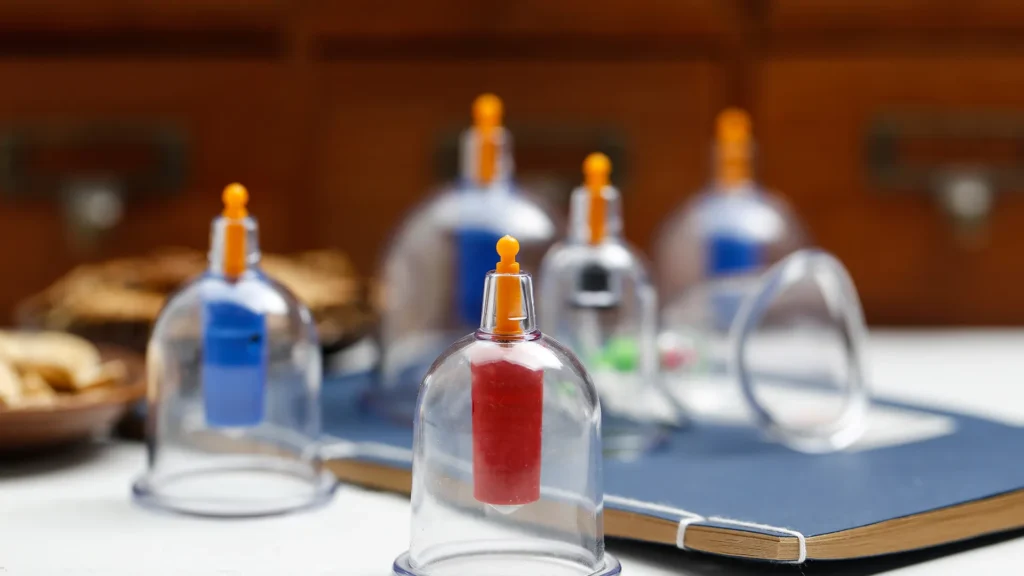
Wet cupping therapy has been practised for millennia. Also known as Hijama, this traditional healing method remains popular. Understanding the process helps you decide if it’s right.
This guide explores wet cupping therapy comprehensively. Learn about Hijama’s history, therapeutic benefits, and detailed process.
What Is Wet Cupping Therapy?
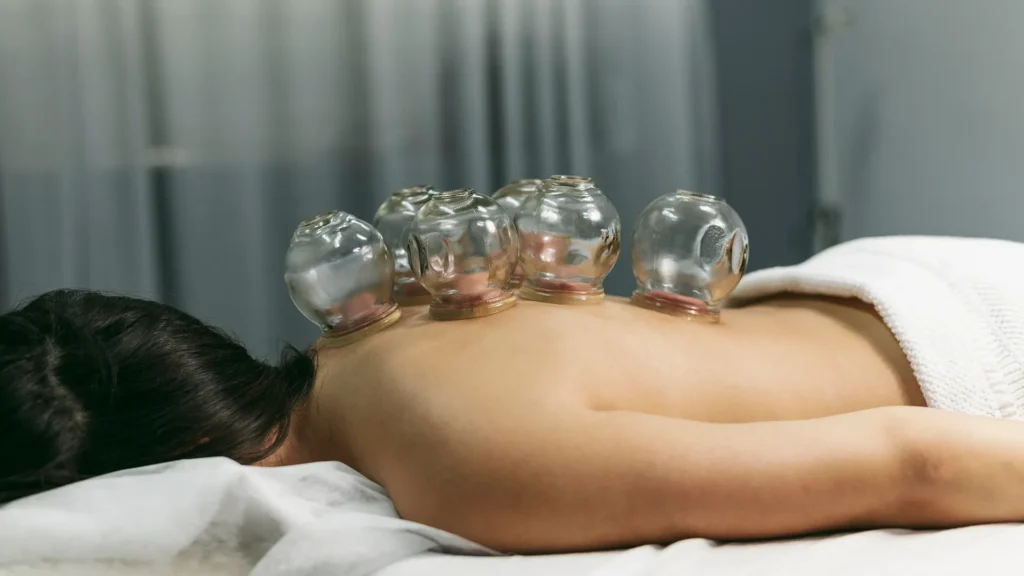
Wet cupping therapy combines suction with controlled bloodletting. Small incisions are made on the skin before applying cups. This allows the removal of small amounts of blood.
Hijama is the Arabic term for wet cupping. The word means “sucking” in Arabic. Islamic tradition particularly values this healing practice.
The Ancient Practice of Hijama
Hijama dates back over 3,000 years. Ancient Egyptian, Chinese, and Middle Eastern cultures practised it. The Prophet Muhammad recommended Hijama in Islamic tradition.
Historical medical texts describe wet cupping extensively. Greek physician Hippocrates documented its uses. Traditional Chinese Medicine incorporated it for energy balance.
How Wet Cupping Differs From Dry Cupping
Wet cupping therapy involves making small superficial cuts. Dry cupping uses only suction without incisions. The bloodletting component makes Hijama more invasive.
Practitioners believe wet cupping removes toxins more effectively. The technique targets stagnant blood specifically. Many find it more powerful than dry methods.
The Science Behind Hijama
Modern research examines wet cupping therapy’s mechanisms. Several physiological processes occur during treatment. Scientific studies reveal promising therapeutic effects.
Blood Detoxification Theory
Hijama practitioners believe it removes toxic blood. Research shows that extracted blood contains higher toxin levels. The body may compensate by producing fresh blood.
Immune System and Pain Relief
Wet cupping therapy triggers immune responses. Studies indicate anti-inflammatory effects from Hijama. Multiple pain pathways are affected by treatment.
Endorphin release occurs during sessions. Blood flow increases dramatically to treated areas. Inflammatory markers often reduce after Hijama.
Health Benefits of Wet Cupping Therapy
Research and traditional use support numerous benefits. Hijama addresses various health conditions. Many people report significant improvements.
Chronic Pain Management
Wet cupping therapy excels at relieving persistent pain. Back pain responds particularly well to Hijama. Studies show measurable pain reduction in patients.
Arthritis symptoms may decrease with regular treatment. Migraine frequency can decline with Hijama. Many reduce their pain medication needs.
Skin and Blood Health
Hijama helps various skin conditions. Acne can improve with targeted treatment. The increased blood flow nourishes skin tissue.
Some studies suggest Hijama lowers blood pressure. Regular treatments may help hypertensive patients. Blood pressure readings show favourable changes.
Metabolic and Reproductive Health
Wet cupping therapy may benefit metabolic conditions. Some diabetic patients report improved glucose control. Cholesterol levels can show positive changes.
Hijama is used for reproductive health concerns. Blood flow to reproductive organs increases. Hormonal balance may improve naturally.
The Wet Cupping (Hijama) Process
Understanding the procedure reduces anxiety about treatment. Hijama follows specific steps for safety. Proper technique is essential.
Pre-Treatment Preparation
Practitioners assess health history thoroughly before Hijama. Blood disorders and medications are discussed. Patients should arrive well-hydrated with clean skin.
Step-by-Step Procedure
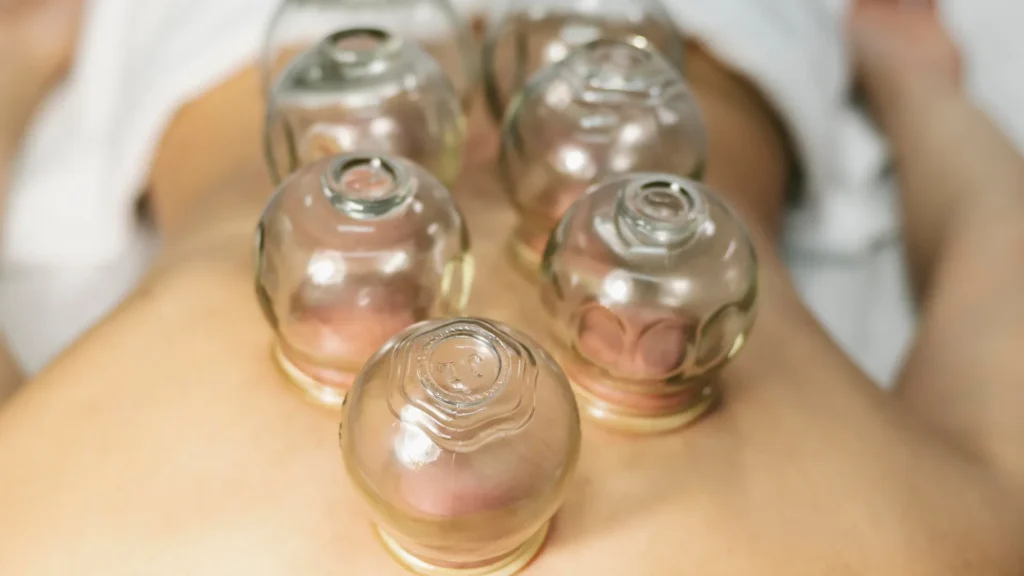
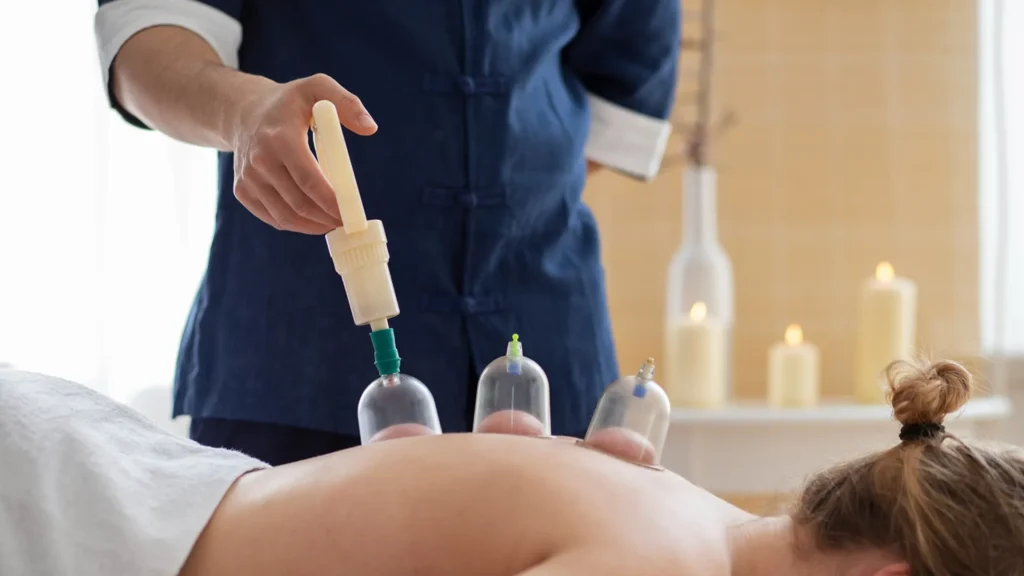
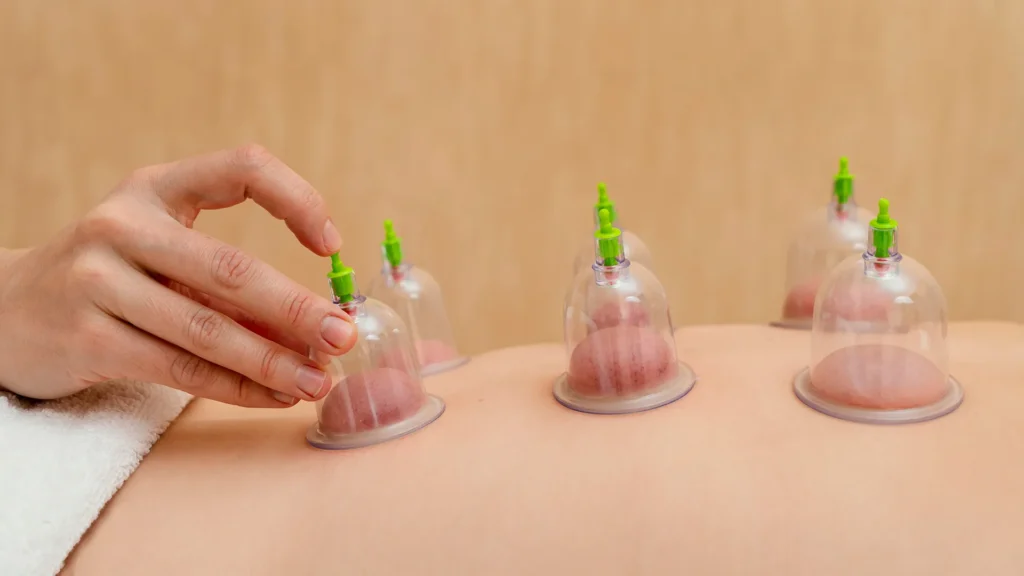
The treatment area is cleaned and sterilised carefully. Cups are first applied to create suction. This draws blood to the skin’s surface.
After several minutes, the cups are removed temporarily. Small superficial incisions are made with sterile lancets. Cups are reapplied over the incisions immediately.
Suction draws out small amounts of blood. The process continues for 5-10 minutes. Finally, cups are removed, and the area is cleaned thoroughly.
What to Expect During Treatment
Some discomfort occurs during incision making. Most describe it as minor scratching. The overall experience is generally tolerable.
Sessions typically last 30-60 minutes total. The number of cups varies by condition.
Post-Treatment Care
Keep the treated area clean and dry. Avoid swimming for at least 48 hours. Don’t exercise intensely for 24 hours post-treatment.
Drink plenty of water after Hijama. Rest when possible to aid healing. Small scabs form over incision sites and heal within a week.
Safety Considerations for Wet Cupping
Hijama carries more risks than dry cupping. Infection prevention is absolutely critical. Only trained professionals should perform wet cupping therapy.
Essential Safety Protocols
All equipment must be completely sterile. Single-use lancets are mandatory for safety. Cups should be properly sanitised between patients.
The practitioner must wear disposable gloves. Work surfaces should be disinfected thoroughly. Proper waste disposal is essential.
Who Should Avoid Hijama
Pregnant women should never undergo wet cupping therapy. People with bleeding disorders must avoid it. Blood thinner users cannot safely receive Hijama.
Anyone with severe anaemia should skip treatment. Active infections contraindicate the procedure. Cancer patients need an oncologist’s approval first.
Potential Risks and Complications
Infection is the primary risk with Hijama. Proper sterilisation prevents most issues. Signs of infection require immediate medical attention.
Excessive bleeding can occur rarely. This happens with improper technique. Bruising and temporary discolouration are normal.
Lightheadedness may occur after treatment. Low blood pressure can cause dizziness. Staying hydrated helps prevent this.
Finding a Qualified Hijama Practitioner
Choosing the right practitioner ensures safety and effectiveness. Training and certification matter tremendously. Don’t compromise on practitioner qualifications.
Look for certified Hijama practitioners specifically. Proper training in sterilisation techniques is critical. Ask about their training background and experience.
Inquire about sterilisation procedures in detail. Verify they use single-use lancets always. Discuss your complete health history honestly.
FAQs
Is Wet Cupping Therapy Painful?
Some discomfort occurs during the incision phase. Most describe it as tolerable scratching. The suction itself feels like pulling.
Pain levels vary significantly between individuals. Experienced practitioners minimise discomfort effectively. Communication helps maintain comfort throughout.
How Often Should You Get Hijama?
Treatment frequency depends on your specific condition. Acute issues may need monthly sessions initially. Chronic conditions benefit from regular treatments.
Traditional recommendations suggest monthly maintenance. Some practitioners recommend seasonal treatments. Individual response guides the schedule ultimately.
What Do the Blood Colours Mean in Hijama?
Dark, thick blood traditionally indicates stagnation. Practitioners believe this confirms toxin removal. Bright red blood suggests better circulation.
Colour interpretation varies among practitioners. Modern medicine doesn’t validate these theories fully. The significance remains debated scientifically.
Can Hijama Help With Weight Loss?
Wet cupping therapy isn’t a weight loss treatment. It doesn’t directly burn fat or calories. However, improved metabolism may support weight management.
Stress reduction from Hijama helps some people. Better hormonal balance could aid weight control. Realistic expectations are important always.
How Long Do Hijama Marks Last?
Incision marks heal within 7-10 days, typically. Small scabs form and fall off naturally. Slight scarring may remain, but it usually fades.
Bruising from suction lasts 5-14 days. Individual healing rates vary considerably. Proper aftercare supports faster healing.
Experience the ancient healing art of wet cupping therapy performed safely and professionally. Hijama offers powerful therapeutic benefits when administered correctly. Proper practitioner selection ensures optimal results and complete safety.
Serenova Wellness provides expert wet cupping therapy with the highest safety standards. Certified practitioners follow strict sterilisation protocols for every session. Whether addressing chronic pain, skin conditions, or overall wellness, professional Hijama delivers results.Ready to explore wet cupping therapy’s transformative benefits? Schedule your consultation at Serenova Wellness today. Discover how this time-honoured practice can support your health and wellbeing journey.