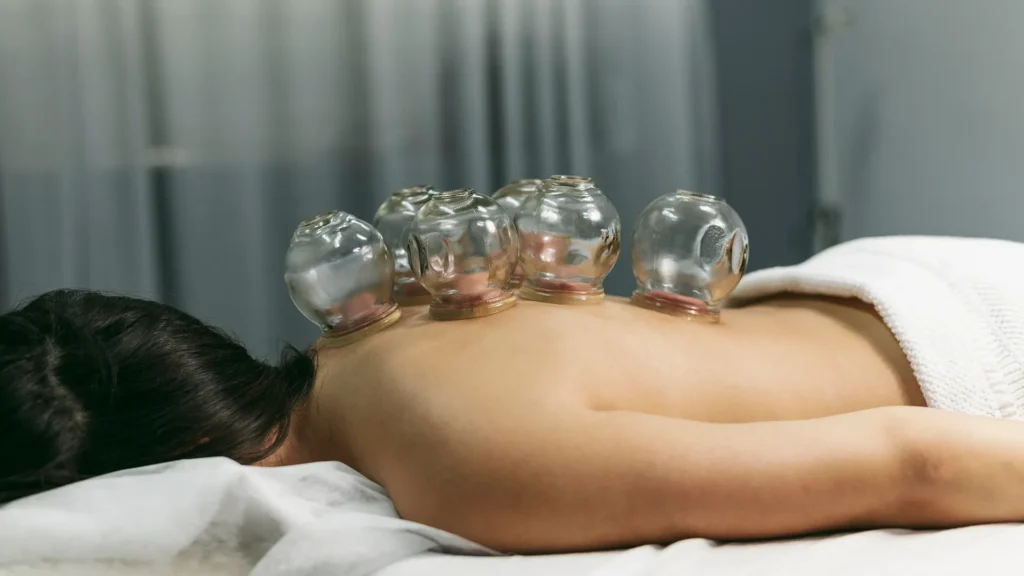
Pain affects millions of people daily. Chronic discomfort limits activities and reduces quality of life. Traditional pain management often relies on medications with unwanted side effects.
Cupping therapy for pain relief offers a natural alternative. This ancient practice has helped people manage pain for thousands of years. Modern research now validates what traditional healers have known all along.
Understanding Pain and Cupping
Pain signals indicate something needs attention in the body. Chronic pain persists long after initial injuries heal. The nervous system becomes hypersensitive over time.
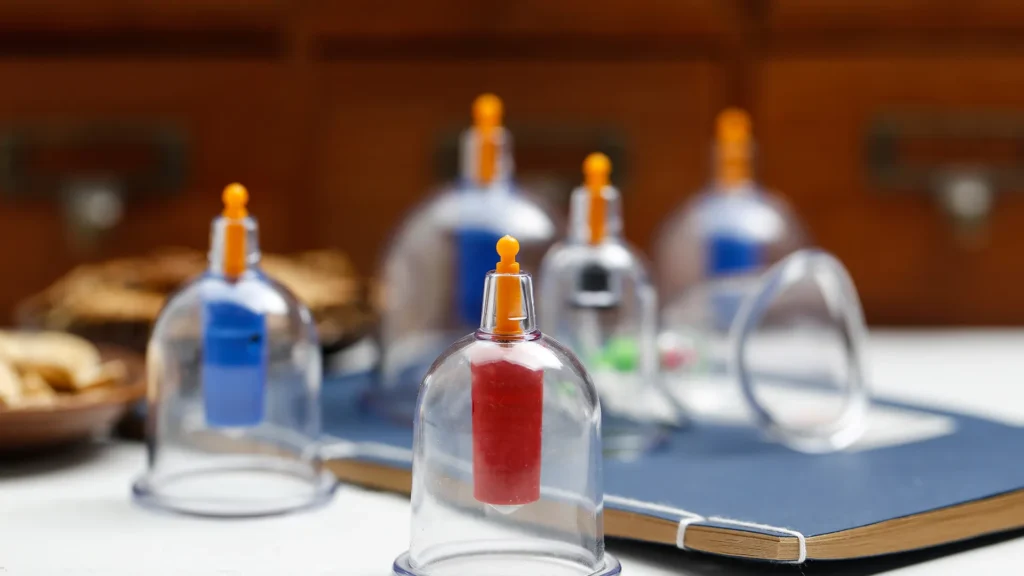
Cupping therapy interrupts these persistent pain signals. The suction created by cups triggers healing responses. Blood flow increases while muscle tension decreases naturally.
How Cupping Addresses Pain
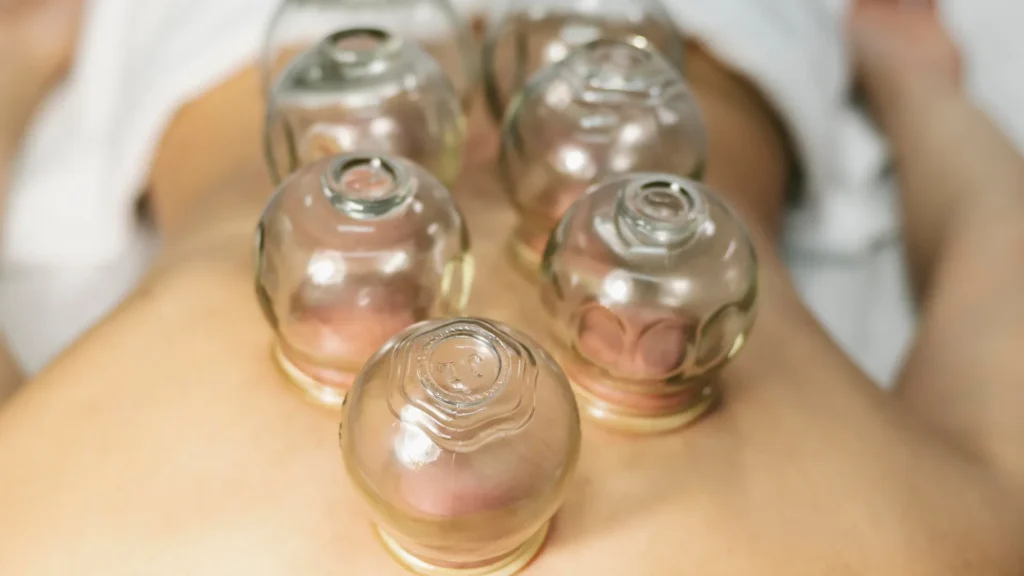
The negative pressure pulls tissue upward into cups. This mechanical action releases tight fascia and muscle fibres. Restricted areas gain mobility and flexibility.
Increased circulation delivers oxygen to pain-affected tissues. Fresh blood brings nutrients that support healing. Metabolic waste products are flushed away more efficiently.
The Gate Control Theory
Cupping works with the body’s pain management system. The therapy stimulates larger nerve fibres in treated areas. These signals override smaller pain-transmitting nerve signals.
This phenomenon is called the gate control theory. The “gate” closes to pain signals during treatment. Many patients experience immediate relief from this mechanism.
Types of Pain Cupping Can Relieve
Cupping therapy for pain relief addresses numerous conditions. Both acute and chronic pain respond to treatment. The versatility makes it valuable for various pain types.
Back Pain
Lower back pain is one of the most common complaints. Cupping releases tight muscles along the spine. The therapy targets specific trigger points effectively.
Studies show significant improvement in back pain patients. Many reduce their need for pain medications. Relief often lasts several weeks after treatment.
Neck and Shoulder Pain
Modern lifestyle creates persistent neck and shoulder tension. Hours at desks and computers strain these areas. Cupping releases the accumulated muscle tightness.
The therapy addresses both muscular and fascial restrictions. Blood flow increases to chronically tight tissues. Patients often notice improved range of motion immediately.
Arthritis Pain
Inflammatory joint conditions cause significant discomfort. Cupping reduces inflammation around affected joints. The anti-inflammatory effects provide meaningful relief.
Both osteoarthritis and rheumatoid arthritis patients benefit. Joint stiffness decreases with consistent treatment. Many patients move more freely after sessions.
Fibromyalgia
This widespread pain condition challenges conventional treatment. Cupping addresses multiple tender points simultaneously. The therapy helps regulate the overactive pain response.
Fibromyalgia patients often experience improved sleep quality. Reduced pain allows for better rest. The cumulative effect enhances overall well-being.
Headache and Migraine Pain
Tension headaches respond excellently to cupping therapy. Treatment on neck and shoulders releases headache triggers. Many headaches resolve completely during sessions.
Migraine sufferers may experience reduced frequency. Cupping addresses muscle tension that contributes to migraines. Some patients reduce their reliance on migraine medications.
Sports Injuries
Athletes use cupping for injury recovery. Muscle strains and sprains heal faster with treatment. The therapy reduces recovery time significantly.
Cupping prevents compensation patterns from developing. Injured areas receive targeted healing support. Athletes return to training sooner and stronger.
The Pain Relief Mechanism
Multiple physiological processes contribute to pain relief. Cupping activates several healing pathways simultaneously. Understanding these mechanisms helps maximise benefits.
Endorphin Release
Cupping stimulates the body’s natural pain relievers. Endorphins are powerful chemicals produced by the brain. These substances create feelings of well-being and reduced pain.
The suction triggers endorphin release throughout treatment. Effects continue even after cups are removed. This natural pain relief has no side effects.
Reduced Muscle Tension
Tight muscles are a primary source of pain. Cupping mechanically releases muscle knots and spasms. The therapy stretches shortened muscle fibres gently.
As muscles relax, pressure on nerves decreases. Pinched nerves often cause radiating pain patterns. Releasing muscle tension addresses pain at its source.
Decreased Inflammation
Chronic inflammation perpetuates many pain conditions. Cupping modulates the body’s inflammatory response. Research shows reduced inflammatory markers after treatment.
Less inflammation means less pain and swelling. Joints move more freely without inflammatory restrictions. The anti-inflammatory effect benefits the entire body.
Improved Tissue Healing
Pain often stems from incompletely healed injuries. Cupping brings fresh blood to old injury sites. Enhanced circulation supports tissue repair and regeneration.
Scar tissue becomes more pliable with treatment. Adhesions between tissue layers break down naturally. Proper healing reduces chronic pain significantly.
What to Expect During Pain Management Treatment
Cupping sessions for pain relief follow a structured approach. Practitioners assess pain patterns and contributing factors. Treatment plans target specific pain generators.
Initial Assessment
The practitioner evaluates posture and movement patterns. They identify areas of tension and restriction. Pain triggers and referral patterns are mapped out.
This comprehensive assessment ensures effective treatment. Practitioners choose cup sizes and placement strategically. The customised approach maximises pain relief potential.
Treatment Application
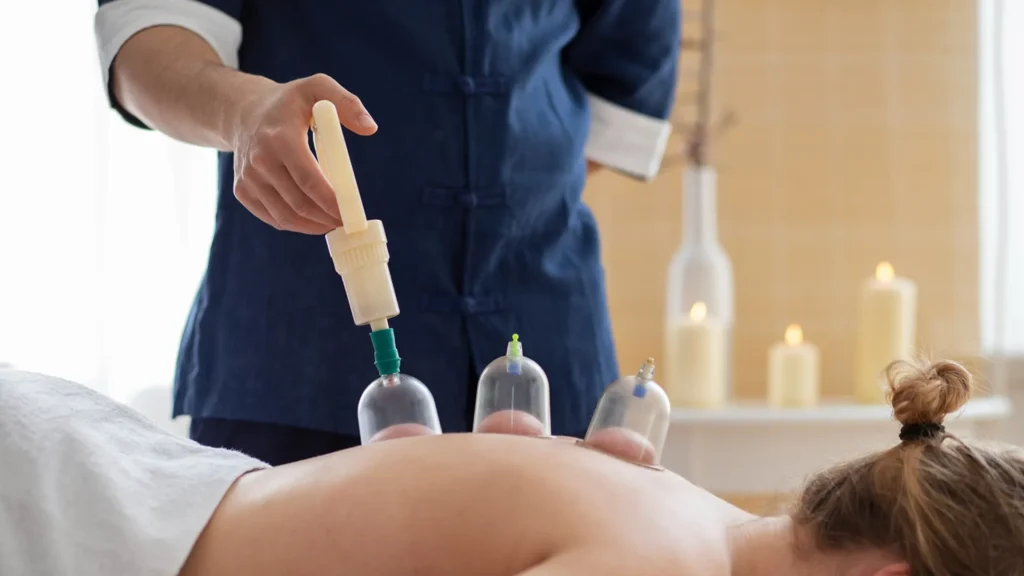
Cups are placed directly on painful areas. Surrounding muscles and fascia also receive treatment. The suction typically feels tight but not painful.
Cups may remain stationary or move across the skin. Treatment duration varies based on individual needs. Most sessions last between 20 and 40 minutes.
Immediate Effects
Many people notice pain reduction during treatment. Muscles feel looser and more relaxed immediately. The range of motion often improves right away.
Some soreness may occur in the hours following treatment. This indicates tissues were successfully addressed. Any discomfort typically resolves within 24 hours.
Combining Cupping With Other Therapies
Cupping therapy for pain relief works well with other approaches. The combination often produces superior results. Integrated treatment addresses pain from multiple angles.
Cupping and Acupuncture
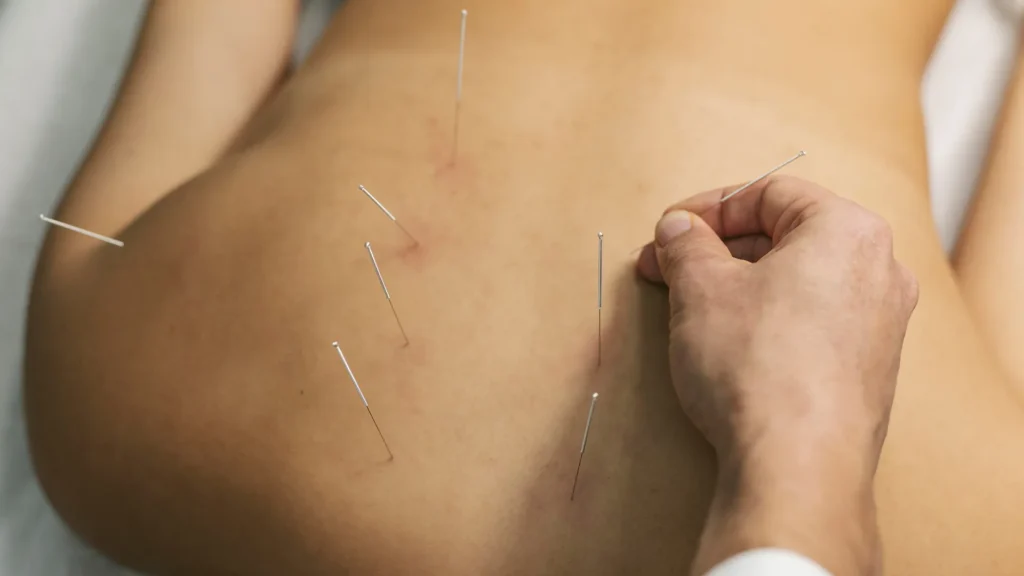
These traditional therapies complement each other perfectly. Acupuncture addresses energy flow and pain pathways. Cupping releases physical restrictions and promotes circulation.
Many practitioners combine both in single sessions. The synergistic effect enhances overall pain relief. Patients often achieve faster and more complete healing.
Cupping and Massage Therapy
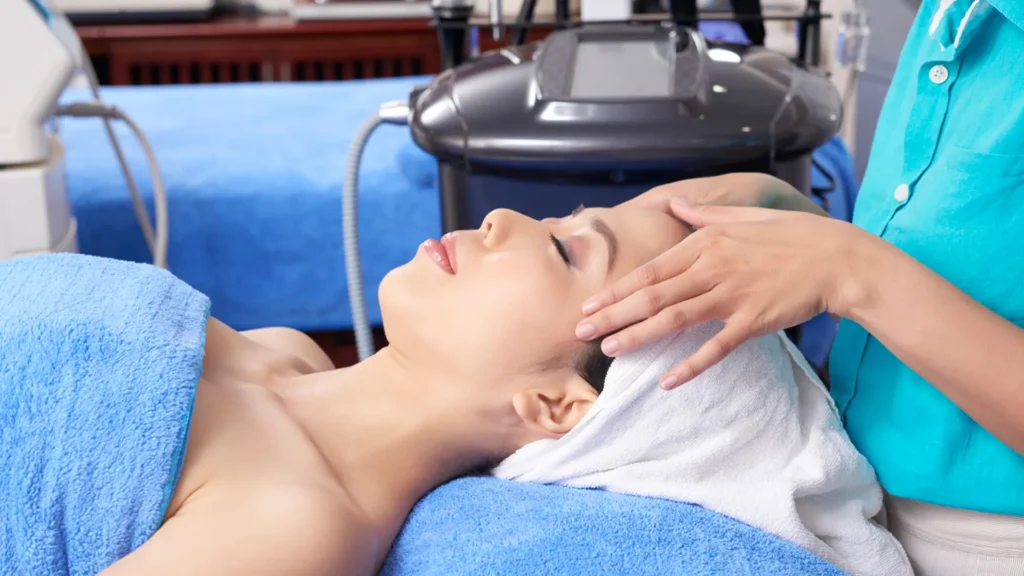
Massage and cupping address similar issues differently. Massage uses compression, while cupping uses suction. Together, they release even stubborn muscle tension.
The combination is particularly effective for chronic pain. Deep tissue work followed by cupping produces excellent results. Many massage therapists incorporate cupping into their practice.
Cupping and Physical Therapy
Physical therapists increasingly add cupping to treatment protocols. The therapy prepares tissues for therapeutic exercises. Patients often perform rehab exercises more effectively.
Cupping reduces pain that limits exercise tolerance. Better movement quality during therapy accelerates recovery. The integrated approach produces lasting improvements.
Long-Term Pain Management
Consistent cupping creates cumulative benefits for chronic pain. Regular treatments prevent pain from returning. A maintenance schedule keeps pain under control.
Treatment Frequency
Acute pain may require several sessions weekly. Chronic conditions benefit from weekly or bi-weekly treatments. Maintenance sessions might occur monthly once pain stabilises.
Practitioners adjust frequency based on individual response. Some patients need more intensive initial treatment. Others maintain relief with occasional sessions.
Lifestyle Factors
Cupping works best alongside healthy lifestyle choices. Regular movement and stretching support treatment effects. Stress management enhances overall pain reduction.
Adequate sleep allows the body to heal properly. Good nutrition supports tissue repair and recovery. Cupping integrates into a holistic pain management approach.
Frequently Asked Questions
How Quickly Does Cupping Relieve Pain?
Many people experience immediate pain relief during treatment. The effects often last for days or weeks. Chronic pain typically requires multiple sessions for lasting results.
Acute injuries may resolve in just a few treatments. Long-standing pain patterns take more time to change. Consistency produces the best long-term outcomes.
Is Cupping Better Than Pain Medication?
Cupping offers natural pain relief without medication side effects. The therapy addresses underlying causes rather than masking symptoms. Many patients reduce their medication use with regular cupping.
Cupping complements rather than replaces medical care. Some conditions require medication alongside alternative therapies. Always consult healthcare providers about pain management plans.
How Long Do the Effects Last?
Initial treatments may provide relief for several days. Benefits accumulate with consistent treatment over time. Many patients maintain relief with monthly maintenance sessions.
Individual responses vary based on pain severity. Lifestyle factors influence how long relief lasts. Regular treatment produces the most sustained results.
Are There Any Risks?
Cupping is safe when performed by trained practitioners. Temporary marks are the most common side effect. Mild soreness may occur but resolves quickly.
People with certain conditions should avoid cupping. Bleeding disorders and skin conditions require caution. Always disclose health conditions to practitioners beforehand.
Can Cupping Replace Surgery for Pain?
Cupping may help some people avoid surgical intervention. Conservative care should always precede invasive procedures. Many surgical candidates find relief through consistent cupping.
Some conditions absolutely require surgical correction. Cupping can support recovery after necessary surgeries. Discuss all options with qualified healthcare providers.Chronic pain doesn’t have to control your life. Cupping therapy for pain relief offers a safe, natural solution. Serenova Wellness provides expert cupping treatments tailored to individual pain conditions. Combined with acupuncture and head and body therapeutic massage, comprehensive pain management becomes achievable. Book an appointment at Serenova Treatments and take the first step toward lasting relief.