Migraines and headaches disrupt millions of lives daily. The throbbing pain, sensitivity to light, and nausea can be debilitating. Traditional treatments don’t always provide adequate relief.
Cupping therapy for migraines and headaches offers a drug-free alternative. This ancient practice addresses the root causes of head pain. Many sufferers find lasting relief through consistent treatment.
Understanding Migraines and Headaches
Headaches come in several distinct types. Tension headaches create band-like pressure around the head. Migraines produce intense, pulsating pain with additional symptoms.
Each type has different triggers and characteristics. Understanding the specific headache type guides effective treatment. Cupping therapy addresses multiple headache mechanisms simultaneously.
Tension Headaches
These are the most common headache types worldwide. Muscle tension in the neck and shoulders creates pain. Stress, poor posture, and eye strain trigger episodes.
The pain typically affects both sides of the head. It feels like pressure or tightness rather than throbbing. Tension headaches respond exceptionally well to cupping therapy.
Migraines
Migraines are neurological events, not just severe headaches. They involve changes in brain chemistry and blood flow. Symptoms include intense pain, nausea, and sensory sensitivity.
Migraines can last hours or even days. They significantly impact work, relationships, and quality of life. Many migraine sufferers seek alternatives to medication.
Cervicogenic Headaches
These headaches originate from neck problems. Cervical spine issues refer pain to the head. Poor posture and neck injuries commonly cause this type.
The pain usually starts in the neck and radiates forward. Movement of the neck may worsen symptoms. Cupping on neck muscles provides targeted relief.
How Cupping Therapy Helps Headaches
Cupping therapy for migraines and headaches works through multiple mechanisms. The treatment addresses both symptoms and underlying causes. Physical and neurological changes occur during therapy.
Muscle Tension Release
Tight neck and shoulder muscles are major headache triggers. Cupping releases these chronic muscle contractions effectively. The suction stretches shortened muscle fibres gently.
As muscles relax, pressure on nerves decreases significantly. Blood flow to tense areas improves dramatically. Many patients feel immediate relief during treatment.
Trigger Point Deactivation
Trigger points are hyperirritable spots in muscles. They refer pain to other areas, including the head. Cupping directly addresses these problematic points.
The negative pressure releases trigger point tension. Pain referral patterns diminish or disappear completely. Deactivating triggers prevents future headache episodes.
Improved Circulation
Poor circulation contributes to both tension and migraine headaches. Cupping increases blood flow to the head and neck. Enhanced circulation delivers oxygen and removes waste products.
Better circulation helps prevent migraine onset. The therapy also speeds recovery during headache episodes. Improved blood flow supports overall brain health.
Stress Reduction
Stress is a primary trigger for most headache types. Cupping activates the parasympathetic nervous system. This “rest and digest” mode counters stress responses.
The therapy reduces cortisol levels naturally. Lower stress hormones mean fewer headache triggers. Many patients experience improved stress management overall.
Nervous System Regulation
Cupping helps balance the autonomic nervous system. Overactive sympathetic responses contribute to migraines. The therapy calms excessive nervous system activity.
This regulation reduces headache frequency and intensity. The nervous system becomes less reactive to triggers. Long-term treatment provides cumulative benefits.
Cupping Treatment for Different Headache Types
Treatment approaches vary based on headache characteristics. Practitioners customise cup placement and technique accordingly. The tailored approach maximises relief potential.
Tension Headache Protocol
Cups are placed on the upper back, shoulders, and neck. These areas hold the most tension for headache sufferers. The therapy releases accumulated muscle tightness systematically.
Treatment may extend to the base of the skull. This area contains important trigger points. Releasing occipital tension often eliminates headaches.
Migraine Treatment Approach
Migraine treatment includes neck and shoulder work. Additional cups may be placed on the upper back. Some practitioners include facial cupping for specific migraine types.
Treatment timing matters for migraine sufferers. Sessions between episodes work best for prevention. Treatment during early warning signs may abort attacks.
Cervicogenic Headache Focus
Cervical headaches require focused neck treatment. Cups target the cervical spine muscles directly. The therapy addresses mechanical restrictions in neck movement.
Improved neck mobility reduces pain referral to the head. Many patients experience relief after just one session. Consistent treatment prevents recurrence effectively.
What to Expect During Treatment
Cupping sessions for headaches follow a structured process. Understanding the experience helps patients relax and benefit fully. Most people find treatment pleasant and effective.
Initial Consultation
The practitioner asks detailed questions about headache patterns. Frequency, intensity, and triggers are carefully documented. Physical assessment identifies muscle tension and restrictions.
This thorough evaluation ensures appropriate treatment planning. Practitioners identify contributing factors beyond obvious muscle tension. The comprehensive approach addresses headaches holistically.
Treatment Session
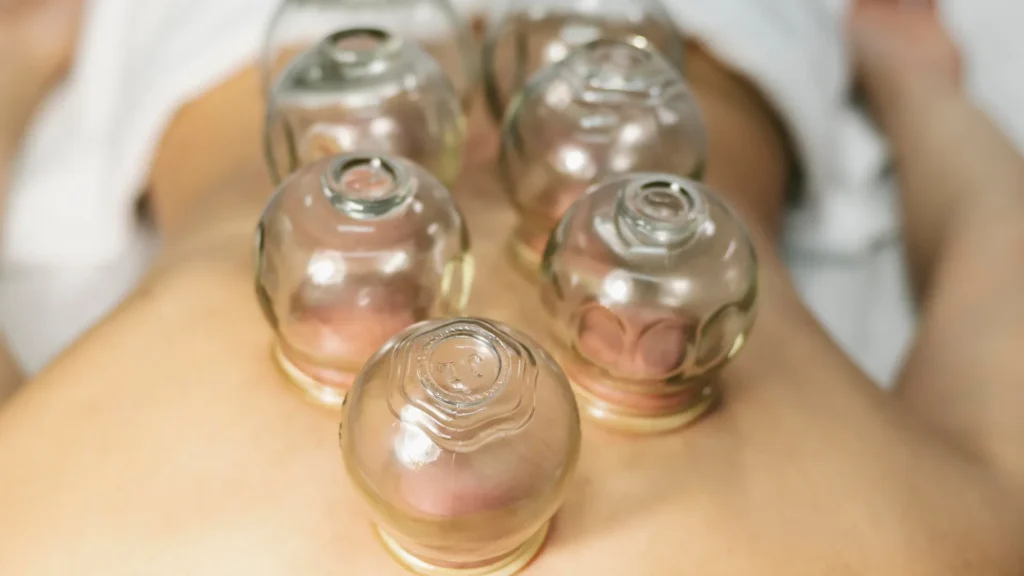
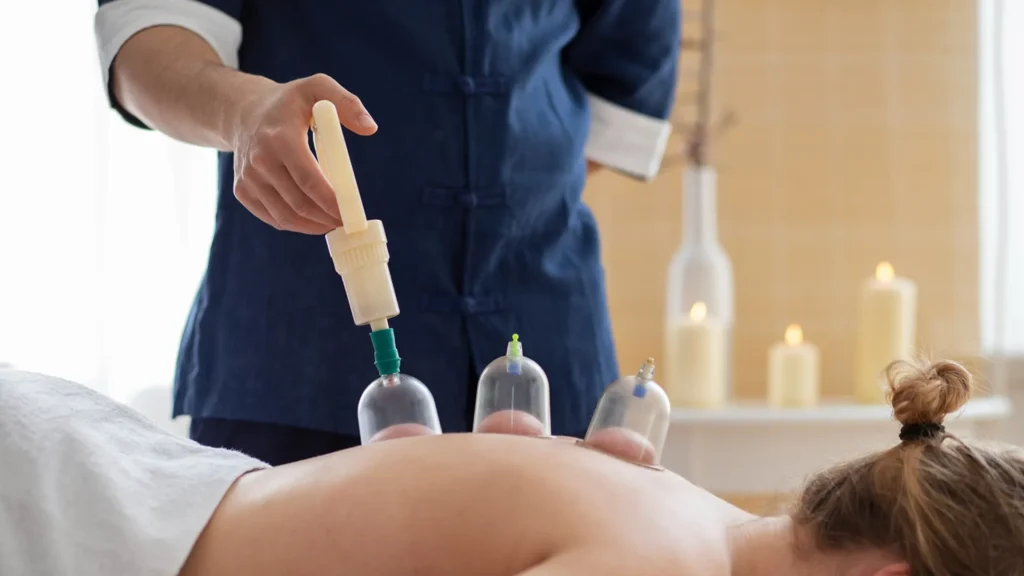
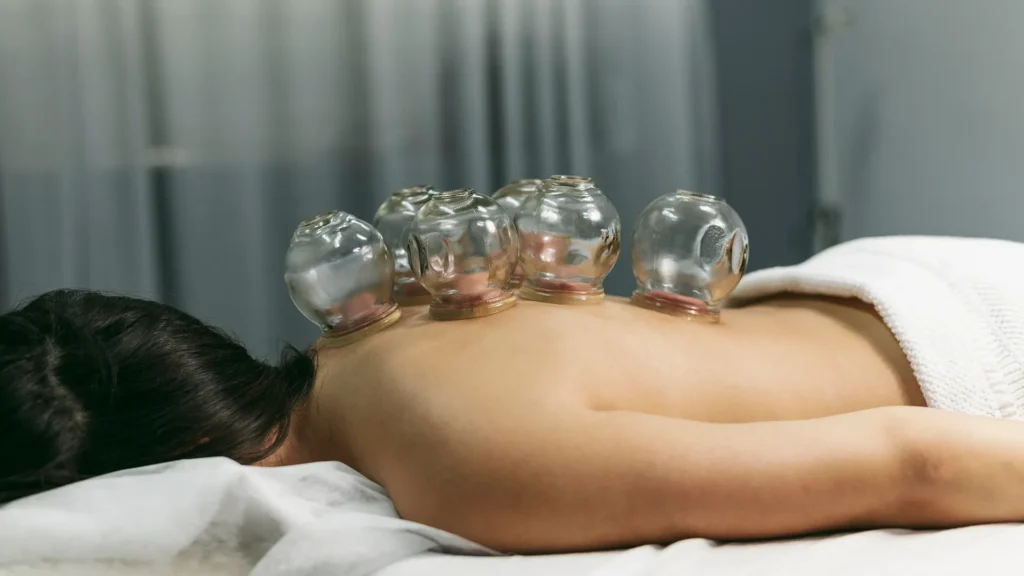
Patients typically lie face-down on a treatment table. Cups are applied to the neck, shoulders, and upper back. The suction feels tight but shouldn’t cause pain.
Cups usually remain in place for 10-20 minutes. Some practitioners use moving cupping techniques. The entire session typically lasts 30-45 minutes.
Immediate Effects
Many people notice reduced tension during treatment. Headache pain often decreases or disappears completely. Neck and shoulder mobility improve immediately.
Some patients feel lightheaded briefly after treatment. This passes quickly with rest and hydration. Most people feel relaxed and pain-free afterwards.
Post-Treatment Care
Drinking plenty of water supports the healing process. Gentle stretching maintains the benefits between sessions. Avoiding headache triggers becomes easier after treatment.
The characteristic cupping marks appear on treated areas. These fade within several days to a week. Marks indicate increased circulation and successful treatment.
Preventing Headaches With Regular Cupping
Consistent treatment provides the best long-term results. Regular cupping reduces headache frequency significantly. Many patients experience fewer and less severe episodes.
Treatment Frequency
Chronic headache sufferers may need weekly sessions initially. Treatment frequency decreases as symptoms improve. Maintenance sessions every 2-4 weeks prevent recurrence.
Migraine patients often benefit from twice-monthly treatments. The preventive approach works better than reactive treatment. Consistent care produces cumulative benefits.
Lifestyle Integration
Cupping works best alongside healthy lifestyle habits. Stress management techniques enhance treatment effects. Regular sleep schedules support headache prevention.
Proper ergonomics at work reduces trigger accumulation. Hydration and balanced nutrition support overall health. Cupping integrates into comprehensive headache management.
Complementary Approaches
Combining therapies often produces superior results. Cupping therapy for migraines and headaches works well with other treatments. The integrated approach addresses multiple contributing factors.
Cupping and Acupuncture
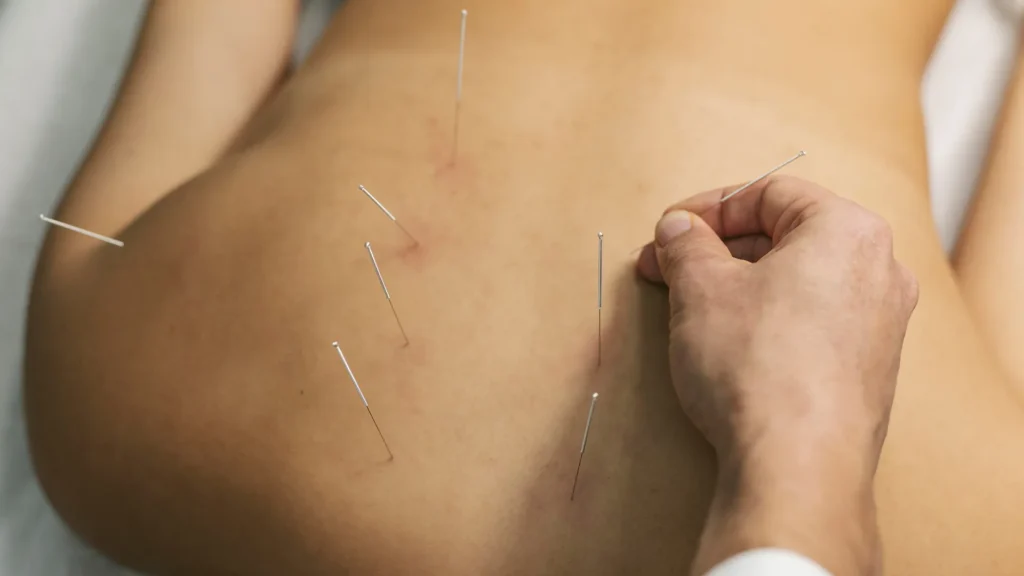
Acupuncture and cupping complement each other perfectly. Acupuncture balances energy flow and regulates pain pathways. Together they provide powerful headache relief.
Many practitioners offer combined sessions. The synergistic effect enhances overall results. Patients often achieve faster and more complete relief.
Cupping and Massage
Therapeutic massage releases muscle tension throughout the body. Cupping focuses on specific headache-related areas. The combination addresses both local and systemic factors.
Deep tissue massage followed by cupping produces excellent results. Stubborn tension patterns release more completely. Many headache sufferers prefer this integrated approach.
Cupping and Physical Therapy
Physical therapists increasingly incorporate cupping into treatment. Neck strengthening exercises complement cupping therapy. Improved posture prevents future headache episodes.
The combination addresses both symptoms and causes. Patients learn self-care techniques between sessions. Long-term results improve with this comprehensive approach.
Research and Evidence
Scientific studies support cupping for headache treatment. Research shows significant pain reduction in treated patients. The evidence base continues to grow.
Clinical Studies
Multiple studies demonstrate cupping’s effectiveness for tension headaches. Pain intensity decreases significantly with regular treatment. The frequency of headaches also reduces substantially.
Migraine research shows promising results as well. Many patients experience fewer and less severe attacks. Quality of life improvements are consistently reported.
Patient Outcomes
Real-world results mirror clinical research findings. Patients report high satisfaction with cupping therapy. Many reduce their reliance on pain medications.
Long-term follow-up shows sustained benefits. The therapy produces lasting changes, not just temporary relief. Preventive effects continue between treatment sessions.
Frequently Asked Questions
Can Cupping Stop a Migraine in Progress?
Cupping may help if applied during the early warning signs. The therapy can sometimes abort developing migraines. However, prevention through regular treatment works best.
Once a full migraine develops, cupping provides less relief. The neurological cascade is already underway. Consistent preventive treatment reduces migraine frequency significantly.
How Many Sessions Before Seeing Results?
Some people notice improvement after the first session. Chronic headache patterns typically require 4-6 treatments. Migraines may take longer to show a significant reduction.
Consistency matters more than occasional treatment. Regular sessions produce cumulative benefits over time. Most patients achieve substantial relief within two months.
Is Cupping Safe During a Headache?
Cupping is safe during most headache types. Tension headaches often improve immediately with treatment. The therapy provides relief without medication side effects.
However, severe migraines may require rest in dark, quiet environments. Cupping during intense migraines may be uncomfortable. Preventive treatment between episodes works better.
Will the Marks Trigger More Headaches?
The cupping marks themselves don’t cause headaches. They indicate increased circulation and successful treatment. The marks are temporary and harmless.
Some people worry about the appearance of marks. Marks typically appear on the back, neck, and shoulders. These areas are usually covered by clothing.
Can Cupping Replace Migraine Medication?
Cupping may help reduce medication dependence gradually. Many patients decrease their medication use with regular treatment. The therapy addresses underlying causes, not just symptoms.
Never stop prescribed medications without medical supervision. Cupping should complement rather than replace medical care. Discuss treatment plans with healthcare providers.
Headaches and migraines don’t have to control your life. Cupping therapy for migraines and headaches provides natural, effective relief. Serenova Wellness offers specialised headache treatment protocols tailored to individual needs. Combined with acupuncture and therapeutic massage, lasting freedom from head pain is achievable. Book your appointment at Serenova Treatments and discover life beyond chronic headaches.