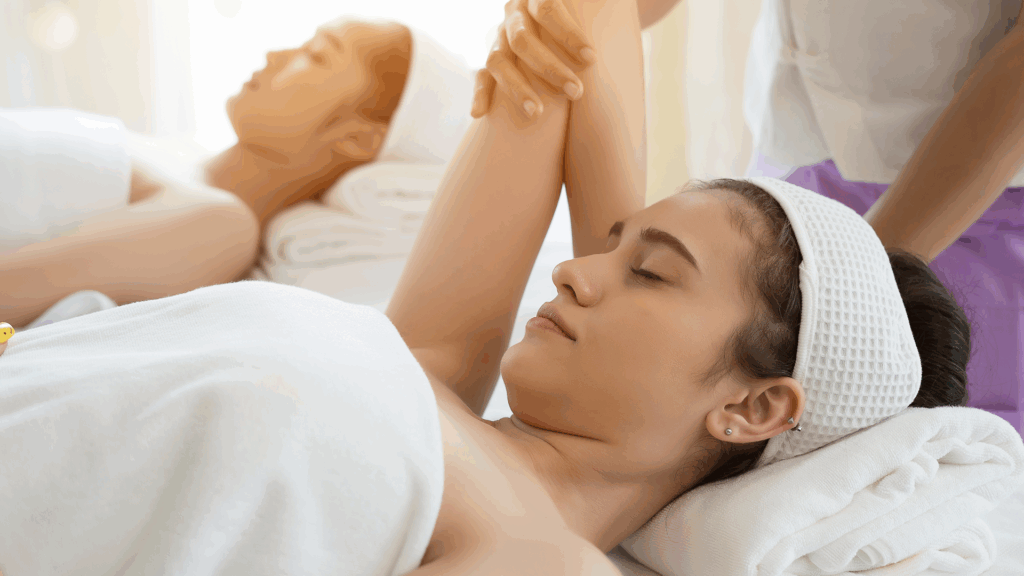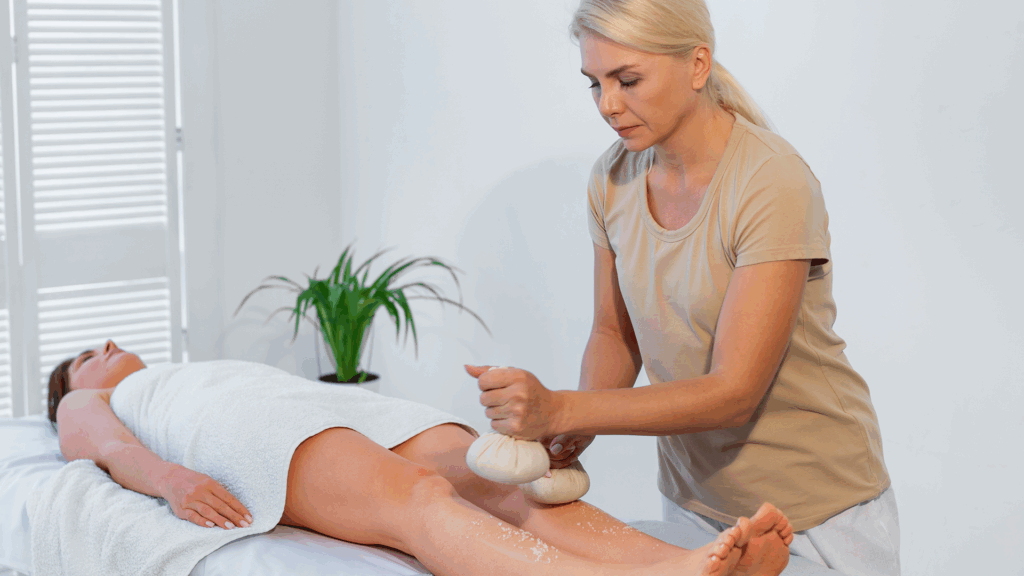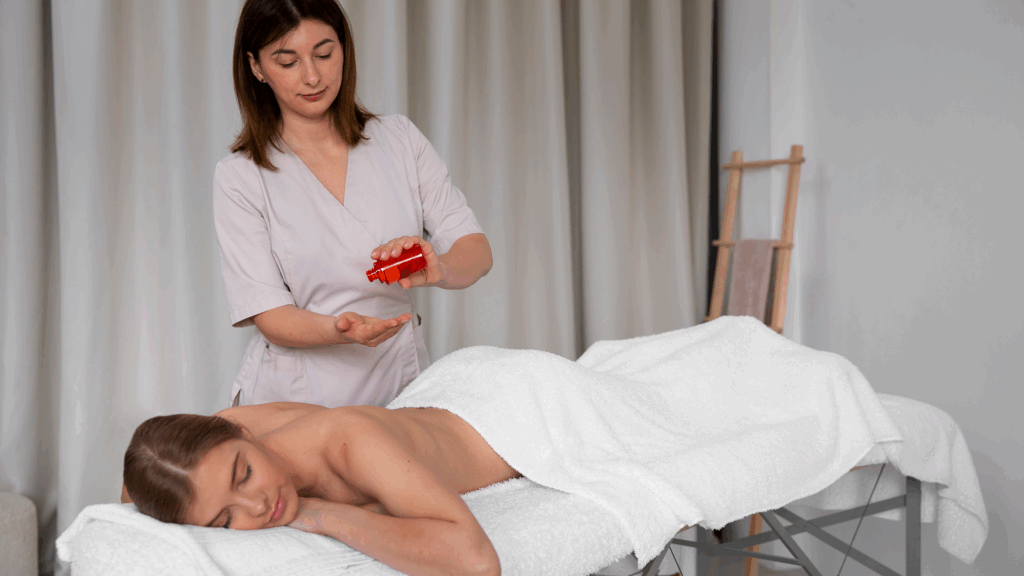
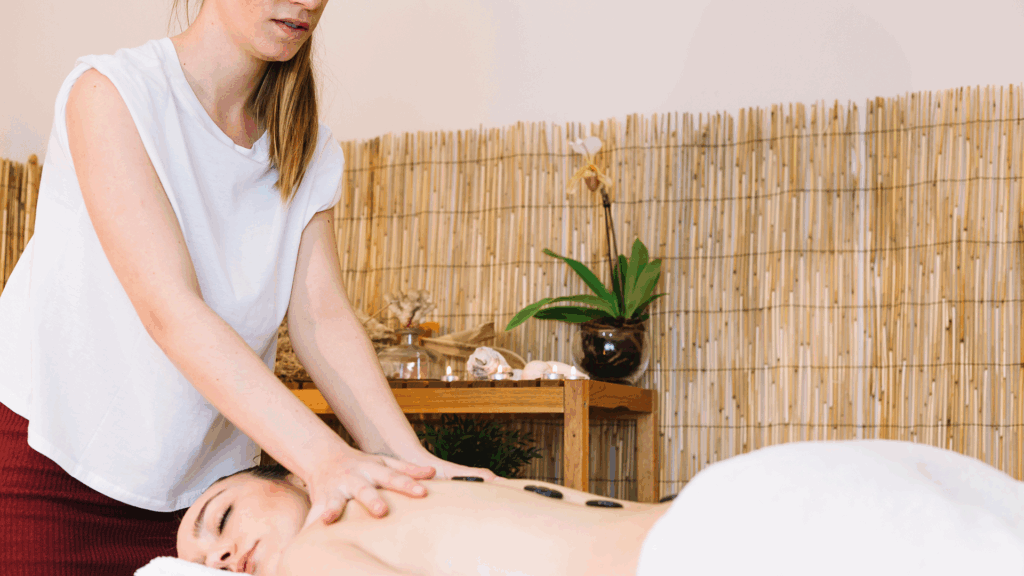
There’s a reason Swedish massage has remained the most widely recognised massage therapy in the world for nearly two centuries. Whether someone is dealing with persistent muscle tightness, chronic low-level stress, or simply wants to switch off for an hour, this particular approach to massage therapy has a way of reaching both the physical and mental at once. It’s the kind of treatment that feels restorative rather than just relaxing — and there’s real science behind why that is.
Key Takeaways
- Swedish massage uses five distinct manual techniques to work on muscles, connective tissue, and the nervous system.
- It’s one of the most effective non-invasive therapies for reducing cortisol, the body’s primary stress hormone.
- Benefits extend well beyond relaxation — from improved circulation and better sleep to reduced muscle soreness.
- It works well as a standalone treatment and pairs naturally with other holistic therapies like cupping therapy or Reiki healing.
- Swedish massage is suitable for most people, including those new to bodywork.
What Is Swedish Massage?

Swedish massage is a full-body manual therapy that uses a combination of flowing strokes, kneading movements, and rhythmic tapping applied to the superficial layers of muscle. It was developed in the 19th century and has since become the foundation upon which most Western massage styles are built.
What distinguishes it from more intense modalities — like deep tissue work — is the emphasis on relaxation and overall wellness rather than targeting specific injury sites. Pressure is typically light to moderate, though a good therapist will always tailor this to what the client needs on the day.
The treatment generally covers the back, shoulders, legs, arms, and neck. Sessions usually run between 60 and 90 minutes, though shorter appointments are also available.
The Five Core Swedish Massage Techniques
Understanding what actually happens during a Swedish massage session makes the experience far less mysterious — and helps explain why it works so consistently well.
1. Effleurage (Gliding Strokes)
This is the foundational movement of Swedish massage. Long, slow, flowing strokes follow the direction of blood flow toward the heart. Effleurage warms up the muscles at the start of a session, eases the client into the treatment, and is used throughout to provide continuity between other techniques. It also has a direct calming effect on the nervous system.
2. Petrissage (Kneading)
Petrissage involves lifting, rolling, and kneading soft tissue — similar in some ways to working dough. It targets deeper muscle layers, helps release built-up tension, and improves local circulation. Areas like the shoulders, calves, and upper back respond particularly well to this technique.
3. Friction
Friction uses small, circular or cross-fibre movements applied with the fingertips or thumb to break down adhesions and knots within muscle tissue. It generates heat in a localised area, which softens tight fascia and improves tissue mobility. This technique is often used around joints and areas of chronic tension.
4. Tapotement (Rhythmic Tapping)
Tapotement refers to a series of percussive movements — tapping, cupping, hacking — applied with the sides of the hands or fingertips. It stimulates circulation, energises the muscles, and has a toning effect on the tissues. Some therapists use it toward the end of a session to bring awareness back to the body.
5. Vibration
Vibration involves rapidly shaking or trembling movements applied to a specific area or muscle group. It helps loosen muscle fibres, reduce muscle guarding, and calm the nervous system — particularly useful for people carrying tension in the neck and shoulders.
The Health Benefits of Swedish Massage
Stress Relief and Mental Wellbeing
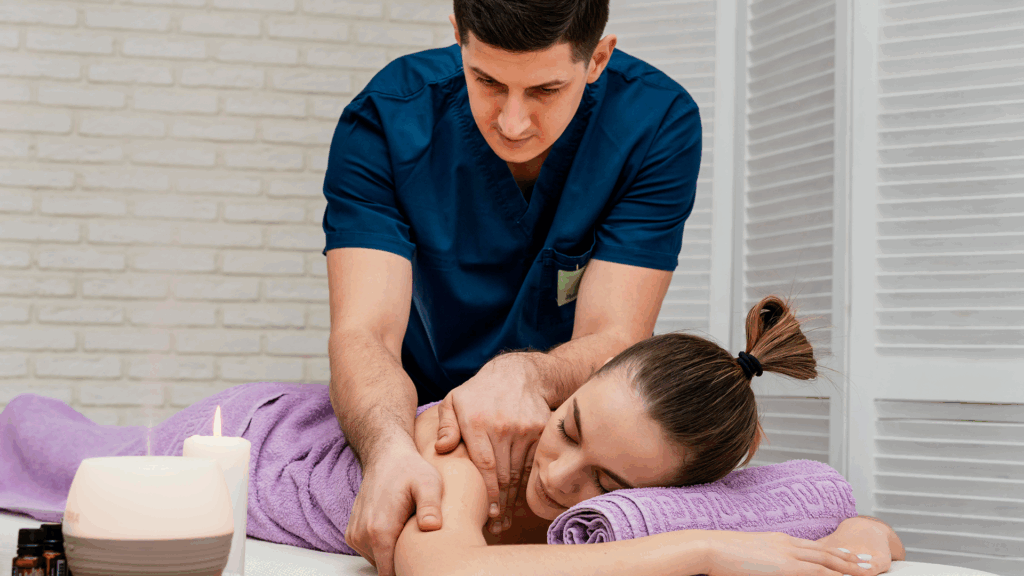
Perhaps the most widely researched benefit of Swedish massage is its effect on the stress response. Studies consistently show that it lowers cortisol levels while simultaneously increasing serotonin and dopamine — the neurotransmitters most associated with mood and emotional stability. For anyone dealing with burnout, anxiety, or emotional fatigue, this shift in neurochemistry can feel genuinely transformative.
It’s worth noting that the benefits here aren’t simply anecdotal. Clients at holistic wellness clinics frequently report improved mental clarity and a tangible sense of calm that can persist for several days after treatment.
Muscle Tension and Pain Relief
Swedish massage is particularly effective at addressing the kind of diffuse, generalised tension that accumulates from desk work, repetitive movement, or just the physical toll of daily life. The combination of effleurage and petrissage works on both the superficial and deeper layers of muscle, helping to release trigger points and ease stiffness in areas like the neck, lower back, and hips.
For those dealing with more persistent or localised discomfort, Swedish massage pairs well with other physical therapies. Cupping therapy for pain relief and Swedish massage, for instance, can complement each other to address tension from multiple angles.
Improved Circulation
The long, directional strokes used in effleurage literally push blood through the capillaries and promote venous return — the movement of blood back toward the heart. Improved circulation means tissues receive more oxygen and nutrients, metabolic waste products clear more efficiently, and localised inflammation reduces. For people who sit for extended periods, this circulatory boost can make a noticeable difference.
Better Sleep Quality
Swedish massage has a well-documented effect on sleep. By activating the parasympathetic nervous system — the part responsible for rest and recovery — it helps the body shift out of a chronically heightened stress state and into one more conducive to deep, restorative sleep. Many clients report sleeping significantly better in the nights following a treatment.
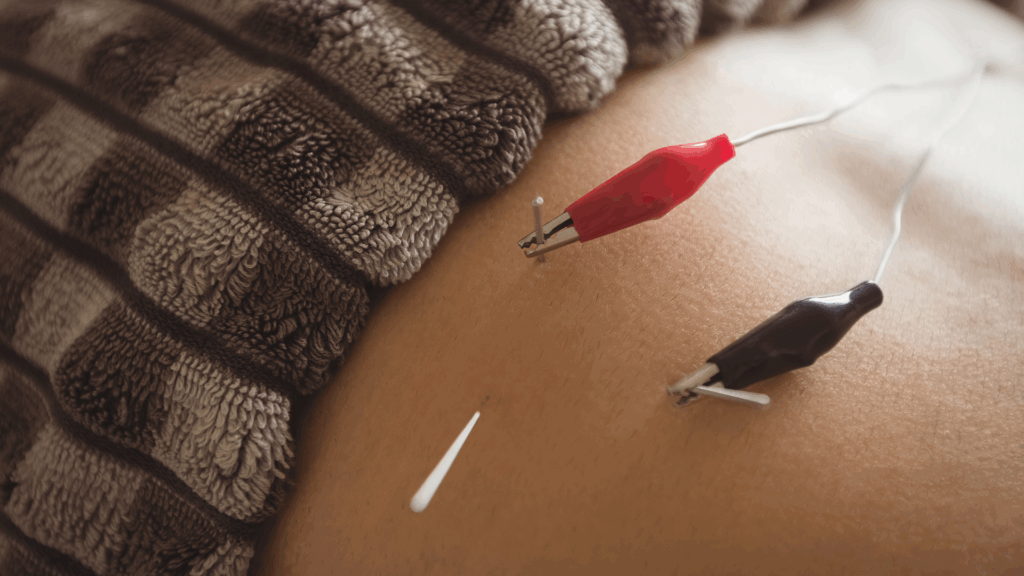
This is also a reason why Swedish massage works well alongside therapies that address sleep from a different direction, such as acupuncture, which directly influences the body’s energy regulation and nervous system activity.
Immune System Support
Regular Swedish massage has been associated with modest but meaningful improvements in immune function. Research has found increases in lymphocyte count — a key component of the immune response — following massage sessions. The lymphatic system also benefits directly from the physical stimulation of soft tissue, which helps move lymph fluid through the body more efficiently.
How Swedish Massage Creates Relaxation
The relaxation response triggered by Swedish massage isn’t simply a matter of feeling comfortable on a warm table. It’s a measurable physiological shift. Heart rate slows. Blood pressure drops. Muscle spindle activity reduces, which is why muscles feel noticeably softer after treatment. Breathing naturally deepens and slows.
This cascade happens partly through the direct mechanical effect of touch and partly through the release of endorphins and oxytocin. Together, these create that distinctive post-massage feeling — loose, heavy, calm, and quietly alert at the same time.
For people who carry a lot of tension in the body without realising it, the experience of a well-executed Swedish massage can also recalibrate awareness of what relaxed actually feels like — which is, perhaps, one of its more underappreciated benefits.
Who Is Swedish Massage Best Suited For?
Swedish massage is one of the most accessible therapies available. It works well for:
- People new to massage therapy who want a gentle introduction
- Those experiencing stress-related physical symptoms such as tension headaches or tight shoulders
- Anyone looking to support recovery from mild physical fatigue
- People with sedentary lifestyles who need improved circulation and muscle mobility
- Clients seeking a complementary treatment alongside acupuncture for inflammation or other holistic care
It is generally considered safe during pregnancy when performed by a therapist trained in prenatal work, and is suitable across a wide range of ages. As always, clients with specific health conditions should discuss these with their therapist before the session.
How Swedish Massage Fits Within a Holistic Wellness Approach
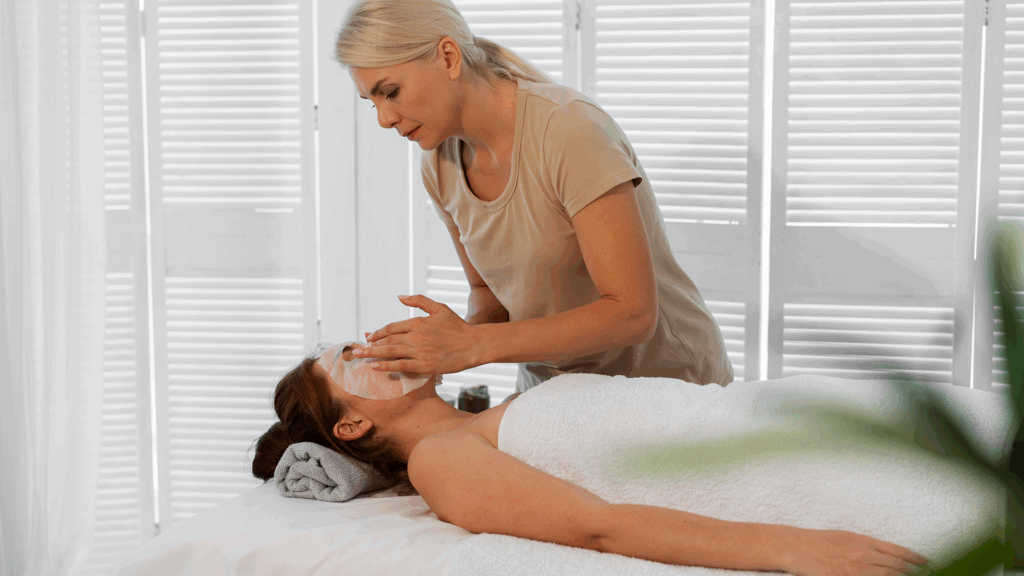
At an integrated wellness clinic, Swedish massage rarely exists in isolation. It pairs naturally with treatments that work on the body from different angles. Dry cupping therapy can loosen fascial restrictions before a massage, making the soft tissue work more effectively. Reiki offers an energetic dimension that complements the physical release of massage. And acupuncture can support the nervous system regulation that massage initiates.
For those who experience frequent headaches, combining Swedish massage with cupping therapy for migraines and headaches may offer more sustained relief than either treatment alone.
FAQs
How long does a Swedish massage session typically last?
Sessions most commonly run for 60 or 90 minutes. A shorter 30-minute back-focused session is also an option for those with limited time or who are looking to address a specific area.
Is Swedish massage suitable for everyone?
It’s one of the most universally accessible massage styles. However, individuals with certain medical conditions — including blood clots, open wounds, skin infections, or recent surgery — should consult a healthcare professional before booking. A good therapist will conduct an intake consultation to identify any contraindications.
How often should someone receive a Swedish massage?
For general wellness and stress management, once or twice a month tends to work well for most people. Those experiencing acute tension or recovering from physical fatigue may benefit from more frequent sessions initially.
What’s the difference between Swedish massage and deep tissue massage?
Swedish massage works primarily on the superficial muscle layers using lighter to moderate pressure, with a focus on relaxation and circulation. Deep tissue massage targets deeper muscle layers and connective tissue with firmer, slower pressure, making it better suited to chronic pain and specific musculoskeletal issues.
Can Swedish massage help with anxiety?
Yes — and this is well supported by research. The reduction in cortisol and increase in serotonin and dopamine associated with Swedish massage directly address the neurochemical underpinnings of anxiety. While it’s not a replacement for clinical treatment where needed, it can be a meaningful part of a broader approach to managing anxiety symptoms.
Swedish massage occupies a unique position in wellness — approachable enough for complete beginners, yet genuinely effective as an ongoing practice for managing stress, maintaining physical health, and supporting overall balance. The combination of its five core techniques creates something that works on the body and the nervous system simultaneously, which is why the results tend to feel more lasting than a simple surface-level treatment.
Whether it’s the first step into the world of holistic therapy or part of an established wellness routine, it’s a treatment that consistently delivers. If it sounds like something worth experiencing, book an appointment at Serenova Treatments and find out what that post-massage calm genuinely feels like.