Cupping therapy has been practised across cultures for thousands of years. It is now widely recognised as a safe and effective complement to modern holistic care. But like any therapeutic treatment, understanding the side effects of cupping therapy helps set realistic expectations before a first session.
Most side effects are mild and short-lived. The body is responding to a meaningful stimulus, and that response is part of the healing process itself. Knowing what to expect removes unnecessary worry and helps people get far more from the experience.
Key Takeaways
- Circular marks and skin discolouration are the most common and expected side effects.
- Most responses resolve naturally within a few days to two weeks.
- Serious adverse reactions from professional cupping are extremely rare.
- Dry and wet cupping carry slightly different aftercare requirements.
- A qualified practitioner is the most important factor in a safe, effective session.
Why Side Effects Happen With Cupping
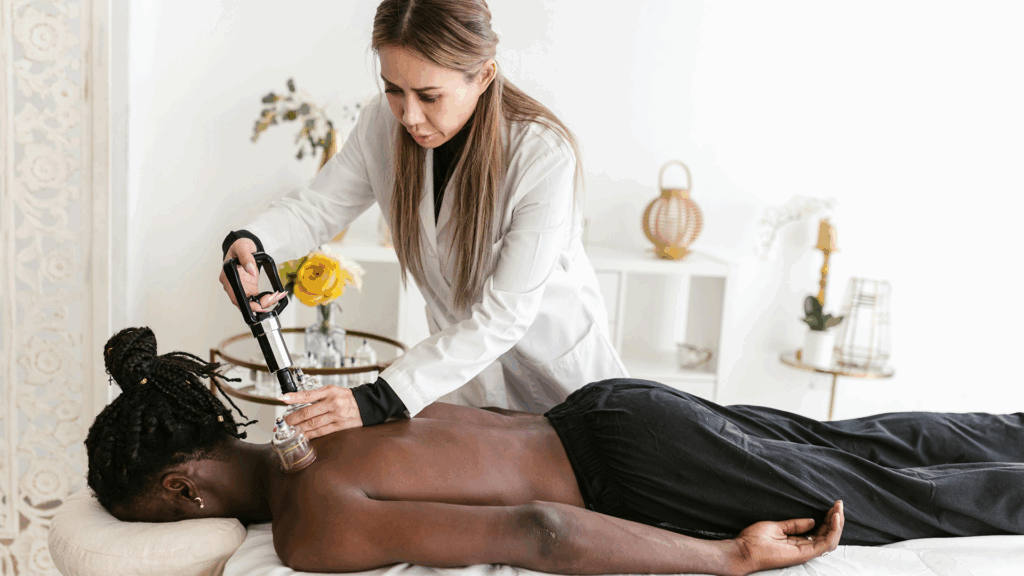
How Cupping Works Beneath the Surface
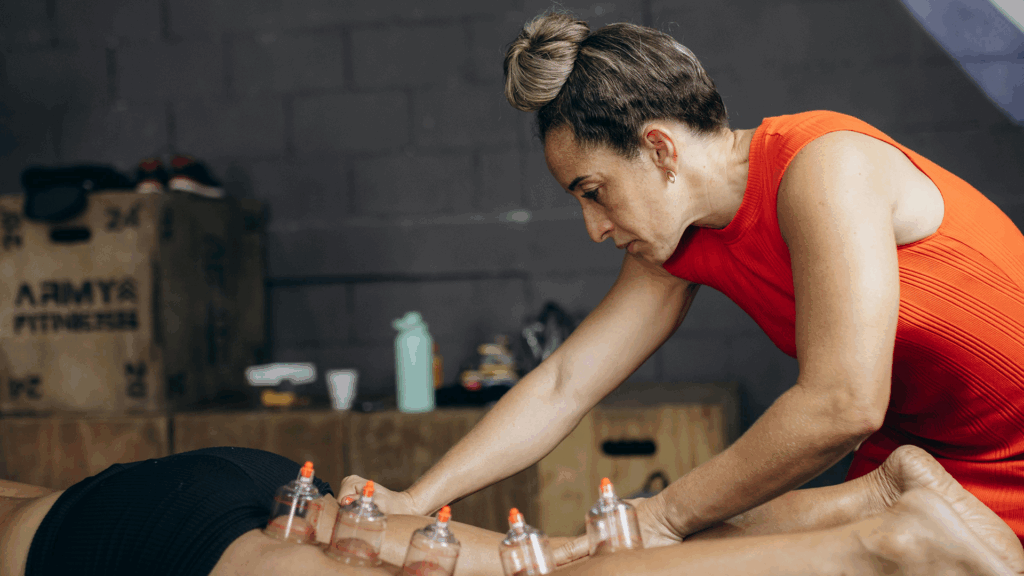
Cupping therapy uses suction to draw blood and energy towards the surface of the skin. This stimulates circulation, releases deep muscular tension, and encourages the body to detoxify naturally. Understanding the role of Qi in Traditional Chinese Medicine helps explain why such a simple technique produces such a profound effect.
The suction temporarily increases local blood flow to targeted areas of the body. Stagnant energy and metabolic waste products are mobilised in the process. The visible marks and sensations left behind are simply the body confirming that something significant has taken place.
Common Side Effects of Cupping Therapy
Circular Marks and Skin Discolouration
The most instantly recognisable side effect of cupping is the circular marks left on the skin. These range in colour from light pink to deep purple, depending on the level of stagnation present. They are not bruises in the traditional sense and are generally not painful when touched.
Darker marks often indicate more significant underlying stagnation or poor local circulation. A practitioner experienced in cupping and Hijama therapy can read these marks as part of a broader assessment. Most discolouration fades completely within three to ten days, sometimes considerably sooner.
Mild Skin Tenderness
The treated area may feel tender or sensitive for a day or two after a session. This is a completely normal physiological response to the suction applied during treatment. It is broadly comparable to the mild soreness felt after a deep tissue massage.
Gentle warmth and avoiding direct pressure on the area helps manage any discomfort effectively. Clothing that rubs or sits tightly against treated skin is best avoided for a short period. Tenderness tends to ease noticeably within 24 to 48 hours in most people.
Fatigue and Post-Treatment Drowsiness
Feeling unusually tired after cupping is one of the most commonly reported responses. The body has been through a significant detoxification and circulatory event during the session. This fatigue is a signal that the body is actively processing and working to heal itself.
Rest is the most supportive response to any post-treatment tiredness. Planning a calm, unhurried evening after a session makes a real difference to the recovery experience. This is especially relevant when cupping is combined with acupuncture within the same appointment.
Temporary Skin Irritation
Some people notice mild itching, redness, or surface warmth around the cupped areas after treatment. This is a localised inflammatory response and is entirely within the range of normal. It typically settles within a few hours and rarely needs any intervention at all.
Those with more sensitive skin may notice slightly more pronounced surface reactions. This does not indicate a problem with the technique or the pressure used. A good practitioner adjusts cup placement and suction accordingly during the session.
Dizziness or Light-Headedness
Feeling briefly light-headed during or after a session can occur in some individuals. This is usually connected to a deep relaxation response and a temporary drop in blood pressure. Sitting up slowly and sipping warm water are effective and immediate ways to manage this.
Eating a light meal before a session significantly reduces the likelihood of dizziness. Arriving well hydrated is equally important for a smooth, comfortable experience. This response passes quickly and rarely recurs once the body adjusts to regular treatment.
Side Effects Specific to Wet Cupping (Hijama)
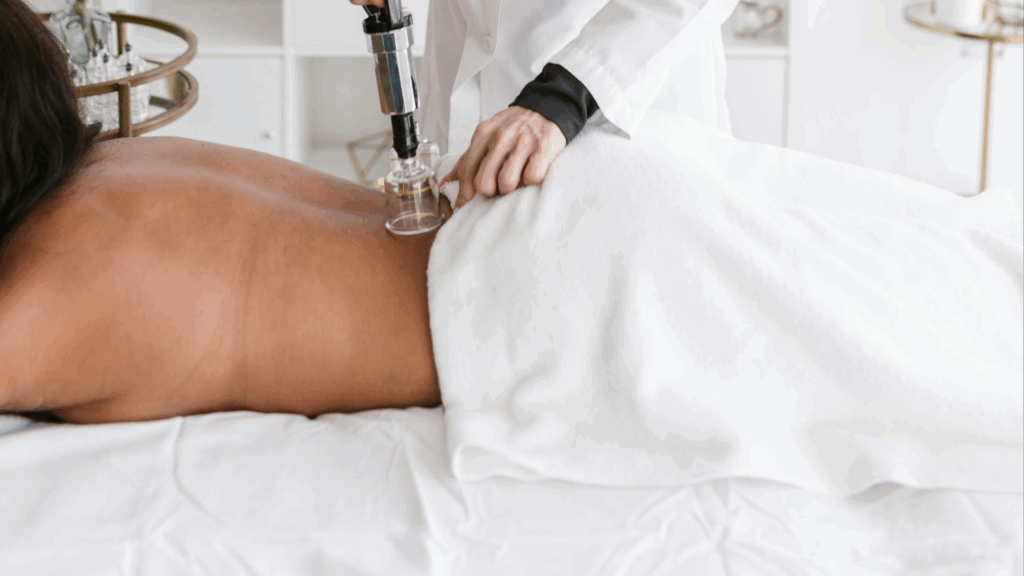
What Makes Hijama Different
Wet cupping, also known as Hijama, involves superficial incisions followed by suction to draw out stagnant blood. This means aftercare is slightly more structured than for dry cupping. Monitoring the incision sites, keeping them dry initially, and watching for any signs of infection are all standard parts of the process.
Mild swelling, a brief burning sensation, and minor oozing at the incision points are all expected responses. These are normal physiological reactions and not a cause for concern when treatment is performed professionally. A certified practitioner provides full aftercare instructions before and after every Hijama session.
Signs to Watch for After Hijama
Infection is rare when Hijama is carried out by a trained and certified practitioner. Signs worth monitoring include significant swelling, spreading redness, or persistent heat around the treated area. Any of these symptoms continuing beyond 48 hours should be raised with the practitioner promptly.
Who Should Be Cautious About Cupping
While there are many benefits of cupping therapy as it is broadly safe, but certain individuals benefit from a professional consultation beforehand:
- Those taking blood-thinning medications or anticoagulants
- Pregnant women, particularly during the first trimester
- People with active skin conditions, open wounds, or sunburn in the treatment area
- Anyone with a bleeding disorder or significantly compromised immune function
- Individuals with severe varicose veins in the intended treatment area
A thorough intake consultation with a qualified practitioner will identify any contraindications clearly. This step ensures that every session is both safe and genuinely appropriate for the individual. Practitioners trained in acupuncture and Chinese medicine are well placed to carry out this assessment as part of a holistic plan.
How to Minimise Side Effects With Good Aftercare
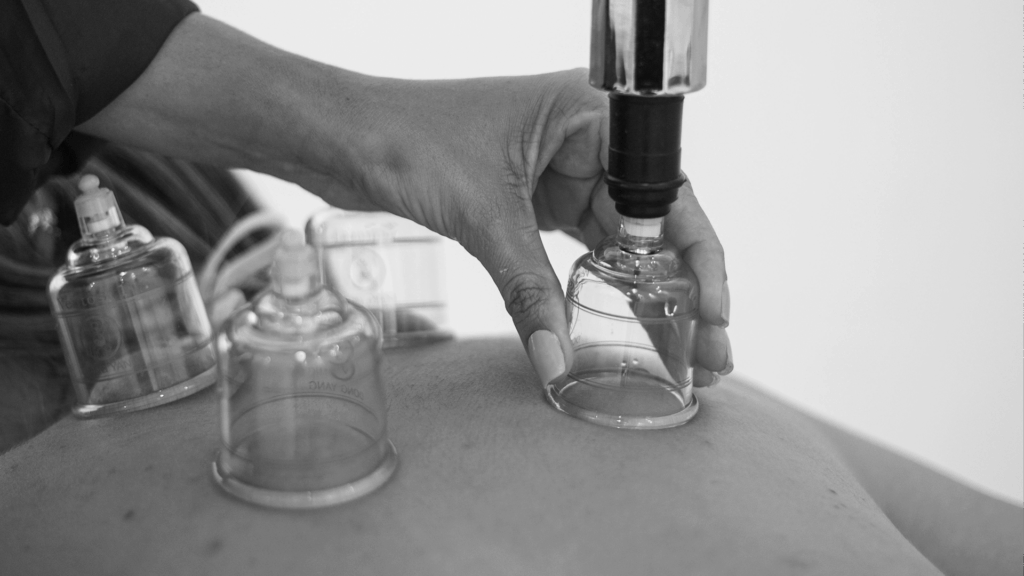
Rest, Warmth, and Hydration
The body continues processing and healing well after a cupping session ends. Drinking plenty of warm water and planning a restful few hours after treatment actively supports this process. Avoiding cold environments and cold drinks in the immediate aftermath is equally important.
Keeping treated areas warm prevents the muscles from tightening back up after release. Light movement, such as a short walk, is perfectly fine and even helpful. Strenuous physical activity, however, is best avoided for at least 24 hours after any cupping treatment.
Supporting the Whole Person
Cupping produces the strongest, most lasting results when the whole person is cared for. Combining sessions with mind, body and massage therapies deepens the restorative effects considerably. Addressing mental and emotional well-being alongside physical care leads to outcomes that genuinely last.
FAQs
What are the side effects of cupping therapy?
The most common side effects are circular skin marks, mild tenderness, and temporary fatigue. These are normal, expected responses and usually resolve within a few days. Serious side effects from professionally administered cupping are extremely uncommon.
How long do cupping marks last?
Most cupping marks fade fully within three to ten days after a session. Darker marks, which indicate more significant stagnation, may take slightly longer to clear. The colour of the mark has no bearing on whether the treatment was too intense.
Is cupping therapy painful?
Most people find cupping therapy deeply relaxing rather than uncomfortable or painful. The suction sensation can feel unfamiliar at first but rarely causes genuine distress. A qualified practitioner adjusts pressure levels throughout the session to suit individual comfort.
Can cupping cause bruising?
The circular marks from cupping are frequently mistaken for bruises but are physiologically distinct. A bruise forms from traumatic impact to the tissue, while cupping marks result from deliberate suction drawing blood to the surface. They look similar but are produced by entirely different mechanisms.
How often should you have cupping therapy?
Frequency depends on the individual’s health goals and how the body responds to treatment. Sessions every two to four weeks are common for general wellness and maintenance. A qualified practitioner will recommend a personalised schedule following an initial consultation.
The side effects of cupping therapy are overwhelmingly mild, temporary, and a natural part of the body’s healing response. Marks, tenderness, and fatigue are signs that treatment is working, not signs that something has gone wrong. With proper aftercare and a certified practitioner, cupping is a safe and deeply therapeutic experience for most people.
Understanding what to expect makes every session more comfortable and far more effective. The more informed the approach, the more confidently a person can commit to and benefit from regular treatment. Good preparation and honest communication with a practitioner make all the difference.
To experience professional cupping and Hijama therapy in a calm, expert setting, book a session at Serenova Treatments today. Every session is guided by a certified practitioner who puts safety, comfort, and results first. It is one of the most restorative things the body can be given.