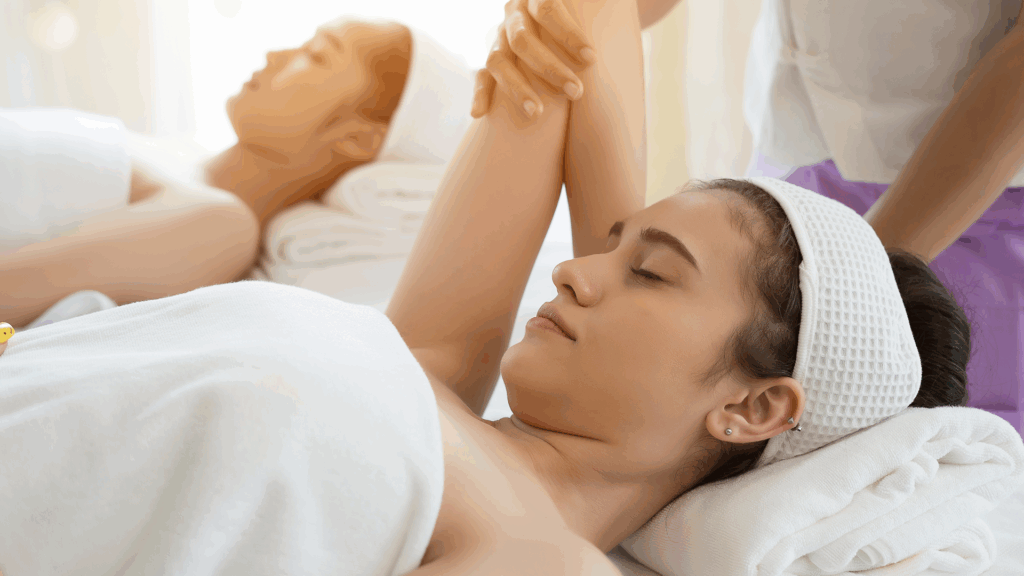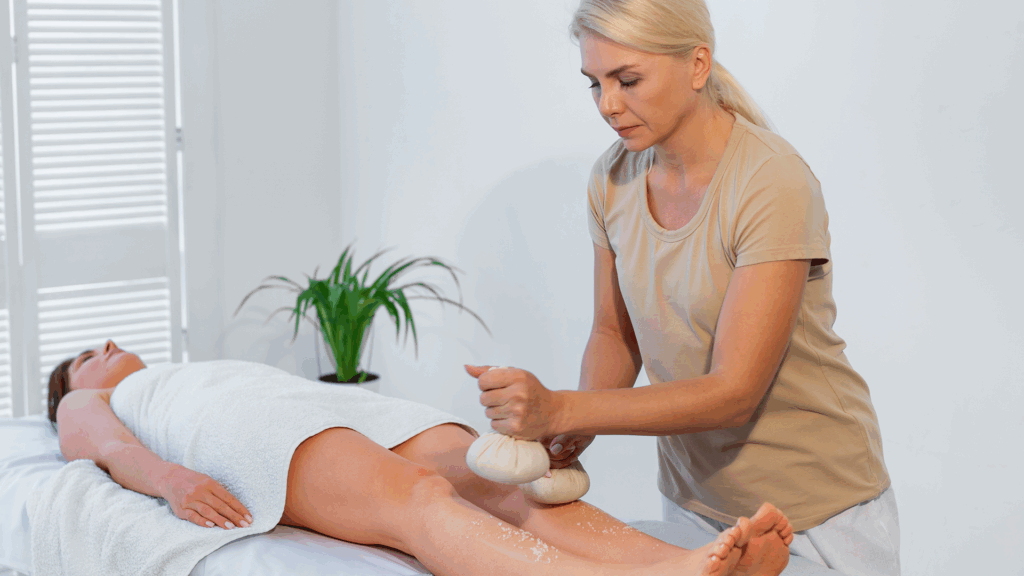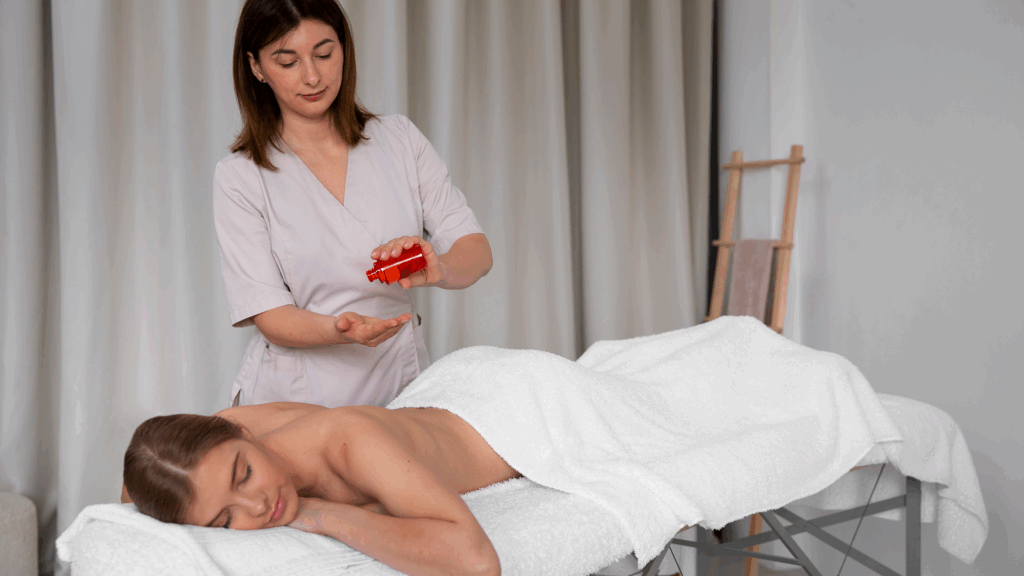

Training hard is only half the equation. How the body recovers matters just as much. Deep tissue massage has become a staple in sports recovery for good reason. It works where rest alone simply cannot.
Whether someone runs marathons or hits the gym three times a week, muscle tension builds up. Without proper treatment, that tension quietly chips away at performance. Deep tissue massage gets into the layers that stretching and foam rolling never quite reach, releasing tightness at the source and helping the body bounce back stronger.
Key Takeaways
- Deep tissue massage targets muscle layers that passive rest cannot reach.
- It reduces DOMS, breaks up adhesions, and restores range of motion.
- Timing matters: pre-event, post-training, and off-season sessions serve different purposes.
- It pairs well with cupping therapy and acupuncture for faster recovery.
- Regular sessions can reduce injury risk over time.
- Even non-competitive athletes benefit significantly from this therapy.
Why Muscles Need More Than Rest
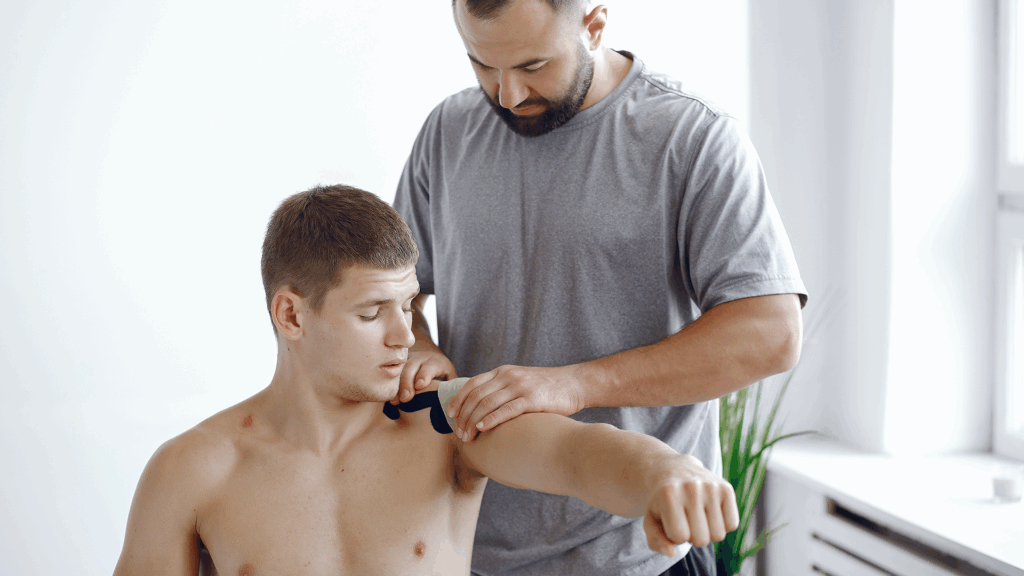
Hard training tears muscle fibres. That’s how strength is built. But without proper recovery, scar tissue forms and tension accumulates. Over time, this leads to restricted movement and a higher injury risk.
Sleep and nutrition help. But they don’t address tightness in specific muscle groups. They don’t break up adhesions or release trigger points. That’s where hands-on therapy becomes essential.
What Happens Inside the Muscle After Training
Intense exercise causes microscopic damage to muscle fibres. The body responds with inflammation and repair. This process creates waste products like lactic acid, which cause soreness.
Fascia, the connective tissue around muscles, can also tighten up. When it does, it restricts blood flow and limits movement. Deep tissue massage directly addresses both of these issues.
How Deep Tissue Massage Supports Sports Recovery
Speeds Up Muscle Repair
Massage stimulates blood circulation in targeted areas. This brings fresh oxygen and nutrients to damaged tissue. It also helps clear metabolic waste more efficiently.
The result is faster repair and less downtime between sessions. Athletes often notice they can train again sooner after a regular massage. That consistency compounds over a season.
Reduces DOMS
Delayed onset muscle soreness peaks 24 to 72 hours after exercise. It can significantly limit training capacity. Deep tissue massage has been shown to reduce its intensity and duration.
Firm, sustained pressure encourages muscle fibres to relax. It reduces the inflammatory response without suppressing the healing process entirely. The body recovers, just faster.
Improves Flexibility and Range of Motion
Tight muscles limit how far joints can move. This affects performance and increases strain on surrounding structures. Deep tissue work releases these restrictions at the source.
Regular sessions improve overall flexibility over time. Runners notice it in their hip flexors. Swimmers feel it in their shoulders. The benefits are both immediate and cumulative.
Addresses Injury-Prone Areas
Most athletes have recurring problem spots. For many, it’s the lower back, hamstrings, IT band, or calves. Deep tissue massage can be directed precisely to these areas.
It breaks up existing adhesions and prevents new ones from forming. Treating these spots consistently reduces the likelihood of a full injury developing. It’s a form of maintenance, not just treatment.
When to Get a Deep Tissue Massage
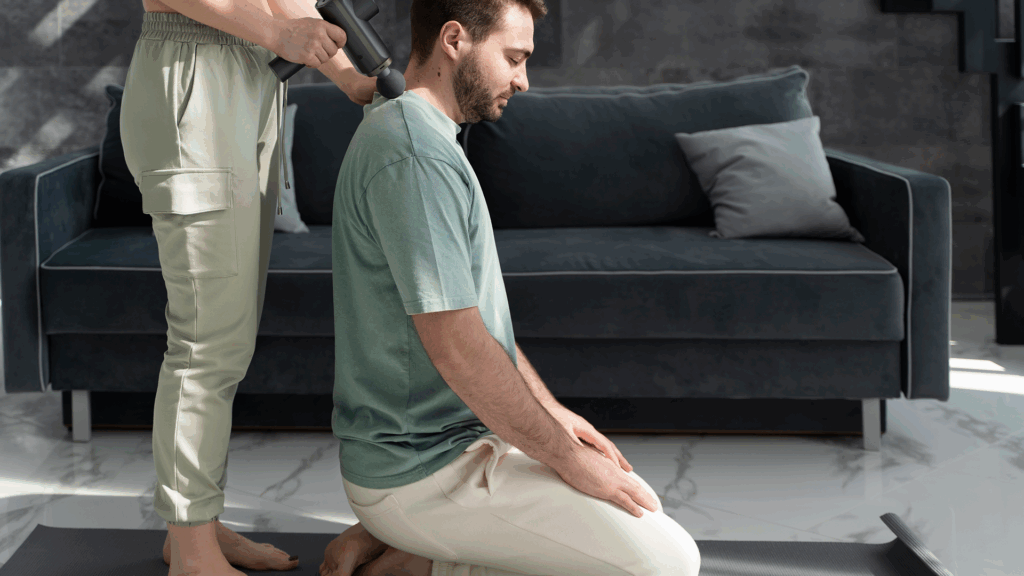
Timing the session correctly makes a real difference to how effective it is.
Before a Big Event
A lighter deep tissue session two to three days before competition works well. It loosens tight areas without leaving the muscles fatigued. Avoid deep work within 24 hours of competing.
After Intense Training
The 24 to 48-hour window after hard training is ideal. Muscles are in the repair phase and respond well to stimulation. A post-training session can significantly cut recovery time.
During the Off-Season
This is the best time for deeper, more intensive work. There’s no performance pressure and the body can absorb more aggressive treatment. Structural issues built up over a season can be properly addressed.
What to Expect in a Sports Recovery Session
A session typically runs 60 to 90 minutes. The therapist will ask about training load, problem areas, and any injuries. This shapes the entire approach.
Pressure will be firm and targeted. Some areas may feel tender, especially around adhesions or trigger points. That sensation is normal and usually eases quickly.
Soreness for 24 to 48 hours after is common. Staying hydrated helps the body process the changes. Light movement on the following day is usually beneficial.
Complementary Therapies That Enhance Recovery
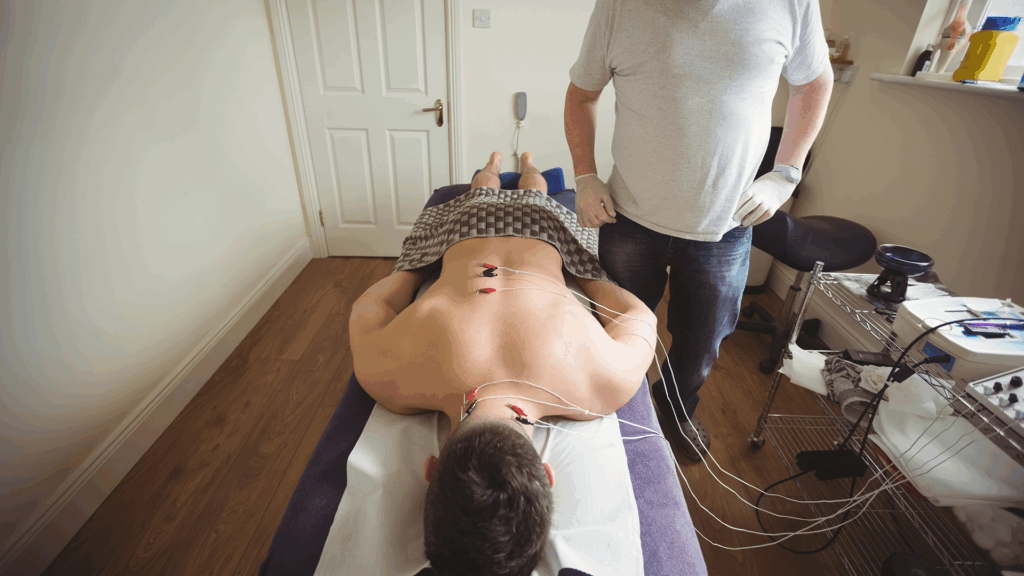
Deep tissue massage works even better alongside other therapies.
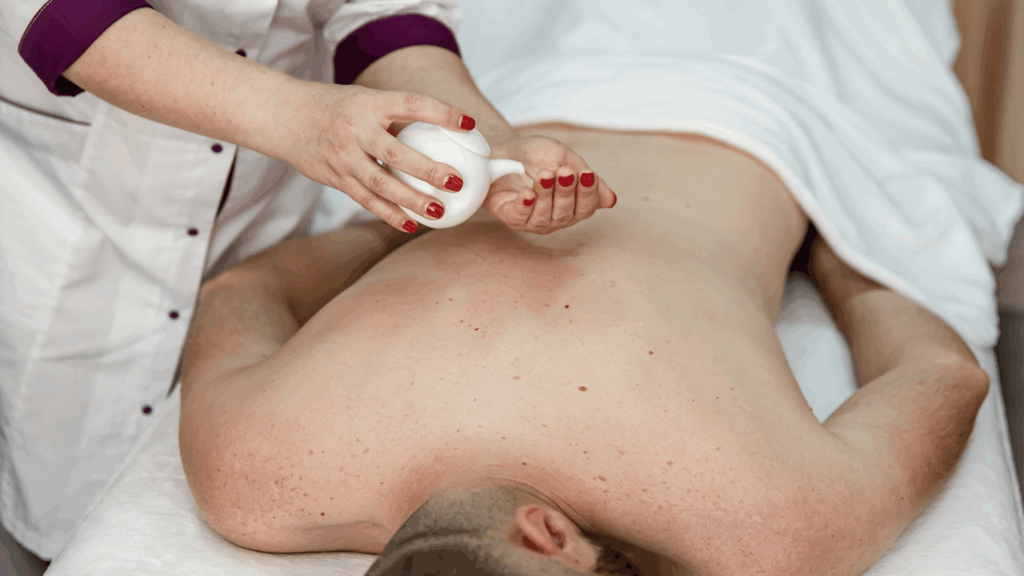
Cupping and Hijama therapy are a strong pairing for athletes. Where massage compresses tissue, cupping decompresses it. The combination improves circulation and reduces muscle stiffness faster than either alone. Many athletes use both within the same recovery window.
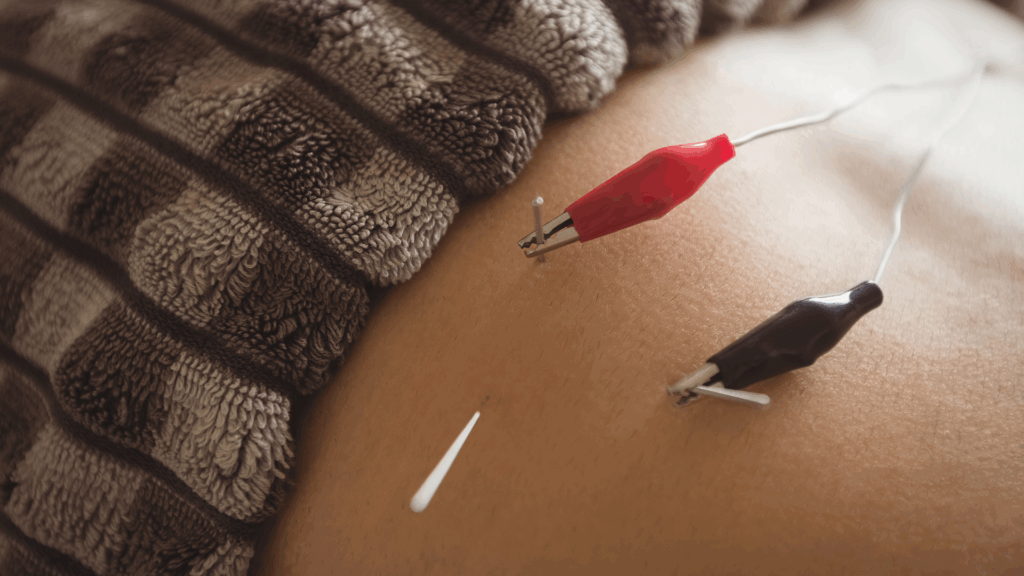
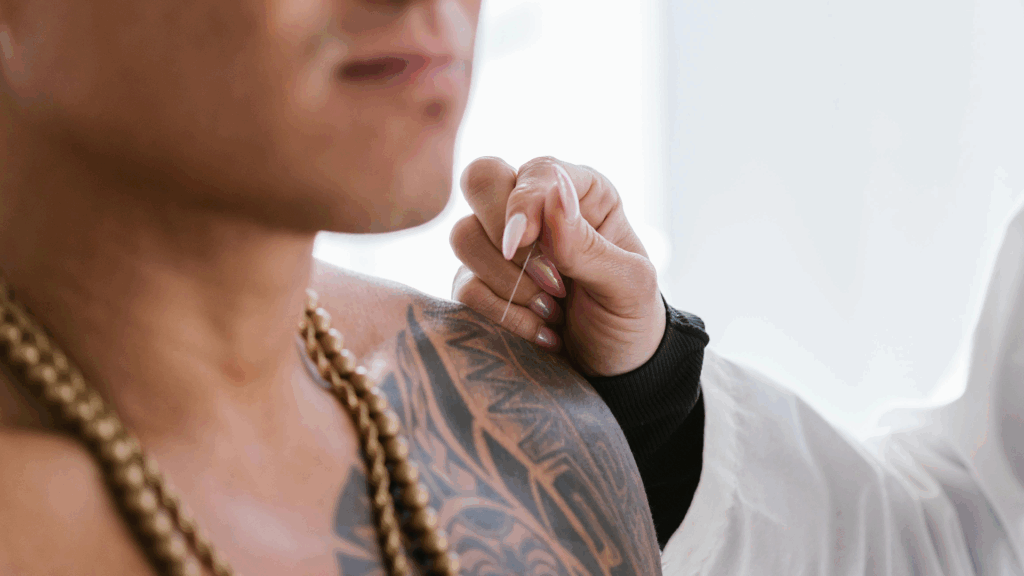
Acupuncture addresses the neurological side of pain and tension. It’s particularly useful for chronic problem areas that don’t fully respond to massage alone. Research also points to acupuncture’s role in reducing inflammation, which is a core part of sports recovery.
For athletes dealing with burnout or overtraining syndrome, massage therapy combined with Reiki healing can support nervous system recovery. Physical and mental fatigue often go hand in hand. Treating both leads to a more complete restoration.
FAQs
How soon after exercise should a deep tissue massage be booked?
Waiting 24 to 48 hours after intense training is generally recommended. This allows the initial inflammatory response to settle. A session too soon can feel overly uncomfortable and may not be as effective.
Is deep tissue massage suitable for all sports?
Yes. It benefits athletes across disciplines, from endurance sports to strength training. The therapist will tailor the session to the specific demands of the sport and the individual’s problem areas.
How is deep tissue massage different from a sports massage?
Sports massage is a broader category that draws on multiple techniques. Deep tissue massage is one of those techniques, applied with sustained, targeted pressure. Not every sports massage goes as deep, and not every deep tissue massage is framed around sport.
Can deep tissue massage prevent sports injuries?
It can significantly reduce the risk. By releasing tension, improving flexibility, and breaking up adhesions before they become serious, regular massage keeps the body in better working order. It’s a proactive tool, not just a reactive one.
How often should athletes get a deep tissue massage?
During an active training cycle, every two to three weeks is a common rhythm. During intense blocks or competition season, weekly sessions may be more appropriate. Off-season is a good time for more intensive, less frequent work.
Will it hurt?
It can be uncomfortable in tight areas. A skilled therapist will adjust pressure based on feedback. The sensation should feel purposeful, not sharp. Open communication during the session is always encouraged.
Athletes put serious demands on their bodies. They deserve serious recovery. Whether training for competition or simply staying active, consistent bodywork makes a measurable difference. Book a session at Serenova Wellness and build recovery into the training plan, not just an afterthought.