
Some pain doesn’t live at the surface. The stiff neck, the nagging low back ache, the shoulders that never quite unknot. That kind of tension runs deep. Deep tissue massage reaches it.
It’s a therapeutic technique that goes beyond relaxation, targeting the underlying layers of muscle and connective tissue to address chronic pain, break down adhesions, and restore movement. Here’s how it works, what it helps with, and what to expect from a session.
Key Takeaways
- Deep tissue massage targets the deeper layers of muscle and fascia, making it ideal for chronic pain and tension.
- It differs from Swedish massage in its pressure level, pace, and therapeutic intent.
- Key benefits include pain relief, improved circulation, better posture, and reduced stress.
- A session typically lasts 60–90 minutes; mild soreness afterwards is normal and short-lived.
- It pairs well with complementary therapies like cupping, acupuncture, and Reiki for deeper results.
- Not everyone is a suitable candidate; certain health conditions require extra caution.
What Is Deep Tissue Massage?

Deep tissue massage is a hands-on therapy that uses slow, deliberate strokes and firm, sustained pressure to reach the deeper layers of muscle fibres, tendons, and fascia, the connective tissue that wraps around and between muscles.
The technique primarily addresses areas of chronic tension, muscle knots (also known as adhesions), and restricted movement. Rather than gliding across the surface of the skin, a trained therapist works methodically into the tissue, layer by layer, until they reach the source of the problem.
How It Differs from Swedish Massage
Both are forms of massage therapy, but they serve different purposes. Swedish massage uses long, flowing strokes at a lighter to moderate pressure, and it’s excellent for general relaxation and stress relief. Deep tissue massage, on the other hand, applies considerably more pressure at a slower pace, with a clear clinical aim: releasing deep-seated tension and breaking up scar tissue or adhesions.
The experience can feel more intense. That’s expected. A well-trained therapist will always check in about pressure and work within a client’s tolerance. Discomfort should feel productive, never sharp or unbearable.
The Core Benefits of Deep Tissue Massage
Chronic Pain and Muscle Tension Relief
This is where deep tissue massage truly earns its reputation. People dealing with persistent lower back pain, sciatica, neck stiffness, and shoulder tightness often find significant relief through regular sessions. By breaking up adhesions and releasing tightly contracted muscle fibres, the massage reduces the pressure on surrounding nerves and improves how the muscle actually functions.
Research supports this. Studies have found that deep tissue massage can meaningfully reduce pain scores for conditions like non-specific lower back pain, often outperforming conventional treatments alone.
Better Circulation and Faster Recovery
Tight, compressed muscles restrict blood flow. When circulation drops in an area, it takes longer for oxygen and nutrients to arrive, and for metabolic waste to clear out. Deep tissue massage manually stimulates circulation, flushing the tissue and accelerating the body’s natural recovery process. This makes it especially popular for athletes and those recovering from physical strain or injury.
Stress and Mental Health Support
Chronic muscle tension and mental stress are deeply intertwined. Releasing physical tension through massage can trigger a measurable drop in cortisol (the stress hormone) and a corresponding rise in serotonin and oxytocin. Many people walk out of a deep tissue session feeling not just physically lighter, but noticeably calmer and more grounded.
Improved Mobility and Posture
Tight muscles and fascial restrictions limit range of motion in ways people often don’t even realise until it’s addressed. Regular deep tissue work can loosen these restrictions, improve flexibility, and help correct postural imbalances, particularly helpful for those who spend long hours sitting or who have repetitive strain from sport or occupation.
Deep Tissue Massage Techniques Explained

Slow Strokes and Direct Pressure
The foundational technique involves moving slowly across muscle fibres using the thumbs, knuckles, forearms, or elbows. The pace is deliberate. Rushing defeats the purpose, as the tissue needs time to soften and yield under sustained pressure.
Friction and Cross-Fibre Work
Friction techniques apply pressure perpendicular to the direction of the muscle fibres. This is particularly effective for breaking down scar tissue and adhesions that form after injury or repetitive strain. It can feel intense, but is often the most transformative part of the session.
Trigger Point Therapy
Trigger points are specific, hyper-irritable spots within a muscle that refer pain to other areas of the body. A skilled therapist identifies these and applies sustained pressure until the point of release, which can bring almost immediate relief from referred pain patterns.
What to Expect During a Session
Before Your Appointment
Arrive hydrated, and avoid a heavy meal beforehand. The therapist will begin with a consultation, asking about areas of concern, medical history, pain levels, and treatment goals. This shapes the entire session.
During the Treatment
A typical session runs between 60 and 90 minutes. The therapist will use a combination of the techniques described above, adjusting pressure based on feedback. Communication is key. Speaking up about pressure is always encouraged, not seen as being difficult.
Some discomfort is normal, particularly around tight areas or trigger points. A helpful mental benchmark: the pressure should feel like a “good hurt”: noticeable but not distressing.
After the Massage
Mild soreness in the treated areas is common and usually resolves within 24–48 hours. Drinking plenty of water after the session helps the body process the metabolic changes. Avoiding strenuous exercise that day is also wise.
Who Is It Best For?
Deep tissue massage tends to work particularly well for:
- People with chronic muscle pain, stiffness, or tension
- Athletes recovering from training or injury
- Those with postural imbalances from desk work or repetitive tasks
- Individuals dealing with stress-related muscle tightness
- People recovering from soft tissue injuries
When to Avoid Deep Tissue Massage
Deep tissue massage isn’t suitable for everyone in all circumstances. It’s worth checking with a healthcare provider first if there is:
- Active inflammation, infection, or open wounds
- Blood clotting disorders or use of blood thinners
- Osteoporosis or fragile bones
- Recent surgery
- Pregnancy (specialist prenatal massage is a better option)
- Active cancer in the area to be treated
Pairing Deep Tissue Massage With Complementary Therapies
Deep tissue massage is powerful on its own, but many people find it even more effective as part of a broader holistic care plan. At Serenova Wellness, it sits alongside a range of treatments designed to support the whole body.
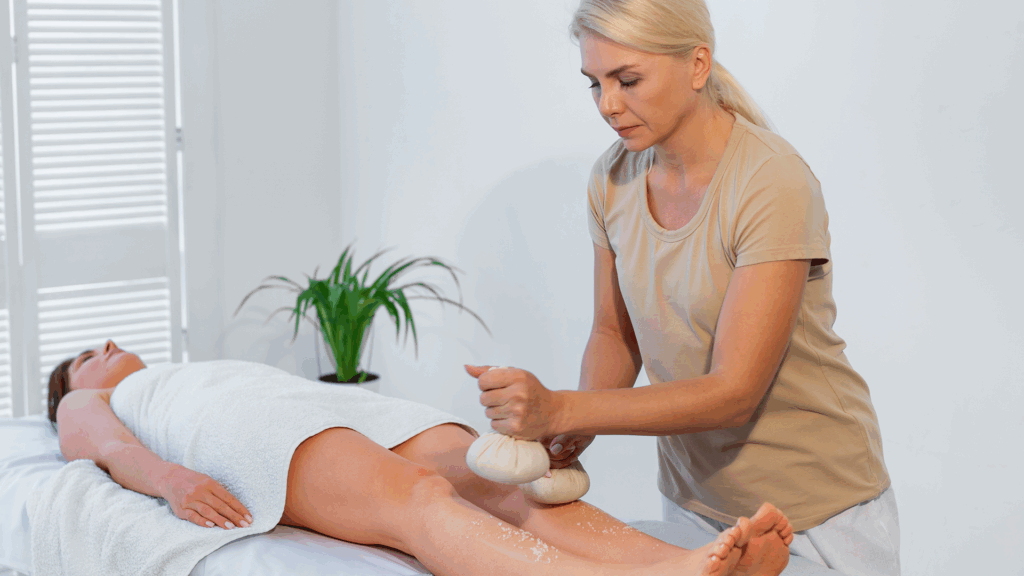
Cupping & Hijama therapy is a natural companion to deep tissue work. Where massage pushes down into the tissue, cupping lifts it, decompressing the fascia and drawing blood flow to stagnant areas. Many clients find that combining both produces faster results for pain relief and mobility.
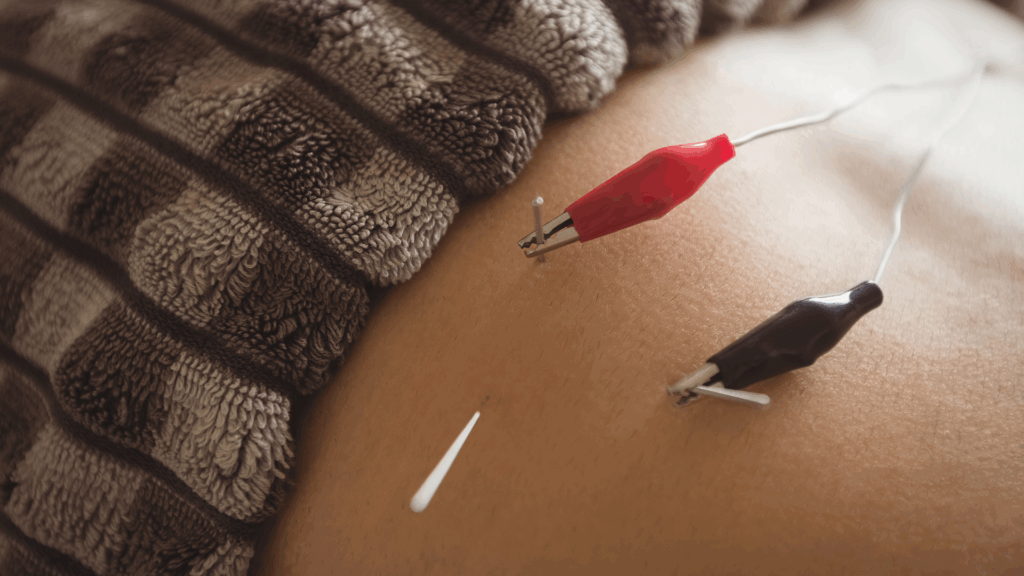
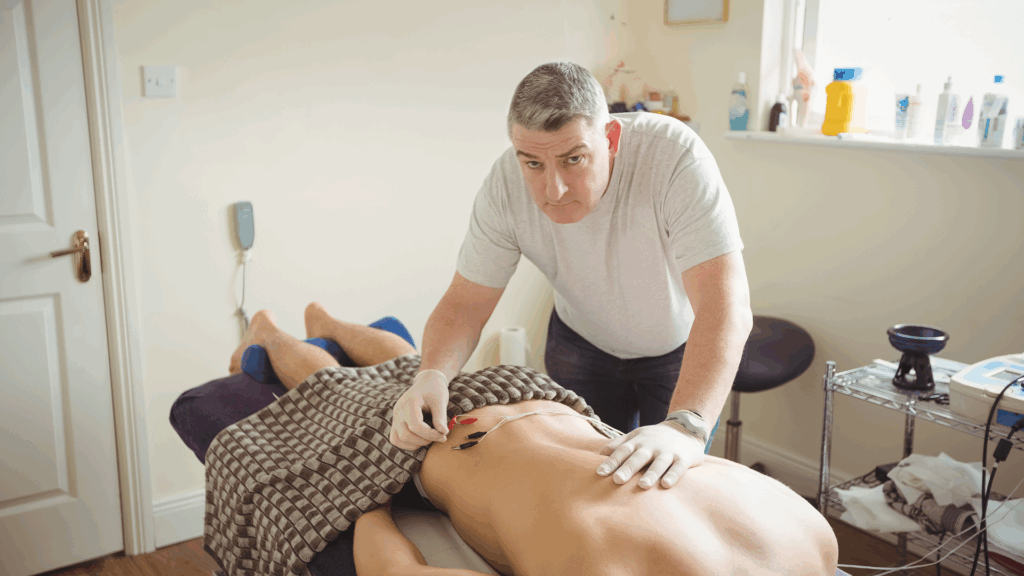
Acupuncture can address the neurological and energetic dimensions of chronic pain, particularly when tension has become deeply patterned. It’s also been shown to play a significant role in reducing inflammation, which often underlies persistent muscle tightness.
For those dealing with stress, burnout, or emotional exhaustion alongside physical tension, Reiki healing offers a gentle but deeply restorative complement, calming the nervous system and supporting the emotional release that sometimes accompanies bodywork.
FAQs
How often should deep tissue massage be done?
For chronic issues, starting with weekly or fortnightly sessions often produces the best results. Once the tension has been addressed, monthly maintenance sessions are usually enough to keep things balanced.
Is deep tissue massage painful?
It can be intense, especially in areas of significant tension. But a good therapist will always calibrate to the client’s comfort. Soreness after a session is normal actual pain during the session is a signal to communicate and adjust pressure.
How is deep tissue massage different from sports massage?
Sports massage is a broader term that combines various techniques including deep tissue methods with a specific focus on athletic performance, warm-up, and recovery. Deep tissue massage is a specific technique that can be used within a sports massage but also applies far beyond athletic contexts.
Can deep tissue massage help with posture?
Yes. Tight muscles and fascial restrictions are a significant contributor to poor posture. By releasing these areas, deep tissue work can help the body fall into more natural alignment over time especially when combined with awareness of movement habits.
How long does it take to feel the benefits?
Some people notice a difference after a single session. For deeply chronic conditions, it may take three to six sessions before significant improvement is felt. Consistency matters more than any single appointment.
Can deep tissue massage help with anxiety?
Indirectly, yes. The physical release of chronic muscle tension has a direct calming effect on the nervous system. Many people report a notable improvement in their mental state following a session, particularly when bodywork is part of a wider wellbeing routine.
Deep tissue massage is one of those treatments that’s hard to fully understand until it’s experienced firsthand. For anyone who has been carrying chronic tension, recovering from injury, or simply struggling to feel at ease in their body, it can be genuinely life-changing. Book a session at Serenova Wellness and take the first step toward lasting relief.