Acupuncture works best when it works with your body. Your menstrual cycle moves through four distinct phases. Each one creates a different hormonal and energetic environment.
Timing your acupuncture sessions to match these phases can improve your results. It helps your practitioner target exactly what your body needs right now. This guide breaks down each phase and what acupuncture can do during it.
Key Takeaways
- Your cycle has four phases, each with its own hormonal character.
- Acupuncture can be beneficial at any phase, not just one.
- Timing sessions to your cycle helps your practitioner work more precisely.
- Consistent treatment across the full cycle produces the best long-term results.
- Understanding your cycle puts you in control of your own hormonal health.
Why Cycle Timing Matters in Acupuncture

In Traditional Chinese Medicine, the body is not static. It shifts constantly through states of building, moving, releasing, and restoring. The menstrual cycle mirrors this rhythm almost perfectly.
A practitioner who understands your cycle phase can choose points that support what your body is already doing. This makes each session more targeted and more effective. It is a more intelligent approach than treating every visit the same way.
This is especially relevant if you are using acupuncture to regulate your menstrual cycle. Aligning treatment to your cycle amplifies the results over time.
The Four Phases of the Menstrual Cycle
Phase One: Menstruation (Days 1 to 5)
What Is Happening in Your Body
Oestrogen and progesterone drop to their lowest levels. The uterine lining sheds. This is a time of release and downward movement in the body.
Energy naturally turns inward during this phase. Many women feel more tired or sensitive. That is entirely normal and worth honouring.
What Acupuncture Does During Menstruation
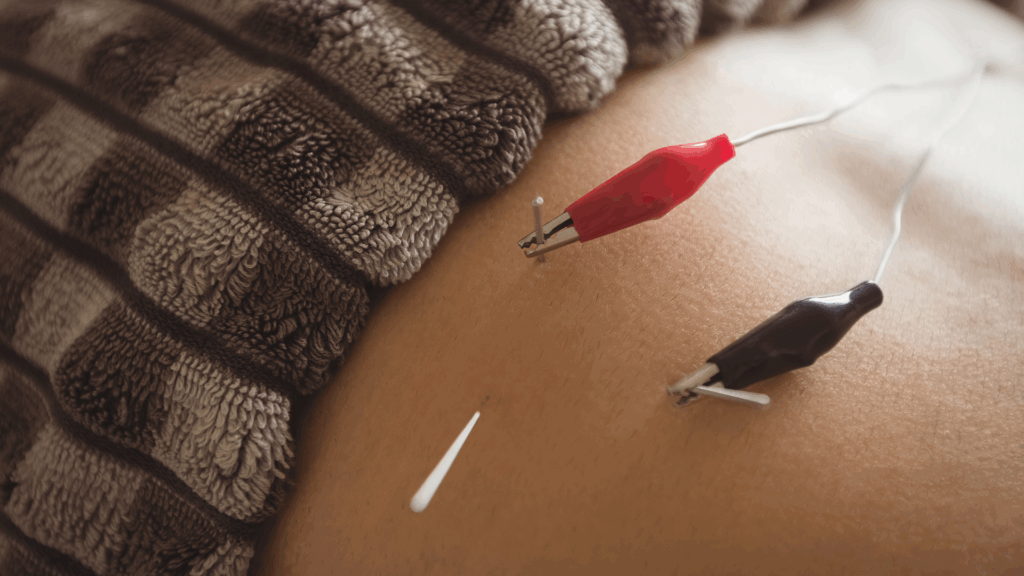
Acupuncture during this phase focuses on supporting smooth, complete shedding. It helps ease cramping, reduce heaviness, and calm the nervous system. It also encourages any stagnant Blood to move freely.
For women with painful or heavy periods, this is often the most impactful time to be treated. It directly addresses the symptoms as they occur. It also prevents stagnation from carrying into the next cycle.
Treatment at this stage pairs well with cupping and Hijama therapy for women dealing with significant pelvic tension or pain.
Phase Two: The Follicular Phase (Days 6 to 13)
What Is Happening in Your Body
Oestrogen begins to rise. The body shifts into a building mode. A follicle matures in the ovary as ovulation approaches.
Energy increases during this phase. Many women feel clearer, more motivated, and physically stronger. It is the body’s natural renewal period.
What Acupuncture Does During the Follicular Phase
This phase is about nourishment and building. Acupuncture here focuses on supporting Blood and Yin. In TCM terms, this means supporting the growth of the uterine lining and healthy follicle development.
For women trying to conceive, this is a critical window. Good follicular phase support underpins everything that follows. It also connects closely to the work done through fertility acupuncture.
For women focused on cycle regulation, this phase helps lay the foundation for a smoother ovulation and a more predictable cycle going forward.
Phase Three: Ovulation (Days 14 to 16)
What Is Happening in Your Body
LH surges and triggers the release of a mature egg. Oestrogen peaks just before ovulation. Energy is at its highest point in the cycle.
This is a short but significant window. It marks the midpoint of the cycle. Everything before has been building toward this moment.
What Acupuncture Does Around Ovulation
Acupuncture at this stage supports the smooth transition from the follicular to the luteal phase. It encourages the free movement of Qi and Blood, helping ovulation complete without obstruction. For women with irregular ovulation or PCOS, this phase deserves particular attention.
Stress levels around ovulation can interfere with the LH surge. Acupuncture helps calm the nervous system at exactly this point. This directly supports reproductive health and improves the chance of successful ovulation.
Phase Four: The Luteal Phase (Days 17 to 28)
What Is Happening in Your Body
Progesterone rises to support a potential pregnancy. The body moves into a warming, consolidating mode. If conception does not occur, hormones drop and menstruation begins.
This phase is often where symptoms appear. PMS, mood changes, bloating, and breast tenderness are all common. They signal that the luteal phase is not as balanced as it could be.
What Acupuncture Does During the Luteal Phase?
Acupuncture here focuses on warming and supporting Yang energy. It helps sustain adequate progesterone activity and calms the nervous system. This directly reduces PMS symptoms and emotional volatility in the second half of the cycle.
A short luteal phase is one of the most common hidden causes of cycle irregularity. Acupuncture can help lengthen and stabilise it over consecutive cycles. This has meaningful implications for both cycle health and conception.
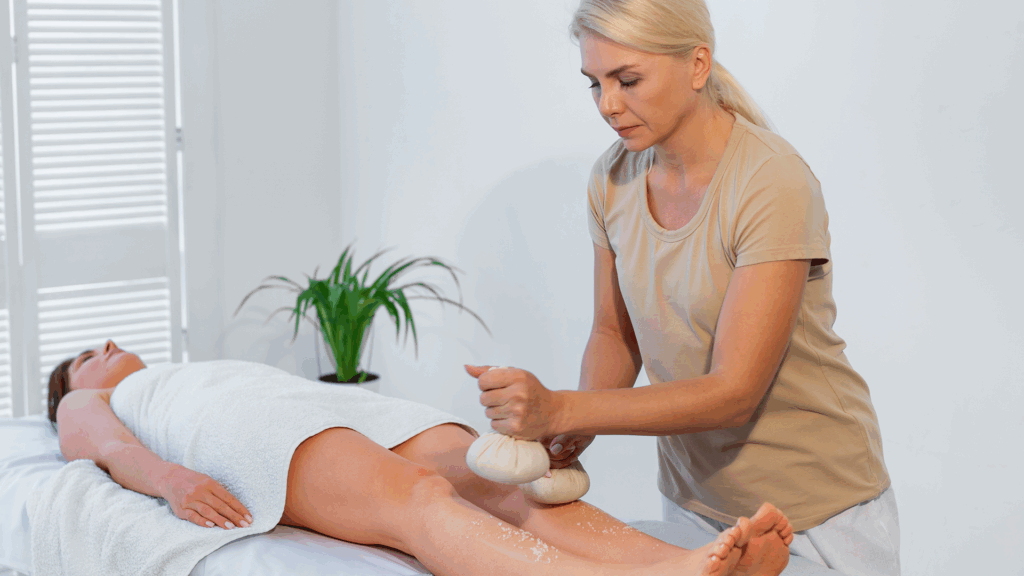
The luteal phase is also when stress has its biggest hormonal impact. Treating with acupuncture for the nervous system helps protect the cycle from cortisol disruption. Pairing sessions with mind-body therapies like massage or Reiki further deepens this effect.
How Often Should You Have Acupuncture Across Your Cycle?
There is no single answer. It depends on your goals and your current cycle health.
A common approach for cycle regulation looks like this:
- Week 1 (menstruation): One session to support shedding and ease pain
- Week 2 (follicular): One session to nourish and build
- Week 3 (ovulation): One session to support smooth transition
- Week 4 (luteal): One session to stabilise and calm
Some women begin with weekly sessions and reduce frequency once the cycle stabilises. Others focus their sessions on the phase where their symptoms are heaviest. Your practitioner will guide you based on your individual pattern.
If you are new to treatment, our guide on what to wear and bring to your acupuncture appointment is a helpful first step.
Tracking Your Cycle Makes Treatment More Effective

The more you know about your cycle, the more your practitioner can help. Even basic tracking gives valuable information.
Useful things to note include:
- The length of each phase
- When you ovulate (or whether ovulation is unclear)
- Where symptoms appear and how severe they are
- Any mid-cycle spotting, pain, or discharge changes
- How your energy and mood shift across the month
This information helps your practitioner identify which phase needs the most support. It also shows whether treatment is working over time.
Frequently Asked Questions
Is there a phase when acupuncture is not recommended?
Acupuncture is generally safe throughout the entire cycle. Your practitioner may simply adjust the points used depending on the phase. There is no phase where treatment is off-limits for most women.
What if my cycle is irregular and I cannot track phases easily?
Your practitioner can work with whatever information you have. Even irregular cycles have patterns worth noting. Tracking symptoms rather than dates can be just as useful in guiding treatment.
Can I have acupuncture if I am trying to conceive?
Yes, and cycle-timed acupuncture is particularly valuable in this context. Each phase of the cycle plays a role in conception. Consistent treatment across all four phases supports both ovulation and implantation.
How soon will I notice a difference?
Many women notice changes within two to three cycles of consistent treatment. The luteal phase and period itself often improve first. Full cycle regulation typically takes a little longer.
Can acupuncture help if I have no idea where I am in my cycle?
Absolutely. Your practitioner will assess your current state through pulse, tongue diagnosis, and symptom history. They can identify your likely phase and treat accordingly without a perfect cycle chart.
Your menstrual cycle is not just a monthly inconvenience. It is a detailed map of your hormonal health. Learning to work with it rather than around it changes everything.
Cycle-timed acupuncture is one of the most precise and effective tools for doing exactly that. Each session becomes more purposeful when it is matched to where you are in your cycle.
If you are ready to take a more intentional approach to your hormonal health, book a consultation with Serenova Treatments today. Your practitioner will assess your cycle, identify where support is needed most, and build a plan around you.