Reproductive health is about more than just getting pregnant. It’s about regular cycles, manageable periods, and feeling good in your body. Yet so many people struggle silently with reproductive issues.
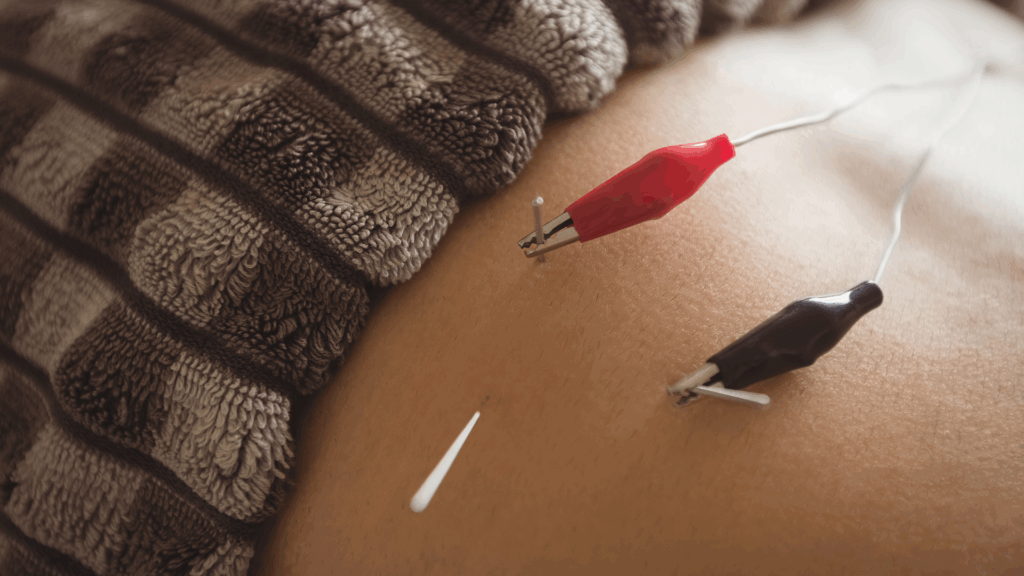
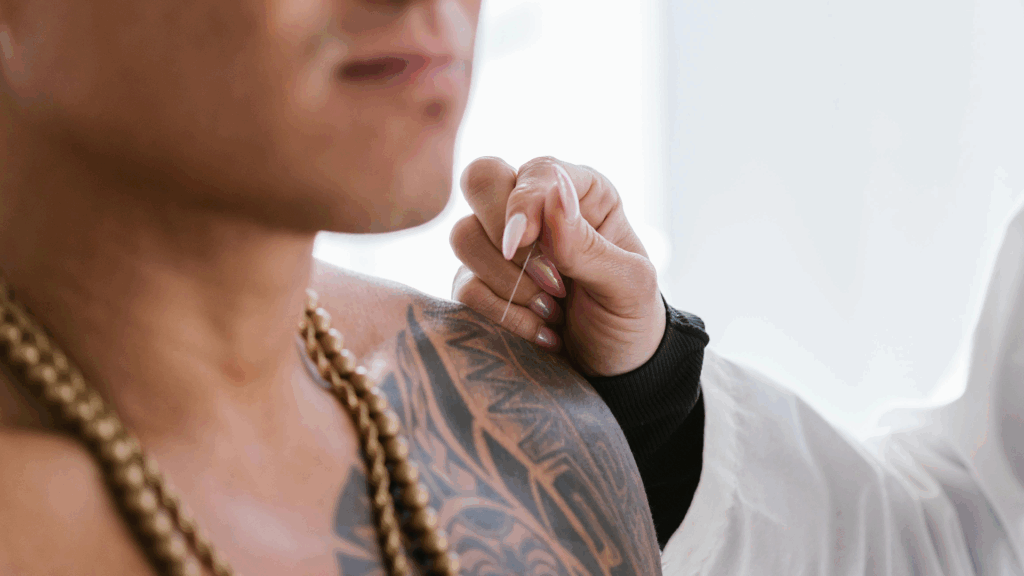
Acupuncture offers a gentle, holistic approach to reproductive wellness. Here’s how it can make a real difference.
Understanding Reproductive Wellness
Reproductive health encompasses everything from menstrual cycles to hormonal balance. When things work well, you barely notice. But when they don’t, it affects your entire life.
Pain, irregular periods, and hormonal chaos aren’t normal. You shouldn’t have to “just deal with it.” Acupuncture addresses root causes, not just symptoms.
How Acupuncture Works for Reproductive Health
Balancing Your Hormones
Your hormones orchestrate everything in your reproductive system. Oestrogen, progesterone, testosterone – they all need to work in harmony. When they’re out of balance, trouble follows.
Acupuncture for fertility influences your hypothalamic-pituitary-ovarian axis. That’s your body’s hormone control centre. By stimulating specific points, practitioners help regulate hormone production naturally.
Research shows acupuncture can normalise irregular hormone levels. It’s particularly effective for PCOS and irregular cycles. The effects are gradual but lasting.
Regulating Menstrual Cycles
Irregular periods are incredibly common, but they’re not inevitable. Whether your cycle is too long, too short, or completely unpredictable, acupuncture can help.
Studies show acupuncture helps establish more regular cycles. Many women see improvements within three to six months. The treatment also addresses heavy bleeding, spotting, and absent periods.
Reducing Period Pain
Period pain shouldn’t leave you curled up in bed. Yet dysmenorrhoea affects millions of women worldwide. Painkillers mask the problem without addressing the cause.
Acupuncture reduces period pain by targeting inflammation. It also improves blood flow to the uterus. Clinical trials show it significantly reduces menstrual pain intensity.
Some women experience relief after just a few sessions. Others need regular treatment for lasting results. Either way, it’s addressing the root cause.
Managing Endometriosis and PCOS
Endometriosis affects about 1 in 10 women. Acupuncture offers anti-inflammatory effects that help manage symptoms. It reduces pelvic pain and improves overall wellbeing.
For PCOS, acupuncture improves insulin sensitivity and reduces testosterone levels. It helps restore ovulation in many women. Combined with lifestyle changes, it offers real hope for managing these conditions.
Supporting Different Life Stages
Perimenopause and Menopause
Hot flushes, night sweats, mood changes, irregular periods. The transition to menopause can be rough. Your hormones are all over the place.
Acupuncture helps manage menopausal symptoms effectively. Studies show it reduces hot flush frequency and severity. It also improves sleep quality and emotional wellbeing.
Many women prefer this approach to hormone replacement therapy. It supports your body through this natural transition.
Stress and Reproductive Health
Stress wreaks havoc on your reproductive system. Cortisol disrupts hormonal balance and can delay or prevent ovulation. Chronic stress affects everything from libido to cycle regularity.
Acupuncture activates your parasympathetic nervous system. This triggers deep relaxation and reduces stress hormones. Lower stress levels support better reproductive function overall.
What to Expect From Treatment
Reproductive health acupuncture isn’t one-size-fits-all. Your practitioner creates a personalised protocol based on your specific needs. Initial consultations typically last 60-90 minutes.
Treatment frequency depends on your condition. Acute issues might need twice-weekly sessions initially. Chronic conditions often require weekly treatment for months.
Most people see initial improvements within 4-8 weeks. Significant changes typically take three to six months. Consistency is key for reproductive health concerns.
Combining Approaches
Acupuncture works beautifully alongside conventional medical care. It complements medications, surgery, and other treatments. Always keep all your healthcare providers informed.
Lifestyle factors amplify acupuncture’s benefits. Nutrition, exercise, sleep, and stress management all matter. A holistic approach yields the best results.
The Evidence Base
Research into acupuncture for reproductive health continues to grow. Systematic reviews show benefits for period pain, PCOS, and menopausal symptoms. Evidence quality is improving with larger studies.
Hormonal changes are measurable through blood tests. Both objective and subjective measures show positive results. It’s not alternative medicine – it’s integrative care.
Taking Control of Your Reproductive Health
Reproductive health issues don’t have to control your life. Whether dealing with painful periods, hormonal imbalances, or menopausal symptoms, help is available. Acupuncture offers a safe, effective approach to reproductive wellness.
Serenova Wellness offers specialist acupuncture for reproductive health concerns. The experienced team understands the complex interplay of hormones, cycles, and overall well-being. Treatment plans are tailored to your individual needs.Whether managing PCOS, reducing period pain, or supporting menopausal transition, Serenova provides comprehensive care. Ready to take control of your reproductive health? Contact Serenova Wellness to schedule your consultation and start your journey towards hormonal balance.