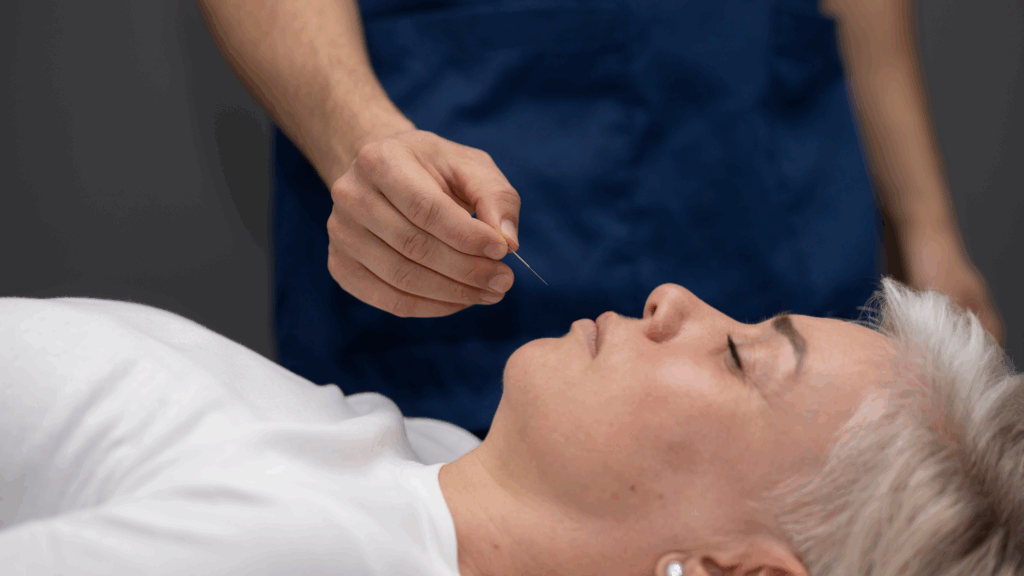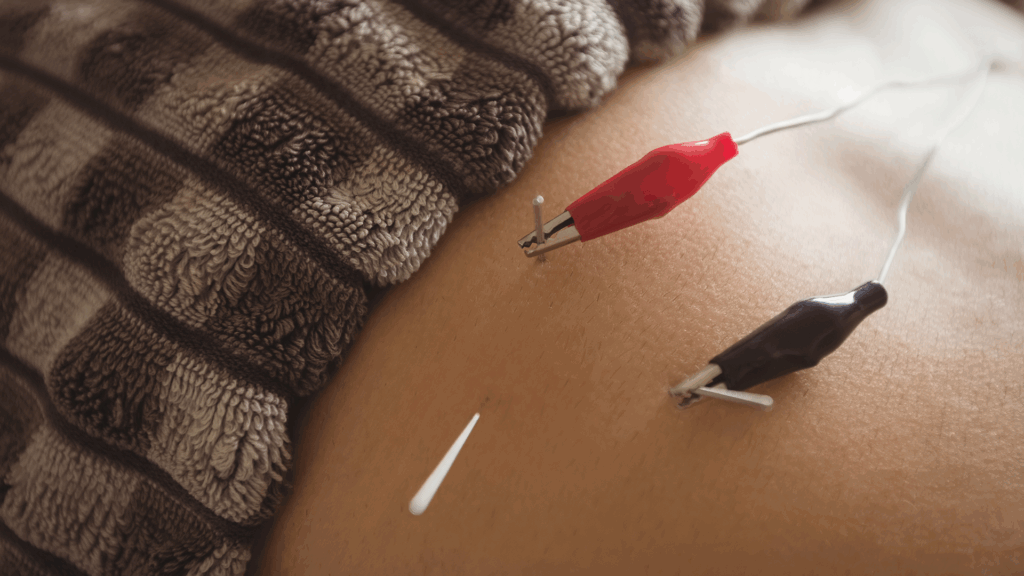

Starting IVF is one of the most hopeful and emotionally demanding decisions a person can make. Questions about complementary support arise quickly, and acupuncture comes up repeatedly.
The evidence base has grown considerably over the last two decades, and what researchers increasingly agree on is that the benefits are not simply about what happens on the day of embryo transfer. It is about the whole arc of treatment and, above all, when each session takes place. Timing is not a minor detail. It is arguably the most important factor in making acupuncture genuinely useful within an IVF cycle.
This guide explores the science behind fertility acupuncture and breaks down the IVF timeline phase by phase.
Key Takeaways
- Start early. Beginning acupuncture 8-12 weeks before your IVF cycle allows time to improve egg quality, regulate hormones, and build uterine receptivity.
- Each phase has a different purpose. Sessions during stimulation, around egg retrieval, on transfer day, and in the two-week wait all target different physiological goals.
- Stress reduction is significant. Chronic stress suppresses reproductive hormones. Acupuncture’s effect on the nervous system makes it clinically relevant, not just a relaxation tool.
- Consistency counts. One or two sessions around transfer day is far less effective than a planned, ongoing course. Acupuncture is cumulative in its action.
- Always work alongside your clinic. Acupuncture complements but does not replace your medical team.
How Acupuncture Supports the IVF Process
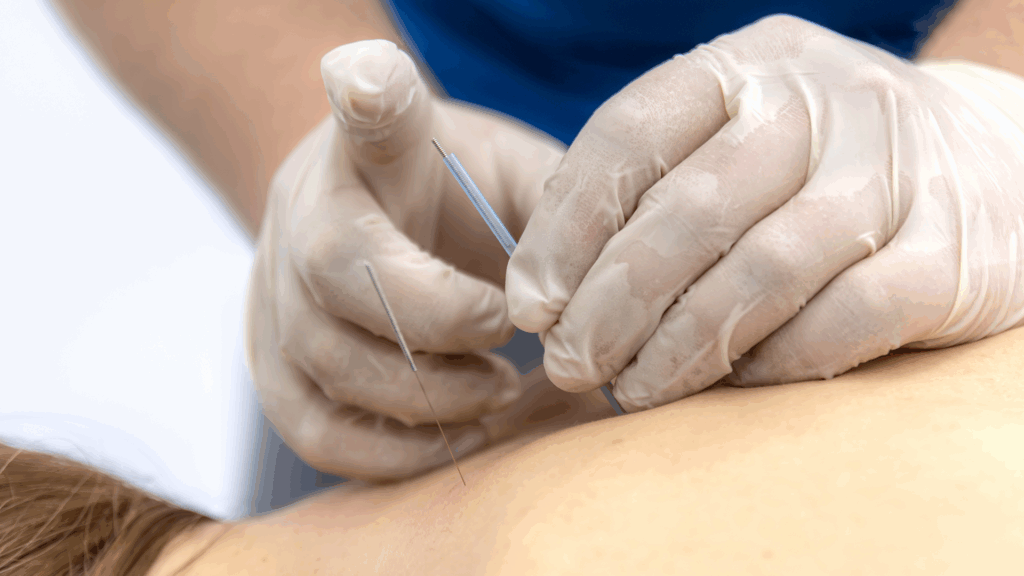
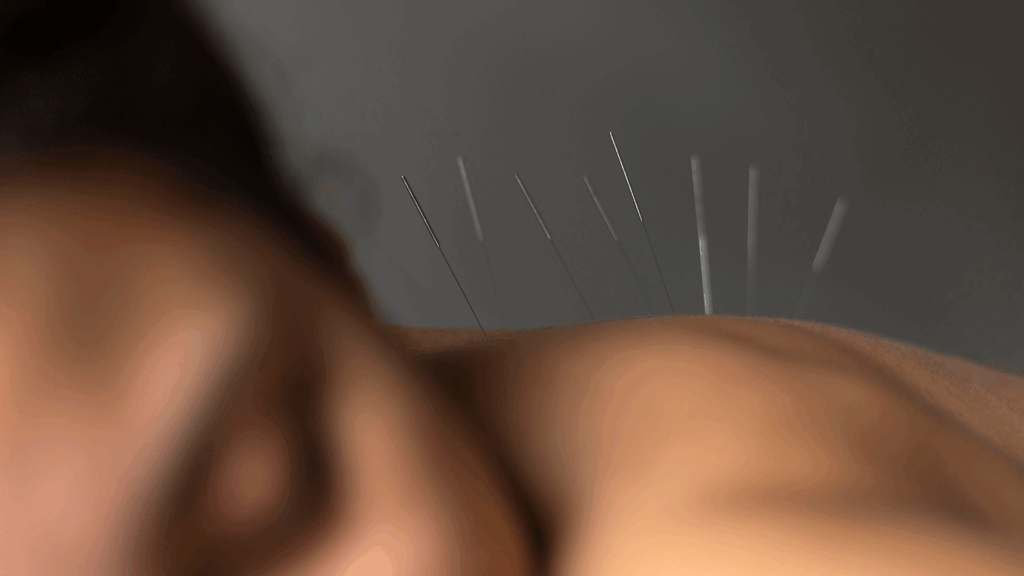
Acupuncture works through several pathways that are directly relevant to IVF outcomes:
- Improved uterine blood flow: Acupuncture increases blood flow to the uterus and ovaries. A well-nourished endometrial lining is critical for implantation
- Hormonal regulation: Acupuncture influences the hypothalamic-pituitary-ovarian (HPO) axis, which governs ovulation and the menstrual cycle. Particularly relevant for those with PCOS, irregular cycles, or poor ovarian response.
- Nervous system calming: Chronic stress triggers cortisol and adrenaline, suppressing reproductive hormones. Acupuncture’s effect on the nervous system shifts the body toward parasympathetic calm, which has real, documented effects on fertility.
- Inflammation reduction: Inflammatory markers can impair implantation. Acupuncture’s role in reducing inflammation is one of its less discussed but clinically important contributions.
The IVF Timeline: When to Start and Why
Phase 1: Pre-IVF Preparation – 8 to 12 Weeks Before
This is the most underutilised and most important phase. Human eggs take around 90 days to mature, so beginning treatment 3 months before your cycle means acupuncture can influence the eggs that will actually be retrieved.
Treatment during this period focuses on regulating the menstrual cycle, improving pelvic circulation, reducing baseline stress, and addressing underlying conditions such as endometriosis or thyroid irregularities. Sessions are typically weekly throughout this phase.
Phase 2: During Ovarian Stimulation
During stimulation, your body is under significant hormonal and physical demand. Acupuncture sessions here, usually timed mid-stimulation, aim to support follicle development, ease common side effects such as bloating and mood changes, and hold the nervous system steady during a period when anxiety tends to run high. Always work with someone who has specific training in fertility acupuncture and who communicates openly with your clinic.
Phase 3: Around Egg Retrieval
A session before retrieval helps the body prepare by supporting circulation and reducing pre-procedure tension. After retrieval, the focus shifts to recovery, reducing pelvic soreness and lowering the risk of Ovarian Hyperstimulation Syndrome (OHSS) in those susceptible. The emotional weight of waiting for a fertilisation report is also significant, and acupuncture during this window offers real psychological support.
Phase 4: Embryo Transfer Day
A pre-transfer session, typically 1-2 hours before the procedure, focuses on relaxing the uterus, reducing contractions that could interfere with implantation, and optimising blood flow to the endometrium. A post-transfer session 1-2 hours later maintains that calm physiological state and supports the early stages of implantation. Both sessions are gentle and use minimal stimulation.
Phase 5: The Two-Week Wait
Acupuncture during the two-week wait is not about influencing implantation directly. By this point, the embryo has either implanted or it has not. The purpose is to calm the nervous system, support progesterone levels during the luteal phase, and manage common side effects of progesterone supplementation, such as bloating and fatigue. For those experiencing significant anxiety, combining acupuncture with massage therapy can offer additional support.
What the Research Shows

Acupuncture for fertility has the ability to increase uterine blood flow (measured via Doppler ultrasound), reduce cortisol levels, improve endometrial thickness in some patient groups, and reduce anxiety during treatment.
Acupuncture is unlikely to be the single variable that transforms a failed cycle into a success. But for many people, it provides real physical support, genuine emotional grounding, and an active role in their own care, all of which matter during IVF.
Why Stress Is a Physiological Issue, Not Just a Mindset One
High cortisol suppresses GnRH, LH, and FSH, the hormones that regulate the menstrual cycle and ovarian function. High sympathetic nervous system activity reduces uterine blood flow. The inflammatory response triggered by chronic stress creates a cellular environment less hospitable to implantation.
These are physiological facts, not judgments. Addressing stress as a genuine clinical variable, rather than a comfort measure, is part of what makes acupuncture for mental well-being a well-suited complement to IVF.
How Many Sessions Do You Need?
For a single IVF cycle, a minimum of 12-15 sessions spread across pre-cycle preparation and the treatment cycle itself is a reasonable starting point. For those going through multiple cycles, continuity is valuable. A practitioner who knows your history is better placed to adapt treatment as circumstances change. Conditions such as diminished ovarian reserve or recurrent implantation failure may benefit from a more intensive protocol.
The most effective approach is always one that is personalised. At Serenova, acupuncture begins with an extended consultation so treatment can be designed around your specific timeline, diagnosis, and needs. Our broader approach to reproductive health support reflects that same philosophy.
Frequently Asked Questions
Is it safe to have acupuncture during IVF stimulation?
Yes, when carried out by a qualified practitioner with specific training in fertility acupuncture. Inform both your acupuncturist and your fertility clinic so that sessions can be timed and adjusted appropriately. Gentle treatment during stimulation is widely considered safe and can help manage common side effects of hormone medications.
How far in advance should I start acupuncture before my IVF cycle?
Ideally, 8-12 weeks before your cycle begins. This allows acupuncture to potentially influence egg quality during the maturation window, regulate your cycle, and establish a therapeutic rhythm before the intensity of the cycle itself. Even beginning 4-6 weeks before is worthwhile, though more preparation time is always preferable.
What if I have already started my IVF cycle – is it too late?
No. While earlier is better, beginning mid-cycle can still offer real support around egg retrieval, embryo transfer, and the two-week wait. Starting at any point is more beneficial than not starting at all.
If you are considering acupuncture as part of your fertility journey, we would love to support you. At Serenova Treatments, our approach to fertility acupuncture is always personalised, carefully timed, and works alongside your medical care. Book a consultation at Serenova Wellness today, and let’s talk about how we can support you through every stage of your IVF journey.