Embryo transfer is the moment everything has been building toward. The procedure itself takes only a few minutes. What happens in the hours and days that follow matters just as much.
Acupuncture after embryo transfer is one of the most researched applications of fertility acupuncture. Its role is not to override the process. It is to support the physiological conditions that give the embryo the best possible environment to implant.
Key Takeaways
- Acupuncture after embryo transfer is gentle and targeted. This is not the time for strong or stimulating treatment.
- The immediate post-transfer window, within one to two hours, is the most time-sensitive point for a session.
- Uterine blood flow, nervous system calm, and reduced uterine contractions are the three main physiological targets.
- Continuing sessions through the two-week wait extends those benefits beyond transfer day itself.
- Research on day-of-transfer acupuncture is mixed but consistently supports its safety and its effect on anxiety and uterine blood flow.
- Sessions work best as part of a course of treatment, not as a one-off addition on transfer day.
What Happens at the Point of Transfer
The embryo is placed directly into the uterine cavity using a fine catheter. The procedure is usually painless and takes under ten minutes. But the body’s response to it is more complex than the procedure suggests.
Uterine contractions are a normal background activity. Around the time of transfer, those contractions can work against the placement of the embryo. Stress, anxiety, and the physical experience of the procedure itself can all increase contractile activity.
Why the Post-Transfer Environment Matters
For implantation to occur, the uterine lining needs to be receptive, well-supplied with blood, and relatively calm. The hours immediately after transfer are when that environment is most fragile. Anything that supports it during this window has direct clinical relevance.
The Benefits of Acupuncture After Embryo Transfer
Reducing Uterine Contractions
One of the most studied benefits of acupuncture after embryo transfer is its effect on uterine contractility. The Paulus protocol, published in 2002, was among the first to show that acupuncture before and after transfer was associated with higher clinical pregnancy rates. A key proposed mechanism was the reduction of uterine contractions in the transfer window.
Acupuncture points traditionally used for uterine relaxation work through the autonomic nervous system, calming the smooth muscle of the uterus at a point when stillness is genuinely useful. This sits within a broader framework of Qi and energy flow in Traditional Chinese Medicine, where reproductive organs are directly linked to the body’s overall energetic balance.
Supporting Uterine Blood Flow
A well-nourished endometrium needs a consistent blood supply both before and after transfer. Pelvic circulation is one of the key mechanisms through which acupuncture supports the fertility process, and that applies just as much in the post-transfer period as it does earlier in the cycle.
Calming the Nervous System
Transfer day tests the nervous system as much as the body. Within acupuncture and traditional Chinese medicine, the connection between emotional state and physical response is central to how treatment works. Acupuncture shifts the body away from sympathetic activation toward a parasympathetic state, meaning lower cortisol, a slower heart rate, and a body that is physically more settled in the hours after transfer.
Reducing Inflammation
The transfer procedure introduces a catheter into the uterine cavity. This can trigger a mild local inflammatory response. Low-level inflammation in the uterine environment is not ideal for early implantation.
Acupuncture for reducing inflammation applies in the uterine environment after transfer. Keeping local inflammation low helps maintain a more receptive tissue environment in the critical early hours.
Addressing the Emotional Weight of Transfer Day
For many people, transfer day brings a complicated mix of hope, fear, and exhaustion. The emotional intensity of the moment does not simply switch off once you leave the clinic.
How the nervous system responds on transfer day directly affects the physical environment of the uterus. Acupuncture for the nervous system is particularly well-suited for this day. Many people describe the post-transfer session as the first time they have genuinely relaxed during the entire cycle.
Timing: When to Have a Session
Immediately After Transfer: Within One to Two Hours
This is the most important window. A session within one to two hours, targets the acute physiological state directly. Uterine contractions, nervous system activation, and inflammatory response are all at their most relevant in this period.
Most practitioners keep this session short, around 20 to 30 minutes, and use a small number of points. The aim is to consolidate the calm post-transfer environment, not to provoke any strong response.
Day Two to Three Post-Transfer
A follow-up session two to three days after transfer helps sustain the conditions established on transfer day. Blood flow to the uterus continues to matter. Progesterone side effects are starting to build. Sleep is often already disrupted.
This session bridges transfer day and the broader two-week wait, and is particularly useful for those noticing physical symptoms or heightened anxiety early in the post-transfer period.
Through the Two-Week Wait
Continuing acupuncture into the two-week wait extends the support well beyond transfer day. Progesterone supplementation side effects, sleep disruption, and the psychological pressure of the wait are all areas where ongoing sessions are clinically relevant.
Progesterone side effects, sleep disruption, and anxiety all compound each other across the two-week wait. Acupuncture for mental well-being makes ongoing sessions genuinely useful across this whole period, not just on transfer day itself.
What the Research Shows
The research on acupuncture after embryo transfer is genuinely mixed. Some trials show improved clinical pregnancy rates. Others show no statistically significant difference compared to sham acupuncture controls.
What the evidence consistently supports is acupuncture’s effect on uterine blood flow, cortisol reduction, and patient-reported anxiety. These are not trivial findings. They represent real physiological changes in the post-transfer environment, even where pregnancy rate data is less clear-cut.
The honest position is this: acupuncture after embryo transfer is unlikely to rescue a poor-quality embryo. But for many people, it creates better conditions and a calmer experience during the most significant moment of their cycle. That combination has value.
What a Post-Transfer Session Involves
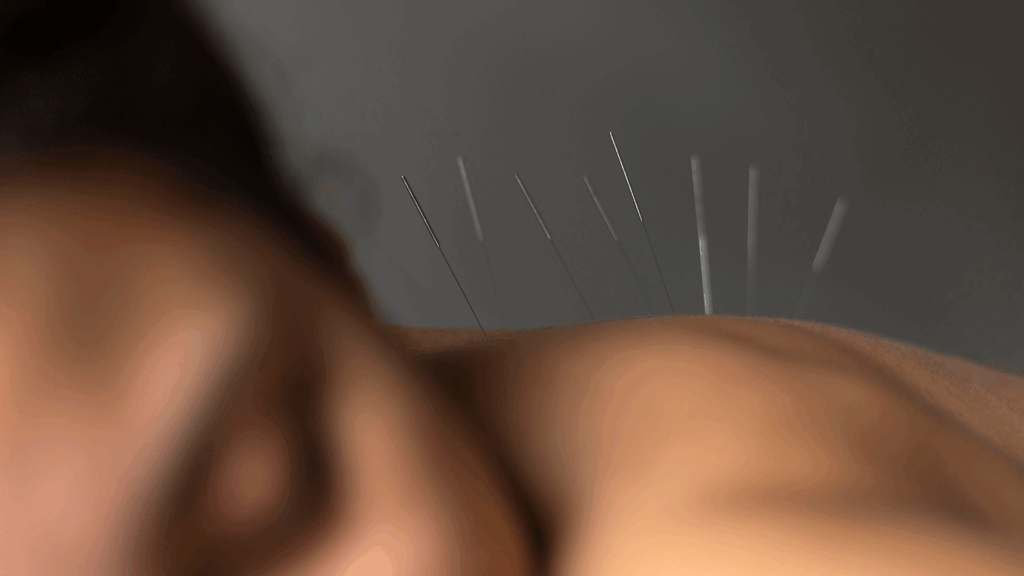
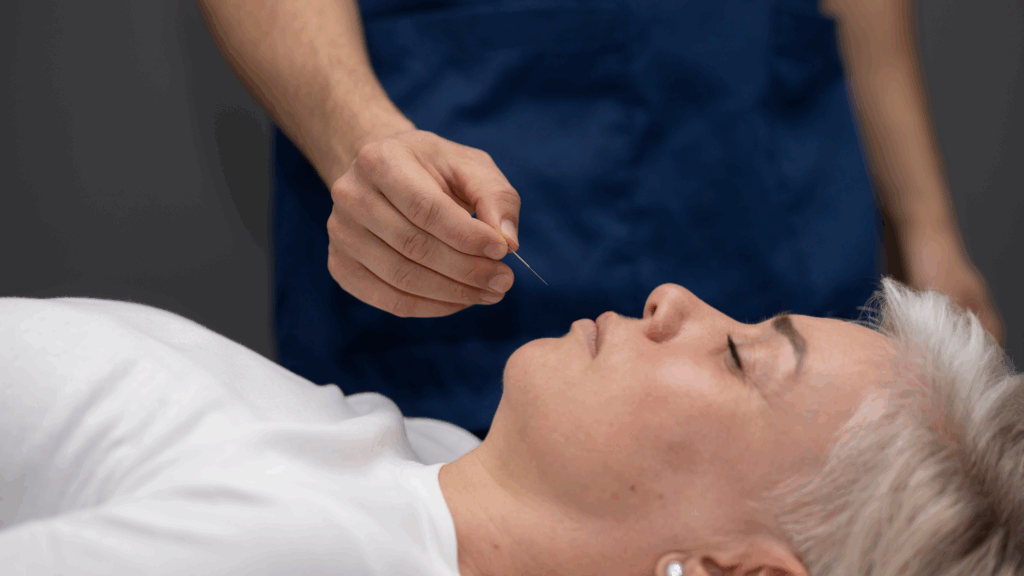
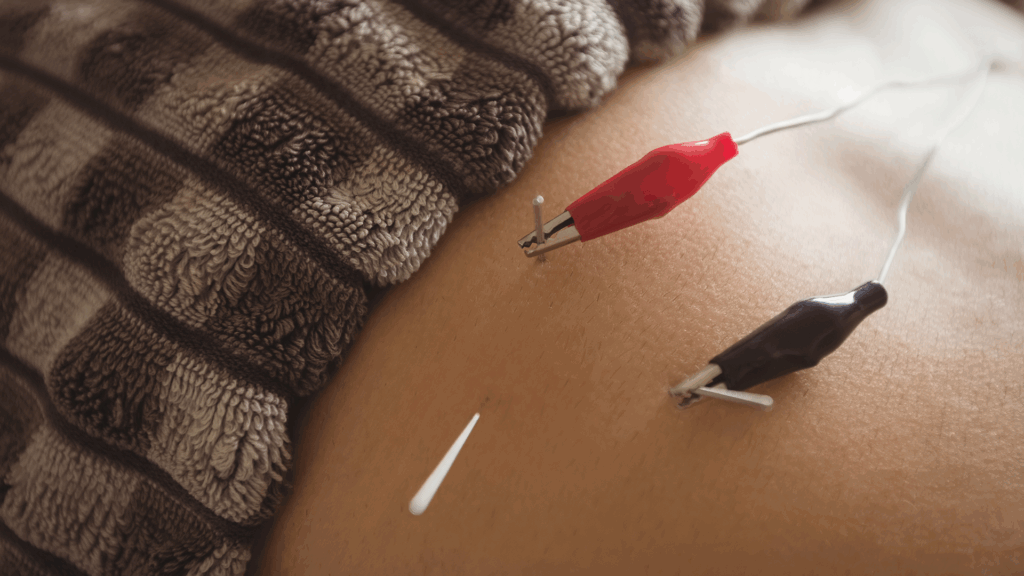
Sessions are always gentle after transfer. Points are chosen for their relaxing, circulatory, and anti-inflammatory effects rather than active stimulation. You will typically rest for 20 to 30 minutes with fine needles in place.
Most people feel noticeably calmer afterwards. Some fall asleep during the session entirely. A mild feeling of fatigue for the rest of the day is normal and usually clears by the following morning.
If this is your first session, knowing what to wear and bring to your acupuncture appointment helps you arrive prepared, especially when your abdomen may be tender after transfer.
Acupuncture After Embryo Transfer Within a Full Cycle Plan
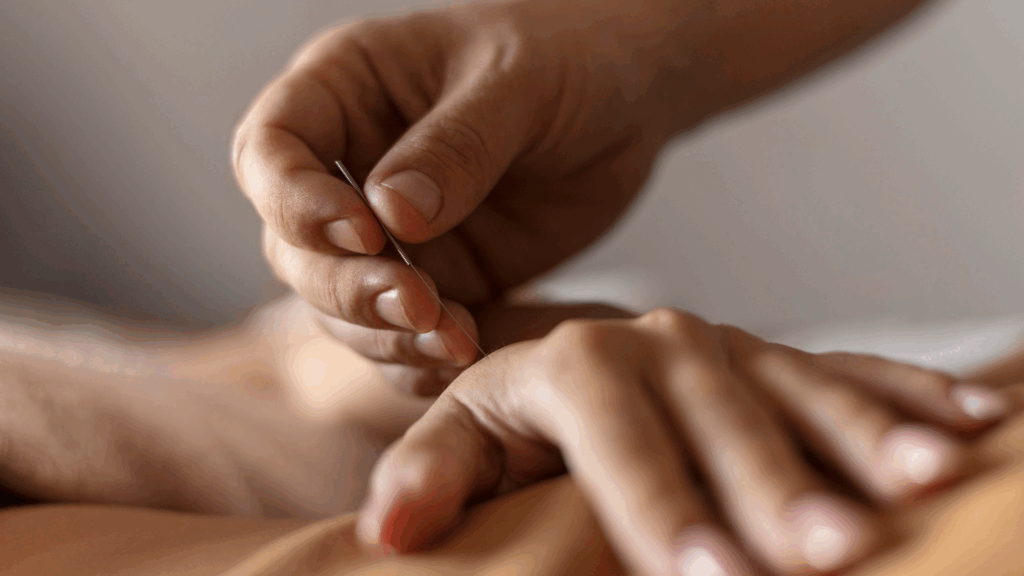
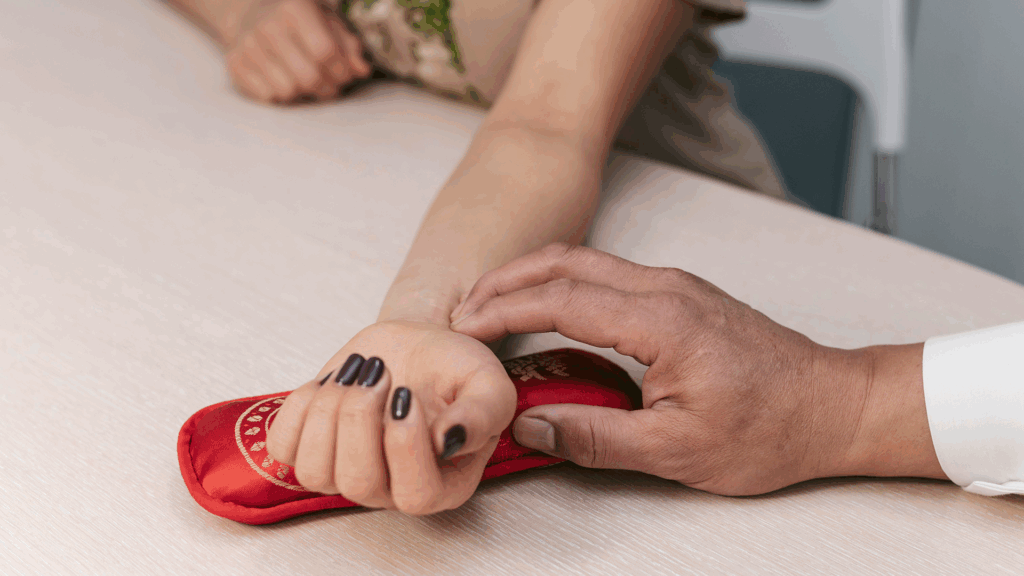
Acupuncture after embryo transfer is most effective when it is part of a course of fertility acupuncture that spans the full cycle. A practitioner who has been with you through acupuncture during IVF stimulation and egg retrieval recovery already knows how your body has responded and can tailor the post-transfer approach accordingly.
Adding in acupuncture for the first time on transfer day is better than nothing. But it is a fraction of what a planned, ongoing course can offer. Some people also find that massage therapy in the days following transfer supports physical recovery and emotional grounding alongside acupuncture sessions.
Frequently Asked Questions
How soon after transfer should I have acupuncture?
Within one to two hours of the procedure is the most effective timing. Many fertility acupuncturists will schedule a session at the clinic or nearby so the gap between transfer and treatment is kept as short as possible. If same-day acupuncture is not possible, a session within 24 hours still offers relevant support.
Is acupuncture after embryo transfer safe for both fresh and frozen cycles?
Yes. The goals and approach are the same regardless of transfer type. Reducing uterine contractions, supporting blood flow, and calming the nervous system are relevant after both fresh and frozen embryo transfers. Always ensure your acupuncturist is aware of your full medication protocol and transfer details.
Can I combine acupuncture with other therapies after transfer?
Yes, with some care. Gentle therapies such as massage therapy are commonly used alongside acupuncture in the post-transfer period. Avoid anything physically intense or stimulating. The focus after transfer should be on rest, warmth, and gentle support rather than active treatment of any kind.
Transfer day is a milestone, but the support you give your body afterwards is what carries it forward. At Serenova Treatments, acupuncture sessions are designed around exactly where you are in your cycle, including the hours and days after transfer. If you are planning a transfer or have just come through one, book a consultation and let us support you through every stage that follows.