Cupping therapy has gained remarkable popularity in recent years. Athletes, celebrities, and wellness enthusiasts swear by its healing properties. But what makes this ancient practice so effective?
This traditional healing method involves placing special cups on the skin. The cups create suction that draws blood to the surface. The result is improved circulation and a cascade of health benefits.
What is Cupping Therapy?
Cupping therapy dates back thousands of years. Ancient Egyptian, Chinese, and Middle Eastern cultures all practised this technique. Today, it’s experiencing a modern renaissance in wellness circles.
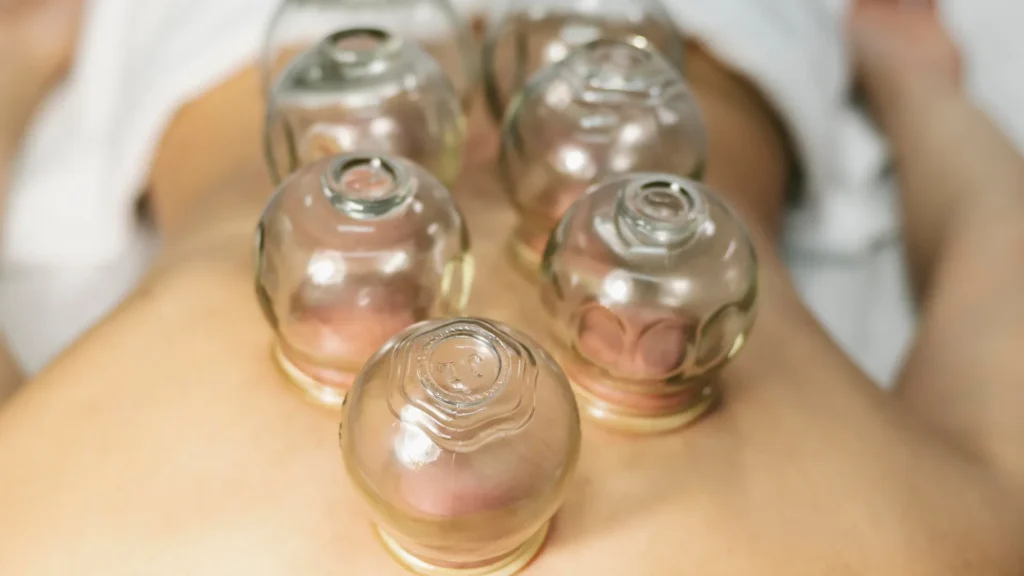
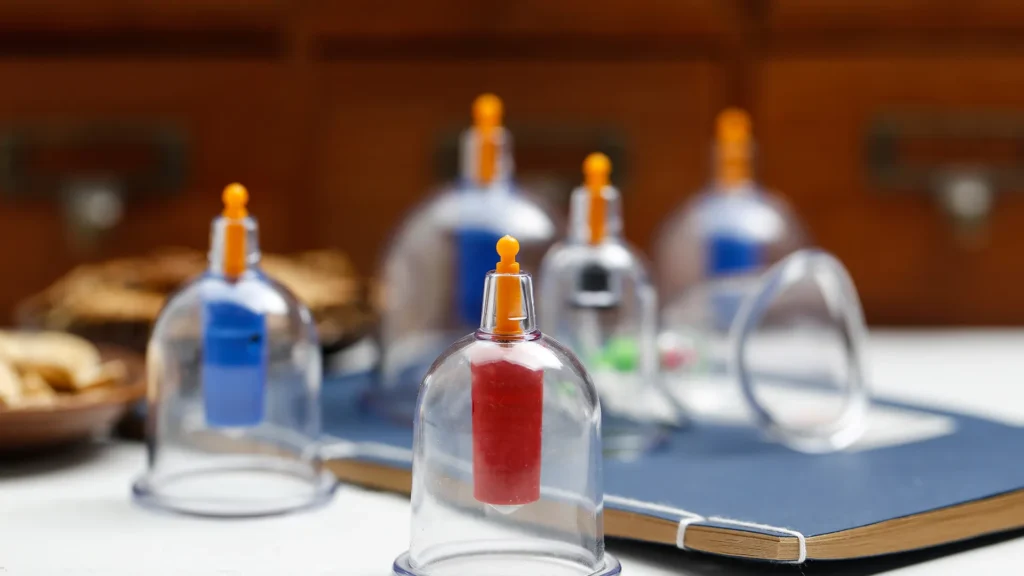
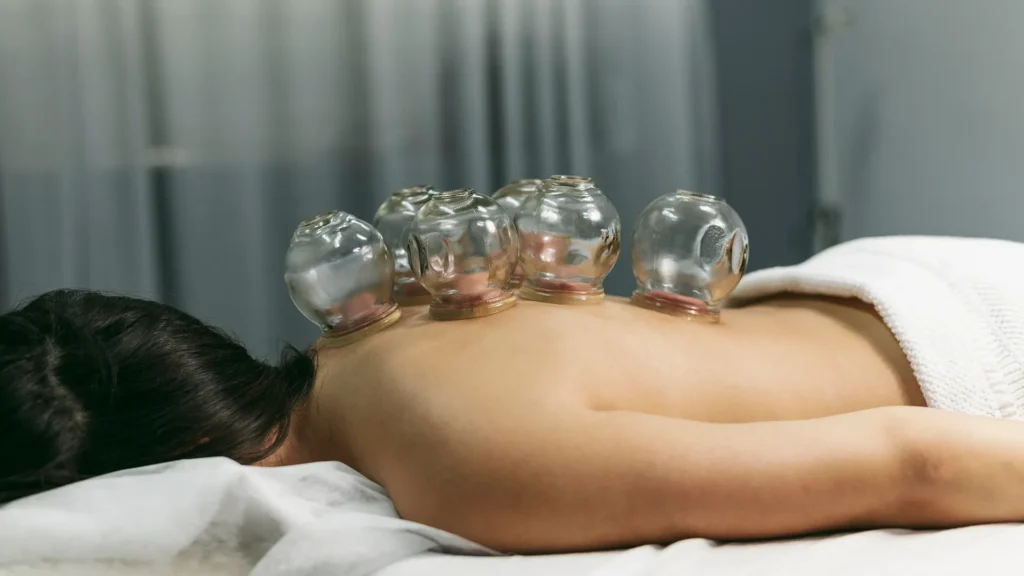
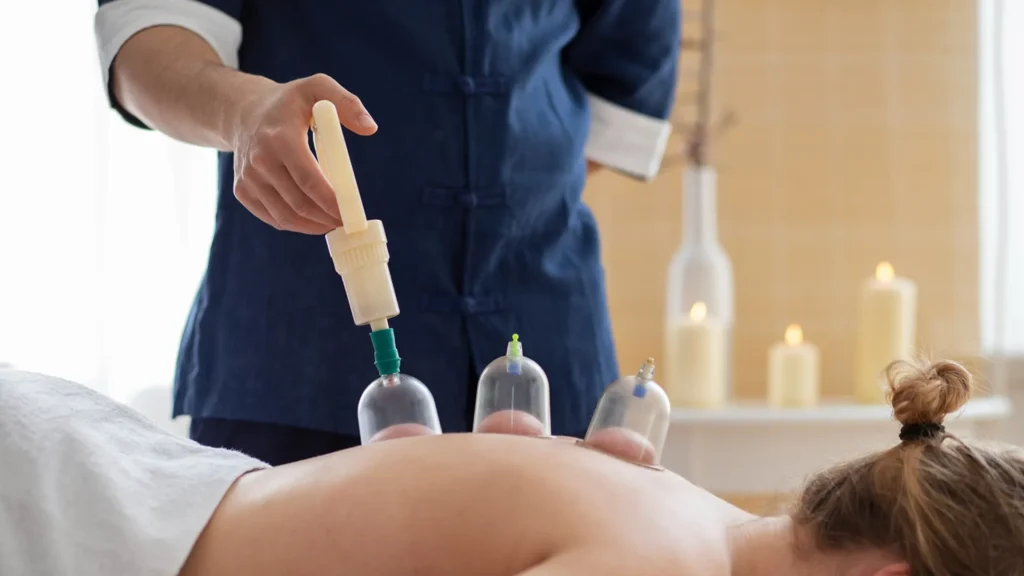
The practice involves placing cups on specific body areas. Therapists create suction either through heat or mechanical pumps. This suction pulls the skin and underlying tissue upward into the cup.
The History Behind the Practice
Ancient Egyptians used cupping as early as 1550 BCE. Historical records show they treated various ailments with this method. Chinese medicine practitioners have used it for over 2,000 years.
Traditional healers believed cupping balanced the body’s energy. They thought it removed harmful substances and promoted healing. Modern research now supports many of these traditional claims.
Modern Cupping Techniques
Today’s practitioners use two main cupping methods. Dry cupping creates suction without any additional elements. Wet cupping involves small incisions and controlled blood removal.
Practitioners may also use moving or stationary techniques. Stationary cups remain in one place for several minutes. Moving cups glide across the skin with the help of oil.
How Cupping Therapy Works
The suction created by cups triggers several physiological responses. Blood vessels expand under the negative pressure. This brings fresh blood, oxygen, and nutrients to the treated area.
The cups also stretch connective tissue and muscles. This mechanical action releases tension and adhesions. The body’s natural healing mechanisms kick into high gear.
The Science of Suction
Negative pressure pulls blood toward the skin’s surface. Small blood vessels may rupture, creating those distinctive circular marks. These marks aren’t bruises but a sign of increased circulation.
The suction stimulates the nervous system as well. This triggers the release of natural pain-relieving chemicals. The body responds as if healing from an injury.
Cellular-Level Changes
Cupping increases blood flow to targeted tissues. Enhanced circulation delivers more oxygen to cells. Cells function better and heal faster with adequate oxygen.
The therapy also helps remove metabolic waste products. Toxins and cellular debris get flushed from tissues. This detoxification process supports overall health.
Physical Benefits of Cupping Therapy
The benefits of cupping therapy extend throughout the body. From pain relief to improved circulation, the effects are measurable. Many people experience immediate and lasting improvements.
Pain Management and Relief
Cupping excels at reducing chronic pain conditions. Back pain, neck pain, and shoulder tension respond particularly well. The therapy interrupts pain signals and reduces inflammation.
Studies show significant pain reduction in treated patients. One research review found cupping to be more effective than standard care. The relief often lasts for weeks or months.
Back Pain Relief
Lower back pain affects millions of people worldwide. Cupping provides substantial relief for this common complaint. The suction releases tight muscles and fascial restrictions.
Regular sessions can prevent pain from returning. Many patients reduce their reliance on pain medications. The natural approach offers relief without side effects.
Neck and Shoulder Tension
Modern life creates persistent neck and shoulder problems. Hours spent at computers and phones strain these areas. Cupping releases the built-up tension effectively.
The therapy targets trigger points and tight muscle bands. Blood flow increases to oxygen-starved tissues. Patients often feel immediate relief after treatment.
Enhanced Circulation
Better blood flow is a cornerstone benefit. Cupping dilates blood vessels in treated areas. This increased circulation speeds healing throughout the body.
Improved circulation means more nutrients reach tissues. Cells receive the oxygen they need to function optimally. The entire cardiovascular system benefits from regular treatment.
Skin Health Improvements
Better circulation translates to healthier, glowing skin. Increased blood flow brings nutrients to skin cells. The enhanced oxygenation gives skin a natural radiance.
Cupping on the face can reduce fine lines. It promotes collagen production and skin elasticity. Many people notice a more youthful appearance.
Inflammation Reduction
Chronic inflammation underlies many health conditions. Cupping helps reduce inflammatory responses in the body. The therapy modulates the immune system beneficially.
Research shows decreased inflammatory markers after treatment. This anti-inflammatory effect contributes to overall wellness. Conditions related to inflammation often improve dramatically.
Muscle Recovery and Athletic Performance
Athletes increasingly turn to cupping for recovery. The therapy speeds healing after intense training. Muscles recover faster, allowing for more consistent training.
Olympic athletes have popularised cupping in sports. The distinctive marks became a badge of performance optimisation. Both professional and recreational athletes benefit equally.
Reduced Muscle Soreness
Delayed onset muscle soreness (DOMS) responds well to cupping. The therapy clears lactic acid buildup from muscles. This reduces post-workout pain and stiffness.
Athletes can train harder and more frequently. Recovery time between sessions decreases significantly. Performance improvements often follow consistent cupping treatments.
Injury Prevention
Regular cupping keeps muscles and connective tissue healthy. Flexible, well-circulated tissues resist injury better. Many athletes credit cupping with fewer training setbacks.
The therapy identifies problem areas before they become injuries. Tight spots and restricted movement patterns become apparent. Early intervention prevents more serious issues.
Respiratory Benefits
Cupping on the back and chest helps with respiratory conditions. The therapy loosens mucus and improves breathing. People with chronic respiratory issues often find relief.
Asthma and Bronchitis Support
Cupping can ease symptoms of chronic respiratory conditions. The treatment reduces chest tightness and wheezing. Many patients breathe easier after sessions.
The therapy works by relaxing chest muscles. It also helps clear congestion from the airways. Combined with medical treatment, cupping enhances respiratory function.
Cold and Flu Recovery
Cupping speeds recovery from common respiratory infections. The immune-boosting effects help fight off viruses. Symptoms often resolve faster with cupping support.
The therapy also provides symptom relief during illness. Chest congestion loosens, and coughs become more productive. Overall discomfort decreases significantly.
Mental and Emotional Benefits
The benefits of cupping therapy extend beyond the physical. Mental and emotional health improve with regular treatments. The mind-body connection plays a crucial role.
Stress Reduction
Cupping activates the parasympathetic nervous system. This “rest and digest” mode counters chronic stress. Patients feel calmer and more relaxed after sessions.
The physical release of tension affects mental state. As muscles relax, anxiety decreases naturally. Many people experience profound stress relief.
Cortisol Level Management
Chronic stress elevates cortisol, the stress hormone. High cortisol contributes to numerous health problems. Cupping helps normalise cortisol levels naturally.
Lower cortisol improves sleep, mood, and immune function. The body can better handle daily stressors. Overall resilience increases with regular treatment.
Improved Sleep Quality
Better sleep is a commonly reported benefit. Cupping promotes relaxation that extends into nighttime. Many patients fall asleep faster and sleep more deeply.
The therapy addresses physical discomfort that disrupts sleep. Pain reduction allows for better rest. The relaxation effects carry over to bedtime.
Anxiety and Depression Support
Cupping may help manage anxiety and depression symptoms. The treatment stimulates endorphin release in the brain. These natural mood elevators create feelings of well-being.
While not a replacement for mental health care, cupping complements treatment. Many patients report improved emotional balance. The holistic approach addresses both mind and body.
Digestive Health Benefits
Cupping can support healthy digestive function. Treatments on the abdomen promote better gut health. Many digestive complaints respond positively to cupping.
Improved Digestion
Cupping on the stomach area stimulates the digestive organs. The therapy enhances blood flow to the digestive tract. This supports better nutrient absorption and waste elimination.
People with sluggish digestion often notice improvements. Bloating and discomfort decrease with regular treatments. The gentle stimulation promotes healthy gut motility.
IBS Symptom Relief
Irritable bowel syndrome causes significant discomfort for millions. Cupping offers relief from cramping and pain. The therapy relaxes abdominal muscles and reduces spasms.
Stress reduction also benefits IBS symptoms significantly. Since stress triggers many IBS flares, cupping’s calming effects help. Many patients experience fewer and less severe episodes.
Immune System Support
Regular cupping sessions may strengthen immune function. The therapy stimulates white blood cell production. A robust immune system fights illness more effectively.
Enhanced White Blood Cell Activity
Research shows cupping increases immune cell count. White blood cells multiply in response to treatment. This boost helps the body defend against pathogens.
The immune enhancement lasts beyond the treatment session. Regular cupping maintains elevated immune function. People often get sick less frequently.
Detoxification Support
Cupping helps the body eliminate toxins naturally. The increased circulation moves waste products efficiently. The lymphatic system works better with cupping support.
This detoxification effect supports overall health. Organs function better without a toxic burden. Energy levels often increase as the body cleanses.
Specific Conditions Cupping Can Help
The benefits of cupping therapy address numerous health concerns. Research supports its use for many conditions. Here are some areas where cupping shows particular promise.
Chronic Pain Conditions
Fibromyalgia patients often find relief through cupping. The therapy addresses widespread pain and tender points. Many report improved quality of life.
Arthritis symptoms also respond well to treatment. Joint pain and stiffness decrease with regular sessions. The anti-inflammatory effects benefit arthritic joints.
Headaches and Migraines
Tension headaches respond excellently to cupping therapy. Treatment of the neck and shoulders releases trigger points. Many headaches resolve completely after sessions.
Migraine sufferers may experience reduced frequency and intensity. Cupping addresses muscle tension that triggers migraines. Some patients reduce their reliance on medication.
Carpal Tunnel Syndrome
This common repetitive strain injury benefits from cupping. The therapy reduces inflammation in the wrist area. Numbness and tingling often improve significantly.
Cupping releases restrictions in the forearm muscles. These muscles contribute to carpal tunnel symptoms. Treatment provides relief without surgery for many patients.
Varicose Veins
Cupping improves circulation in affected areas. While not eliminating varicose veins, it reduces symptoms. Pain, heaviness, and swelling often decrease.
The therapy supports healthy vein function overall. Better circulation prevents worsening of existing conditions. Some patients notice visible improvements in vein appearance.
High Blood Pressure
Some research suggests cupping may help lower blood pressure. The relaxation effects reduce stress-related hypertension. This natural approach complements medical management.
Patients should continue prescribed medications while trying cupping. The therapy works alongside conventional treatment safely. Always consult a doctor about blood pressure management.
Types of Cupping Therapy
Several cupping variations exist in modern practice. Each type offers specific benefits and applications. Practitioners choose methods based on individual needs.
Dry Cupping
This is the most common cupping method today. Cups create suction without any additional techniques. The cups remain in place for several minutes.
Dry cupping is gentle and appropriate for most people. It’s excellent for beginners trying cupping therapy. The risk of adverse effects is minimal.
Wet Cupping (Hijama)
Wet cupping involves small skin punctures before applying cups. The suction draws out small amounts of blood. This method is traditional in many cultures.
Practitioners believe wet cupping removes harmful substances more effectively. Research shows benefits for certain conditions. This technique requires more training and sterile procedures.
Fire Cupping
Traditional fire cupping uses heat to create suction. A flame briefly enters the cup before placement. The cooling air creates the vacuum effect.
Many people find fire cupping deeply relaxing. The warmth adds a comforting element to treatment. Skilled practitioners perform this technique safely.
Massage Cupping
This dynamic technique moves cups across the skin. Oil allows smooth gliding over treated areas. The moving suction releases larger muscle groups.
Massage cupping combines the benefits of both therapies. It’s particularly effective for back and shoulder tension. The technique feels similar to deep tissue massage.
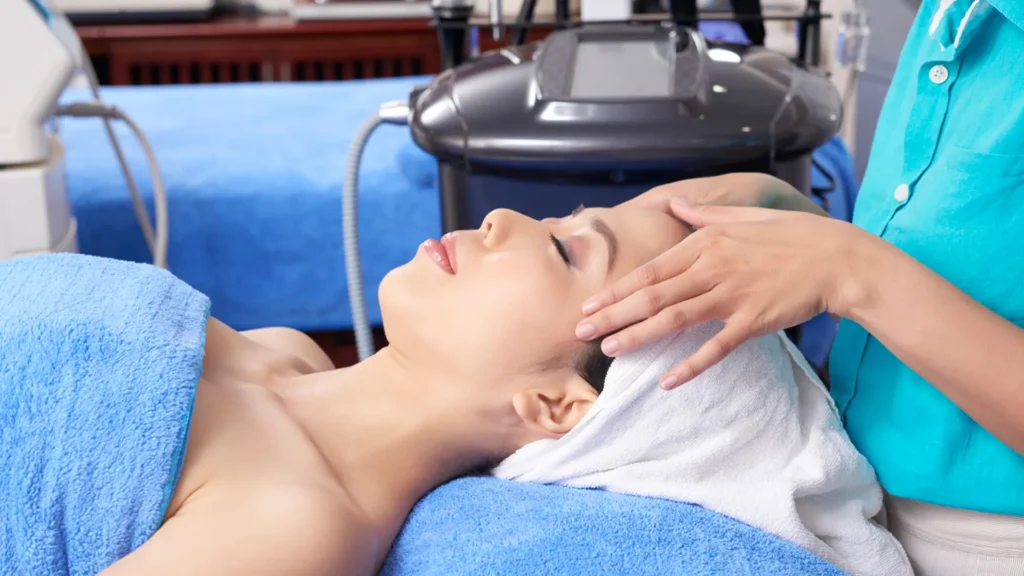
Facial Cupping
Smaller cups are designed for delicate facial skin. This technique enhances complexion and reduces wrinkles. Many people use facial cupping for cosmetic benefits.
The gentle suction stimulates collagen production. Blood flow increases, giving skin a healthy glow. Regular facial cupping can create visible improvements.
What to Expect During Treatment
Understanding the cupping process eases any concerns. Treatments typically follow a similar pattern. Knowing what to expect helps maximise benefits.
Initial Consultation
A thorough assessment precedes first-time treatment. The practitioner discusses health history and concerns. They explain the cupping process and answer questions.
This consultation ensures cupping is appropriate and safe. Certain conditions may require modifications. The practitioner creates a customised treatment plan.
The Treatment Process
Patients typically lie comfortably on a treatment table. The practitioner applies cups to targeted areas. Most people find the suction sensation pleasant.
Cups usually remain in place for 5-15 minutes. Some techniques involve moving the cups around. The entire session typically lasts 30-60 minutes.
Sensations During Cupping
The suction creates a pulling sensation on the skin. Most people describe it as tight but not painful. The feeling becomes comfortable as muscles relax.
Some warmth may occur in treated areas. This indicates increased blood flow to tissues. Overall, cupping should feel therapeutic and calming.
Post-Treatment Marks
Circular marks typically appear where cups were placed. These range from light pink to deep purple. The marks aren’t bruises but a result of increased circulation.
The marks fade naturally over several days. Darker marks indicate more stagnation in that area. Future treatments usually produce lighter marks.
After-Care Recommendations
Staying hydrated after cupping is essential. Drinking plenty of water helps flush released toxins. Rest and gentle activity support the healing process.
Avoid strenuous exercise immediately after treatment. The body needs time to integrate therapeutic effects. Most people return to normal activities the next day.
Safety and Contraindications
Cupping is generally safe when performed properly. However, certain situations require caution or avoidance. Always inform practitioners of health conditions.
Who Should Avoid Cupping
Pregnant women should avoid abdominal cupping, especially. Some practitioners avoid cupping pregnant patients altogether. Always consult an obstetrician first.
People with bleeding disorders should exercise caution. Cupping can cause minor bleeding in some cases. Discuss any blood-related conditions with practitioners.
Possible Side Effects
Mild soreness may occur after treatment. This typically resolves within a day or two. The soreness indicates tissues were successfully treated.
Some people experience lightheadedness during or after sessions. This usually passes quickly with rest. Eating beforehand helps prevent this reaction.
Finding a Qualified Practitioner
Seek practitioners with proper training and certification. Experience matters in achieving optimal results. Check credentials and read patient reviews.
Licensed acupuncturists often provide excellent cupping services. Many massage therapists also train in cupping. Choose someone with extensive cupping experience.
Frequently Asked Questions
Does Cupping Therapy Hurt?
Cupping shouldn’t cause pain during treatment. The suction creates a tight, pulling sensation. Most people find it comfortable and relaxing.
Some tenderness may occur afterwards in treated areas. This is normal and indicates the therapy worked. Any discomfort is typically mild and brief.
How Long Do Cupping Marks Last?
Marks typically fade within 3-10 days. Darker marks may take up to two weeks. The intensity varies based on individual circulation.
First-time treatments often produce darker marks. Subsequent sessions usually result in lighter discolouration. Better circulation means lighter marks over time.
How Often Should I Get Cupping Therapy?
Treatment frequency depends on individual needs and goals. Chronic conditions may require weekly sessions initially. Maintenance treatments might occur monthly.
Acute injuries often respond to several treatments close together. Discuss an optimal schedule with your practitioner. They’ll adjust frequency based on your response.
Can I Combine Cupping With Other Treatments?
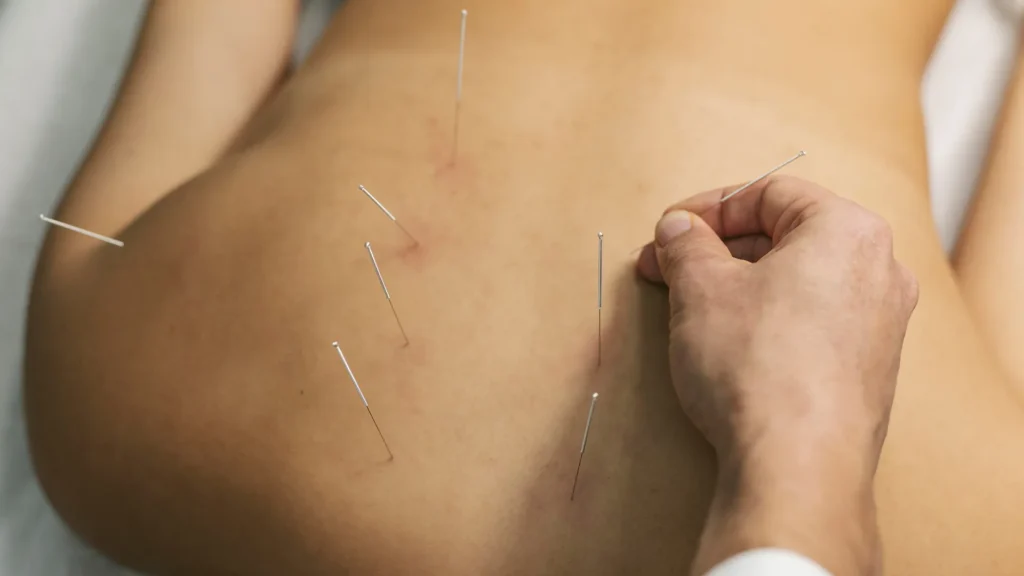
Cupping works excellently alongside other therapies. Many practitioners combine it with acupuncture. Massage and cupping complement each other beautifully.
Physical therapy patients often add cupping to their routine. The combination can accelerate healing and recovery. Always inform all healthcare providers about treatments received.
Is Cupping Covered by Insurance?
Coverage varies by insurance provider and plan. Some policies cover cupping when performed by licensed professionals. Check with your insurance company about benefits.
Many health savings accounts (HSAs) allow cupping expenses. Flexible spending accounts (FSAs) may also cover treatment. Keep receipts for potential reimbursement.
Are There Any Age Restrictions?
Cupping is safe for most ages when performed correctly. Children can receive modified, gentler treatments. Elderly patients often tolerate cupping well.
Very young children and infants typically aren’t treated. Practitioners adjust techniques for different age groups. Always choose experienced practitioners for children or seniors.
How Quickly Will I See Results?
Some people notice immediate benefits after one session. Pain relief and relaxation often occur right away. Other benefits accumulate over multiple treatments.
Chronic conditions require consistent treatment forthe best results. Most people notice significant improvements within 4-6 sessions. Patience and regular attendance yield optimal outcomes.
Can Cupping Help With Weight Loss?
Cupping isn’t primarily a weight loss treatment. However, improved metabolism and circulation may support a healthy weight. Stress reduction can prevent stress-related eating.
Some practitioners use cupping as part of holistic weight programs. Combined with diet and exercise, it may enhance results. Realistic expectations are important.
Ready to experience the transformative benefits of cupping therapy? Serenova Wellness offers professional cupping treatments tailored to individual needs. The experienced practitioners combine cupping with complementary therapies like acupuncture for enhanced results. Facial and body massage services further support holistic wellness. Book an appointment at Serenova Treatments today and discover natural healing.