Many women simply manage their periods month after month. Painkillers, hormonal contraceptives, and quiet endurance become the routine. But it does not have to be that way.
Acupuncture is rooted in thousands of years of Traditional Chinese Medicine. It offers a natural, considered approach to restoring hormonal balance. For many women, it brings the cycle back to a healthy, consistent rhythm.
Whether you have irregular periods, painful cramps, or heavy bleeding — acupuncture looks at the root cause. It does not simply mask the symptom. This blog covers how it works, what it helps with, and what to expect.
Key Takeaways
- Acupuncture supports the hormonal pathway that directly governs menstruation.
- It can help with PCOS, painful periods, absent cycles, and heavy bleeding.
- Results build gradually — consistency across multiple cycles matters most.
- Stress is one of the biggest drivers of cycle disruption, and acupuncture addresses this directly.
- It is safe, minimally invasive, and works well alongside other therapies.
Why the Menstrual Cycle Is So Easily Disrupted
The menstrual cycle is a finely tuned hormonal process. When any part of that system is thrown off, the whole cycle can shift. Irregular periods are almost always a sign that something deeper is out of balance.
Common triggers of menstrual disruption include:
- PCOS — elevated androgens interfere with ovulation and cycle regularity
- Hypothalamic disruption — stress or low energy suppresses reproductive signalling
- Thyroid imbalance — both under- and overactive thyroid alters cycle length and flow
- Endometriosis — drives inflammation and causes heavy, painful periods
- Perimenopause — fluctuating hormones disrupt established cycle patterns
- Chronic stress and poor sleep raise cortisol, which suppresses ovulation hormones
Effective support needs to address these underlying patterns. That is exactly the approach acupuncture and Traditional Chinese Medicine are built upon.
How TCM Understands the Menstrual Cycle
In Traditional Chinese Medicine, menstruation is governed by the flow of Qi and Blood. These move through the body’s meridian pathways. A regular cycle reflects their balance and healthy function.
When Qi or Blood becomes stagnant, deficient, or overheated, the cycle breaks down. A skilled practitioner identifies which pattern is present. They then tailor the treatment entirely to that individual.
This is why two women with irregular periods may receive different treatments. The approach is always person-first, never symptom-first.
How Acupuncture Supports Menstrual Regulation

Balancing Reproductive Hormones
The HPO axis controls the release of FSH, LH, oestrogen, and progesterone. When this feedback loop is disrupted, the cycle suffers. Acupuncture encourages the body to recalibrate this signalling process naturally.
Specific acupuncture points prompt hormonal recalibration from within. For women with PCOS, this is especially relevant. The condition is largely driven by disrupted communication along this same hormonal pathway.
Easing the Impact of Stress on Your Cycle
Prolonged stress raises cortisol, which suppresses ovulation hormones. It can shorten the luteal phase, delay periods, or stop them entirely. This is one of the most overlooked causes of irregular cycles.
Acupuncture calms the nervous system and reduces this stress load directly. It shifts the body out of a heightened, reactive state. This supports reproductive health from the inside out.
Improving Blood Flow to the Uterus and Ovaries
Good pelvic circulation supports uterine lining development and regular ovarian function. It also enables the healthy monthly shedding that defines a normal period. Without it, cramping worsens and cycles become unpredictable.
Acupuncture promotes increased blood flow to the pelvis through local vasodilation. For women with painful periods, this is particularly significant. Much of that cramping pain is caused by restricted blood supply during menstruation.
Better circulation also matters for conception, and acupuncture improves blood flow to the uterus.
Calming Inflammation
Low-grade inflammation underlies many common menstrual complaints. Endometriosis pain, PCOS-related irregularity, and heavy bleeding all have an inflammatory component. Addressing this makes a meaningful difference.
Acupuncture’s role in reducing inflammation is one of its most recognised qualities. It helps the body regulate its own inflammatory response. Over time, this eases pelvic pain and supports a more balanced cycle.
Conditions Acupuncture Can Help With
PCOS and Irregular Ovulation
PCOS is the most common cause of irregular periods in women of reproductive age. It involves hormonal imbalance, elevated androgens, and often disrupted insulin regulation. Acupuncture works across all of these areas simultaneously.
It supports more consistent ovulation and better hormonal balance. Many women also use it alongside fertility acupuncture when trying to conceive.
Painful Periods (Dysmenorrhoea)
Primary dysmenorrhoea responds particularly well to acupuncture. It reduces the prostaglandin activity that triggers cramping. It also encourages the body’s natural pain-relieving endorphins to kick in.
Many women who have relied on painkillers for years find real relief through regular treatment. The change in intensity and duration of pain can be significant. And it happens without medication or side effects.
Absent or Infrequent Periods (Amenorrhoea and Oligomenorrhoea)
Periods can become infrequent or stop entirely for many reasons. Extreme stress, low body weight, intensive exercise, or coming off the pill are common triggers. Acupuncture can help the body find its hormonal rhythm again.
Progress here is gradual. It typically unfolds over two to four cycles as the HPO axis restabilises.
Heavy Bleeding (Menorrhagia)
Excessively heavy periods often signal an underlying hormonal imbalance or inflammation. Conditions like fibroids or endometriosis can amplify the problem. Acupuncture addresses the internal patterns driving the excess.
Whether viewed through a TCM or conventional lens, the goal is the same. Regulation of both volume and duration improves over consistent treatment.
What to Expect From Treatment
Your First Session
Your practitioner will take a detailed case history. This covers your cycle, symptoms, sleep, stress, digestion, and general health. That full picture shapes your treatment plan.
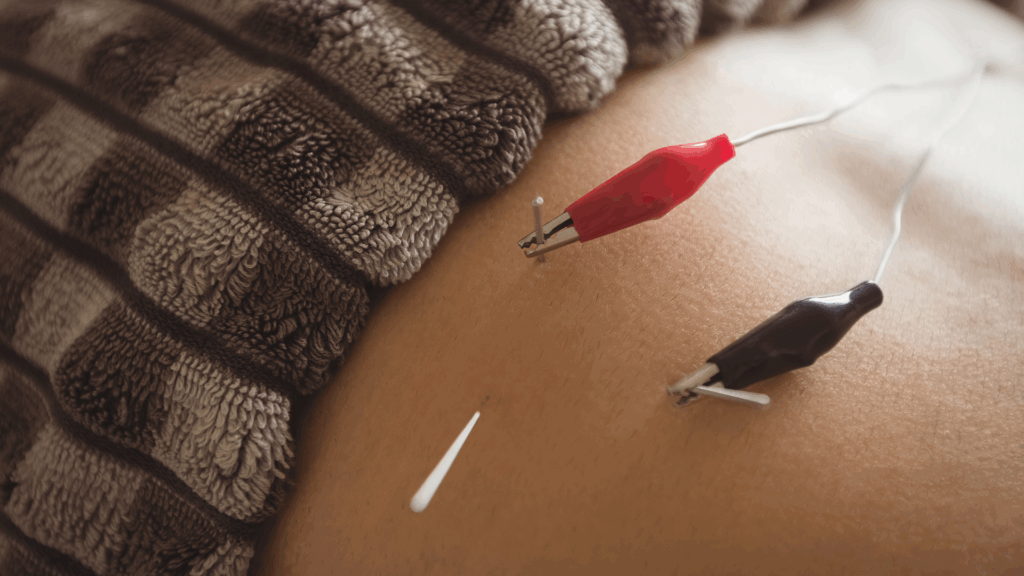
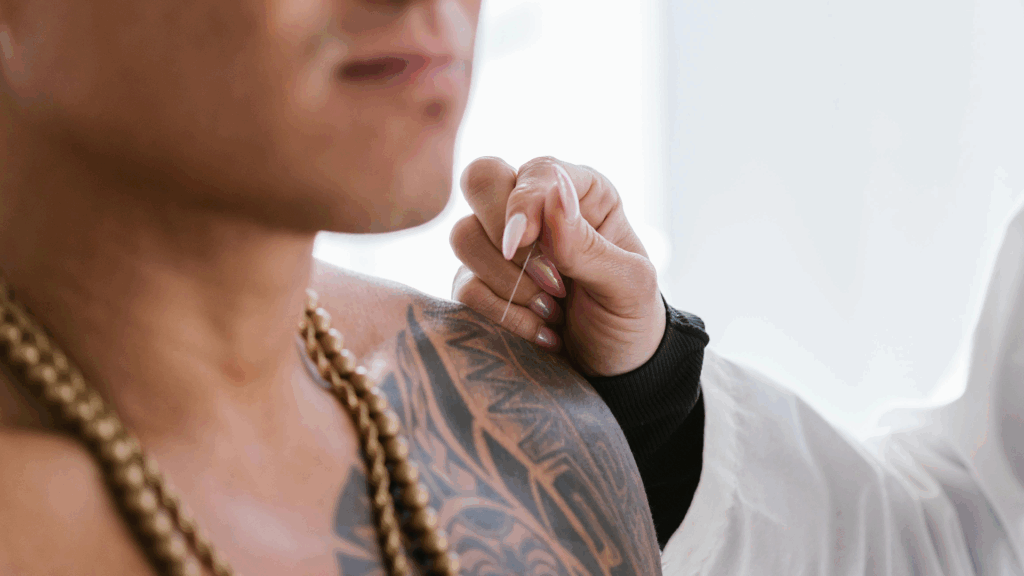
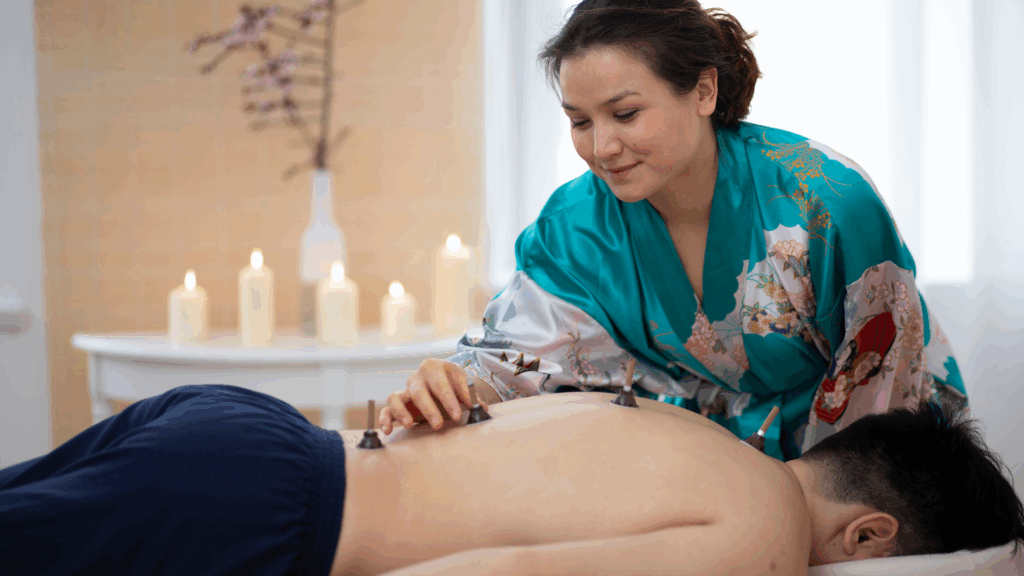
The needles are fine, sterile, and single-use. Most people describe the sensation as mild pressure or warmth. There is very little, if any, discomfort.
How Many Sessions Will You Need?
Weekly sessions are typical for the first two to three cycles. Treatment then tapers to fortnightly as things stabilise. Most women notice a shift in pain or regularity within two to three months.
Acupuncture works cumulatively. Sporadic sessions produce far less consistent results. Committing to a course of treatment gives the body the time it needs to change.
If you are new to treatment, our guide on what to wear and bring to your acupuncture appointment covers everything before you arrive.
Pairing Acupuncture With Other Holistic Support

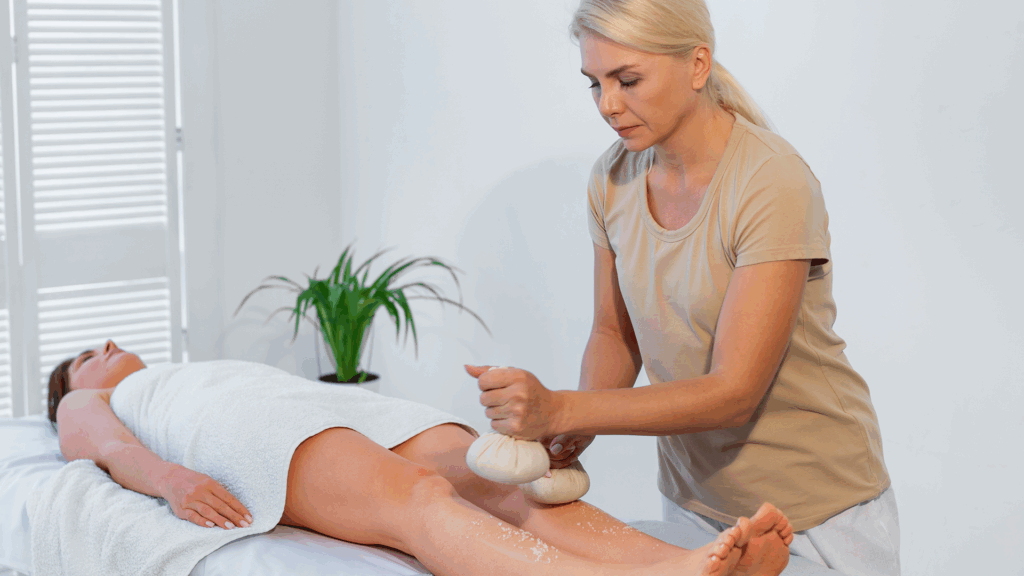
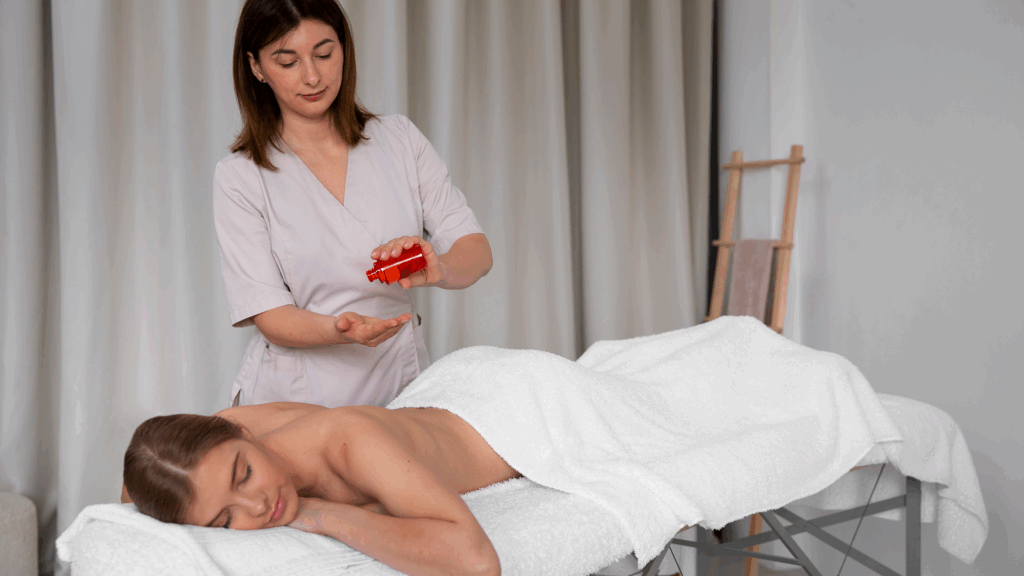
Acupuncture pairs naturally with therapies that support the nervous system. Many clients at Serenova combine sessions with mind-body therapies such as massage or Reiki. Together, they deepen the body’s calm, regulated state — exactly where reproductive hormones thrive.
Frequently Asked Questions
How many sessions does it take to regulate my period?
Most practitioners recommend at least six to eight sessions across two to three cycles. Hormonal change takes time, especially when the imbalance runs deep. Many women notice improvements before completing a full course.
Can acupuncture help with PCOS?
Yes — and it is one of the conditions acupuncture is most suited to. It works on hormonal signalling, androgen levels, and insulin regulation over time. It works best alongside dietary and lifestyle support too.
Is it safe to have acupuncture during my period?
In most cases, yes. Your practitioner may adjust the points used depending on your cycle phase. Treatment during menstruation is generally safe and can specifically help with pain and heavy flow.
Can I have acupuncture alongside hormonal medication?
Acupuncture is generally safe alongside hormonal treatments. It is not known to interfere with them. Always tell your practitioner exactly what you are taking so they can plan accordingly.
Will my period change after just one session?
Many women notice a reduction in pain or a sense of calm after their first session. But lasting cycle changes usually develop over several months of consistent treatment. Both fast and gradual responses are completely normal.
Menstrual irregularities are not something women simply have to live with. Whether the cause is hormonal imbalance, stress, inflammation, or PCOS, there is a better path. Acupuncture treats the whole person, not just the symptom.
It is a considered, effective approach to cycle regularity, pain relief, and reproductive well-being. And it gets to the root of the problem in a way that symptom management never can.
If you want to find out whether acupuncture is right for you, book a consultation with Serenova Treatments today. Your practitioner will understand your pattern and build a plan entirely around you.