
Ever feel like your body’s constantly on high alert? Racing heart, tight shoulders, that nagging feeling? Your nervous system might be stuck in overdrive.
Your nervous system plays a massive role in fertility. When it’s out of balance, conception becomes harder. Acupuncture offers a proven way to reset it.
Understanding Your Autonomic Nervous System
Your autonomic nervous system runs everything involuntarily: heart rate, digestion, breathing, and hormone production. It has two branches that need to balance perfectly.
The sympathetic system is your “fight or flight” mode. Blood rushes to muscles, heart pounds, breathing quickens. Brilliant for danger, terrible for fertility.
The parasympathetic system is your “rest and digest” mode. This is your calm, healing state. Digestion works properly, hormones balance, and reproduction gets the green light.
The Fertility-Stress Connection
Your body can’t tell the difference between a tiger and a negative pregnancy test. The stress response is identical.
When chronically stressed, the sympathetic mode dominates. Blood diverts away from reproductive organs towards your limbs. Reproduction requires safety and calm.
Ovulation, implantation, and early pregnancy – they all need parasympathetic dominance. Research shows acupuncture has clinical efficacy on autonomic disorders, including PCOS and subfertility.
How Acupuncture Resets Your Nervous System
Activating the Parasympathetic Response
Acupuncture for fertility doesn’t just help you relax temporarily. It actually shifts your nervous system from sympathetic to parasympathetic dominance. The change is measurable.
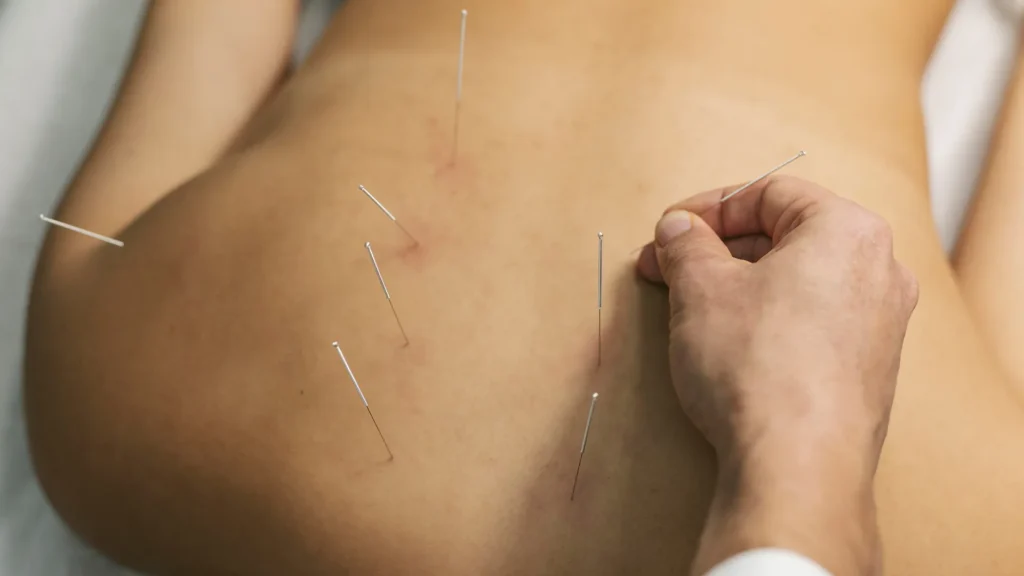
Those hair-thin needles send signals to your brain. They trigger specific pathways that activate “rest and digest” mode. Studies show acupuncture increases parasympathetic tone whilst reducing sympathetic activity.
Many people notice it during treatment. Breathing slows, muscles release, heart rate drops. Some patients fall asleep. That’s your nervous system downshifting in real-time.
The Vagus Nerve Connection
The vagus nerve is the longest cranial nerve, wandering through your chest and abdomen. It connects your brain to nearly every organ, including reproductive ones.
Nearly 80% of your parasympathetic system is just the vagus nerve. When acupuncture stimulates it, profound relaxation follows. The vagus nerve influences ovarian function, uterine blood flow, and hormone regulation.
Balancing Brain Chemistry
Acupuncture affects specific brain regions involved in stress response. The hypothalamus, prefrontal cortex, and amygdala all respond to treatment. These areas control your autonomic nervous system.
Neurotransmitters shift with acupuncture. Endorphins increase, creating natural calm. Cortisol decreases, reducing stress hormones. These aren’t just temporary effects – regular treatment retrains your nervous system.
Benefits for Fertility
Reducing Stress Hormones
Cortisol is your main stress hormone. Elevated levels interfere with reproductive hormones directly. High cortisol can prevent ovulation and disrupt cycles.
Acupuncture measurably reduces cortisol levels. This allows reproductive hormones to function properly. FSH, LH, oestrogen, and progesterone can all balance more effectively.
The effect accumulates with regular treatment. Your baseline stress levels drop. Your body spends more time in reproductive mode.
Improving Blood Flow to Reproductive Organs
When sympathetic mode dominates, blood flow prioritises muscles over organs. Your reproductive organs get shortchanged. This affects egg quality and implantation.
Parasympathetic activation reverses this. Blood returns to your core. This improved circulation supports endometrial development and ovarian function.
Supporting Hormonal Regulation
Your nervous system and endocrine system are deeply interconnected. The hypothalamus links them directly. When your nervous system is balanced, hormones follow suit.
Acupuncture helps regulate the hypothalamic-pituitary-ovarian axis. This controls your entire reproductive hormone cascade. Better regulation means more consistent cycles.
Women with PCOS particularly benefit. The condition involves autonomic nervous system dysfunction. Acupuncture addresses this root imbalance.
What to Expect From Treatment
During acupuncture, you’ll lie quietly for 30-45 minutes. Your practitioner selects points based on your needs.
Many describe feeling “acu-stoned” afterwards – pleasantly relaxed. Better sleep, reduced anxiety, and improved digestion follow. These show your nervous system is rebalancing.
Nervous system retraining takes consistency. Weekly sessions typically work best initially. Most people notice changes within 4-8 weeks.
For fertility purposes, commit to at least three months. This aligns with egg development cycles. Consistent treatment provides cumulative benefits.
FAQs
1: How many acupuncture sessions do I need to see results for fertility?
Most people notice changes within 4–8 weeks of weekly sessions. For fertility specifically, a minimum of three months is recommended, as this aligns with the egg development cycle and allows benefits to accumulate.
2. Can acupuncture help if I have PCOS?
Yes. PCOS is linked to autonomic nervous system dysfunction, and acupuncture directly addresses this imbalance. Regulating the hypothalamic-pituitary-ovarian axis and reducing stress hormones can help restore more consistent hormonal cycles.
3. Is acupuncture safe to use alongside conventional fertility treatments?
Acupuncture is generally considered a safe complementary therapy and is commonly used alongside conventional fertility treatments. However, it’s always best to inform both your acupuncturist and medical doctor about all treatments you’re receiving so they can coordinate your care appropriately.
Comprehensive Wellness at Serenova
Serenova Wellness specialises in acupuncture for fertility and nervous system balance. The experienced team understands how stress affects conception. Treatment plans address both physical and emotional aspects.
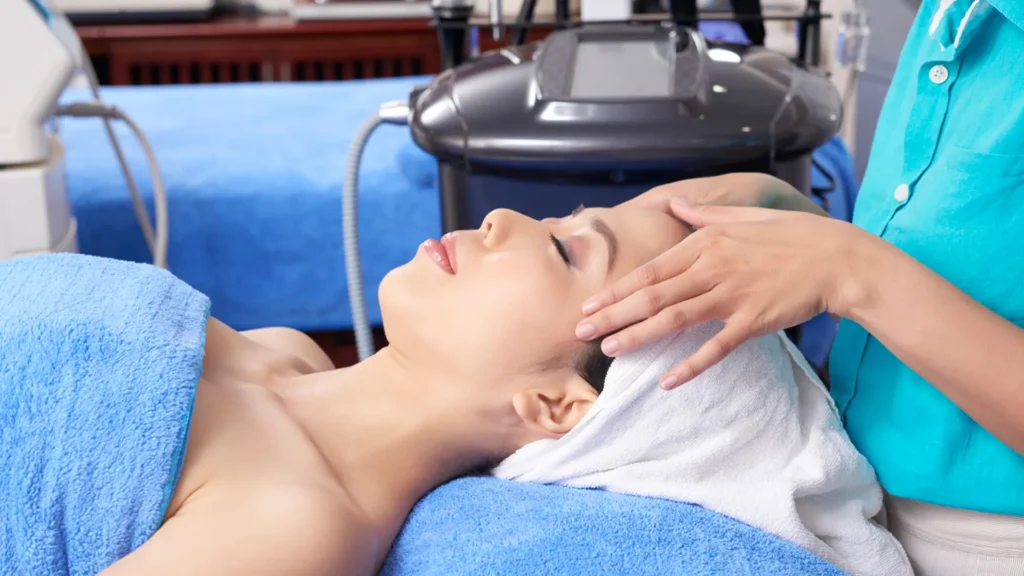
Beyond acupuncture for fertility, Serenova offers complementary therapies. Facial and beauty acupuncture supports overall well-being and stress reduction. Mind, body, and balance treatments enhance nervous system regulation.
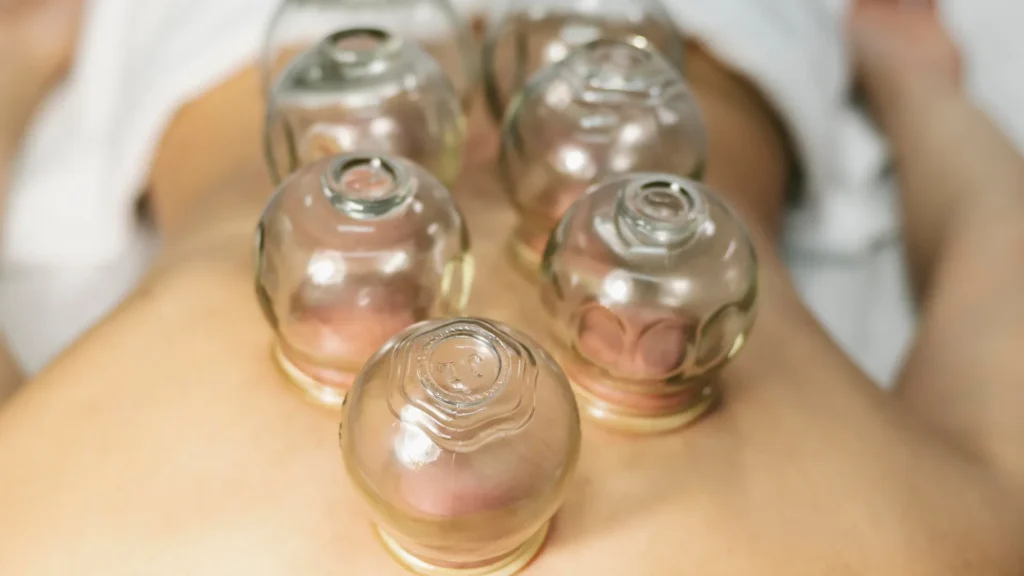
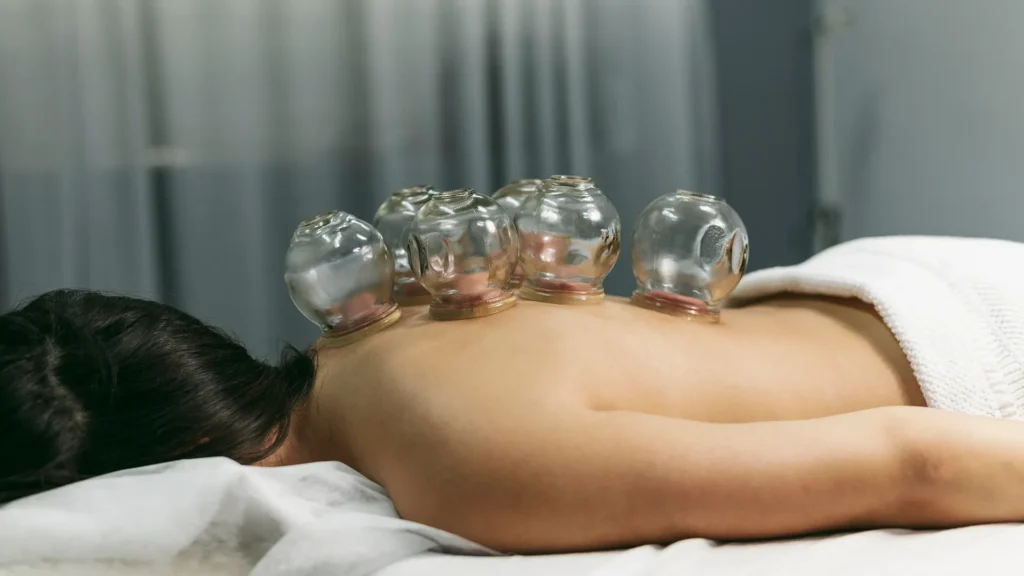
The therapy suite includes cupping therapy, which releases tension and promotes relaxation. This integrative approach comprehensively addresses nervous system health.Ready to reset your nervous system and support your fertility? Contact Serenova Wellness to schedule your consultation and begin restoring balance to your body and mind.