
Chronic pain affects millions of people across the UK. Stress, digestive issues, and hormonal imbalances are equally common.
Conventional treatments help many patients. However, more people are exploring acupuncture and Chinese medicine as an alternative. This ancient healing system takes a holistic approach.
Acupuncture treats root causes, not just symptoms. Whether you’re considering your first session or exploring eastern medicine in Studley, this guide explains everything you need to know.
What is Acupuncture and Chinese Medicine?
Acupuncture is a key part of Traditional Chinese Medicine. TCM is a complete healthcare system. It has been practised for over 2,500 years.
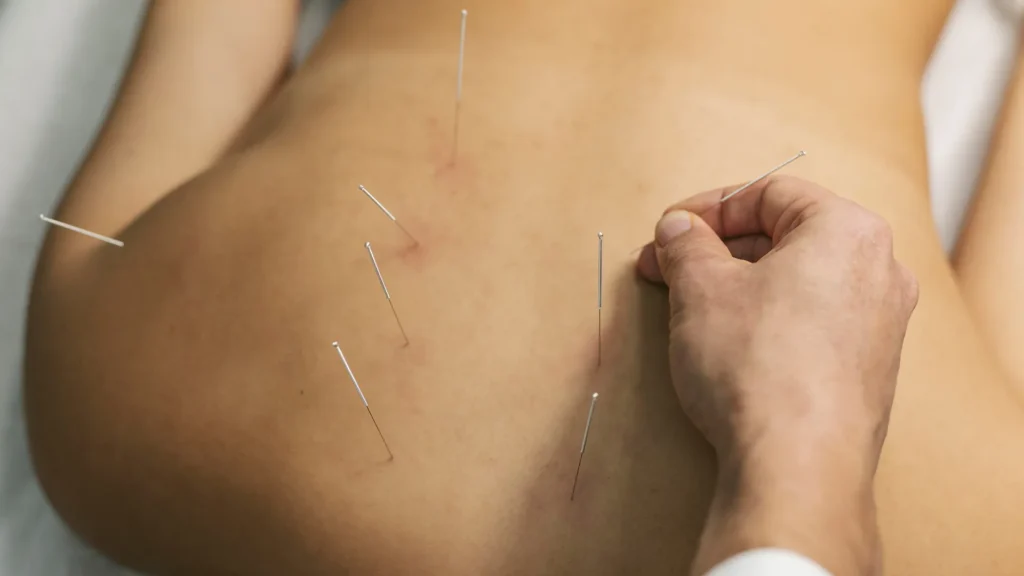
The treatment uses fine, sterile needles. These needles stimulate specific points on your body. This promotes healing and restores balance.
Chinese medicine views health as balance. This balance exists between yin and yang, and when disrupted, illness occurs.
Acupuncture regulates vital energy called ‘qi’. Qi flows through pathways called meridians. Proper flow maintains health and well-being.
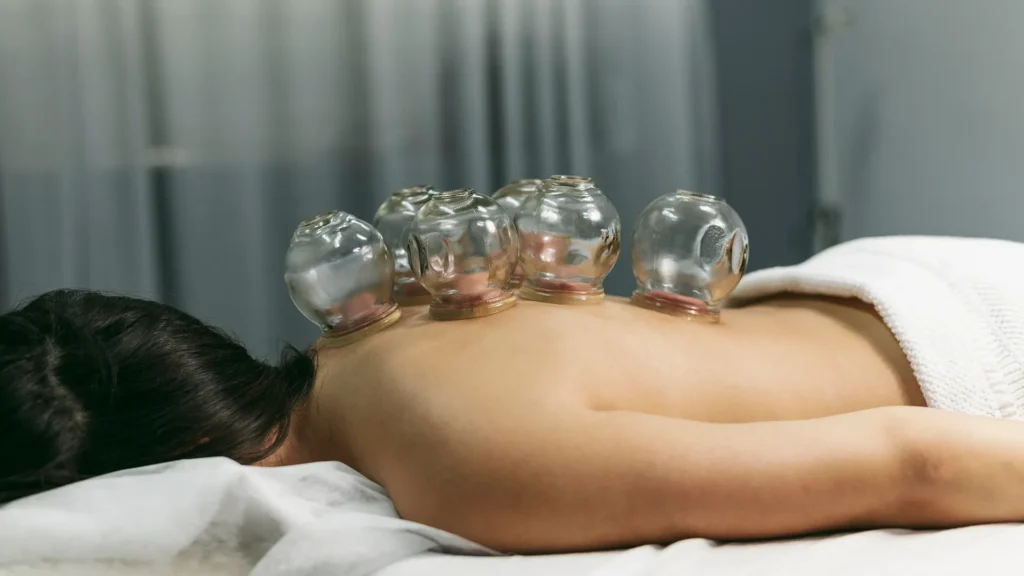
Chinese medicine includes more than acupuncture. Herbal remedies, cupping, and dietary therapy are also used. An eastern medicine clinic in Studley may combine these treatments.
How Acupuncture Works
Western research shows how acupuncture works. It activates several healing mechanisms. These effects are measurable and documented.
- Stimulates the nervous system to release endorphins
- Improves blood flow to affected areas
- Reduces inflammation throughout the body
- Regulates the stress response system
- Triggers hormone release for body regulation
The World Health Organization recognizes acupuncture as effective. It’s now integrated into modern healthcare. Evidence continues to support its use.
Conditions Treated with Acupuncture and Chinese Medicine
Acupuncture addresses many health concerns. Treatment is personalised to your needs. Here are the most common conditions.
Pain Management
- Chronic back pain and sciatica
- Neck and shoulder tension
- Arthritis and joint pain
- Migraines and headaches
- Sports injuries and muscle disorders
Stress and Mental Health
- Anxiety and depression
- Insomnia and sleep disorders
- Stress-related conditions
- Chronic fatigue syndrome
Women’s Health
- Menstrual irregularities and period pain
- Menopausal symptoms like hot flashes
- Fertility support and IVF preparation
- Pregnancy-related discomfort
Digestive Issues
- Irritable bowel syndrome
- Acid reflux and heartburn
- Nausea and bloating
- Constipation and diarrhoea
Respiratory and Immune Support
- Allergies and hay fever
- Asthma management
- Recurrent colds and infections
- Sinusitis
Key Benefits of Acupuncture and Chinese Medicine
1. Holistic Approach
Conventional medicine often targets isolated symptoms. Chinese medicine treats the whole person. Your physical, emotional, and lifestyle factors all matter.
Practitioners consider your complete health picture. They create personalised treatment plans. This addresses root causes, not just surface problems.
2. Minimal Side Effects
Qualified practitioners make acupuncture very safe. Most people experience no adverse reactions. Minor bruising may occasionally occur.
This makes acupuncture ideal for sensitive patients. It suits those who can’t tolerate medications. Side effects are rare and mild.
3. Complementary to Conventional Treatment
Acupuncture works alongside Western medicine. Many patients use it to manage medication side effects. It can support post-surgery recovery.
An acupuncture Chinese medicine clinic in Studley can coordinate with your GP. This ensures comprehensive care. Your entire healthcare team stays informed.
4. Preventive Healthcare
Regular treatments maintain balance in your body. This prevents illness before it develops. Prevention is a core principle of Chinese medicine.
Many people continue after their initial concern resolves. Ongoing treatment supports long-term health. It’s an investment in wellbeing.
5. Stress Reduction and Relaxation
Acupuncture does more than treat specific conditions. Most patients feel deeply relaxed during sessions. This effect continues after treatment.
Stress reduction benefits your entire body. It improves sleep, digestion, and immunity. Mental clarity often improves, too.
What to Expect During Your Acupuncture Treatment
Initial Consultation
Your first visit lasts 60-90 minutes. This allows time for proper assessment. The practitioner needs to understand your health.
- They’ll take a detailed health history.
- Examine your tongue and pulse.
- Explain their Chinese medicine diagnosis.
- Create your personalised treatment plan.
- Begin your first session.
During the Treatment
You’ll lie comfortably on a treatment table. The practitioner inserts 5-20 very fine needles. These needles are thinner than a human hair.
Most people feel minimal discomfort during insertion. You may experience slight tingling or warmth. This sensation indicates the treatment is working.
The needles stay in place for 20-30 minutes. You rest quietly during this time. Many patients find it so relaxing that they fall asleep.
After Treatment
You may feel energised after your session. Or you might feel pleasantly relaxed. Both responses are normal and beneficial.
Symptoms occasionally intensify temporarily before improving. This is a normal healing response. It indicates your body is adjusting.
Your practitioner provides aftercare advice. This may include dietary recommendations. Lifestyle changes or herbs might be suggested.
Treatment Timeline and Results
Results vary based on your condition. Severity and duration both matter. Here’s what to generally expect.
- Acute conditions: Recent injuries often respond quickly. Sudden illnesses may improve within 1-3 sessions. Fresh problems are easier to treat.
- Chronic conditions: Long-term problems need more time. Expect 6-12 weekly sessions for significant improvement. Patience brings better results.
- Preventive care: Monthly or seasonal sessions maintain balance. This supports ongoing well-being. Prevention is easier than finding a cure later.
Most people notice gradual improvements over time. Your practitioner reassesses progress regularly. Treatment plans adjust as needed.
Is Acupuncture Safe? Risks and Considerations
Acupuncture is very safe when properly performed. Qualified practitioners minimise all risks. UK practitioners must meet strict standards.
Look for registration with the British Acupuncture Council. BAcC members follow rigorous safety protocols. They maintain professional insurance and training.
Potential Risks (Rare)
- Minor bruising at needle sites
- Temporary soreness or aching
- Brief dizziness (uncommon)
- Mild fatigue after treatment
Who Should Inform Their Practitioner?
Most people can safely have acupuncture. However, certain conditions require extra care. Always inform your practitioner if you have:
- Pregnancy (some points are avoided)
- Blood clotting disorders or thinners
- Pacemakers (for electrical stimulation)
- Severe immune deficiency
Acupuncture Costs in the UK
Treatment costs vary by location and experience. Studley prices are competitive. Here’s what to expect:
- Initial consultation: £50-£80 for 60-90 minutes
- Follow-up treatments: £40-£65 for 30-45 minutes
Some private insurance covers acupuncture. Check your policy for details. Reimbursement often requires receipts from registered practitioners.
The NHS offers limited acupuncture services. Availability varies by area. It’s mainly for chronic pain conditions. Many clinics offer package deals. Multiple sessions booked together cost less. This makes ongoing treatment more affordable.
For instance, Serenova Wellness offers 15% discount on initial treatment for first-time customers. And when you buy a package of 5 services, you can get a 10% off.
Choosing an Acupuncture Practitioner in Studley
Finding quality eastern medicine in Studley requires some research. Look for these key qualifications:
- British Acupuncture Council registration
- Minimum 3-year degree-level qualification
- Professional insurance and hygiene protocols
- Clear explanations and answered questions
- Positive reviews and a professional environment
Good practitioners conduct thorough assessments. They explain diagnoses clearly.
Realistic expectations are always set.
Frequently Asked Questions
Does acupuncture hurt?
Most people feel minimal pain. The needles are extremely fine. You may feel a brief pinch during insertion. Once in place, needles rarely hurt. You might feel warmth or tingling. Many patients find the experience deeply relaxing.
How many sessions will I need?
This depends on your specific condition. Acute issues may improve within 1-3 sessions. Chronic conditions typically need 6-12 weekly treatments. Your practitioner creates a personalised plan. They adjust it based on your response. Everyone heals at their own pace.
Can I have acupuncture with my medication?
Yes, acupuncture is safe with most medications. It complements conventional treatments well. Many patients combine both approaches.
Always inform your acupuncturist about medications. Tell your GP about acupuncture too. Never stop prescribed medication without consulting your doctor.
Are the needles sterile and safe?
Registered practitioners use single-use needles. All needles are pre-sterilised and disposable. They’re safely discarded after each treatment. Strict hygiene protocols prevent infection. Cross-contamination risks are eliminated. Your safety is the top priority.
Will insurance cover my treatment?
Many private policies include acupuncture coverage. This especially applies to pain management. Check your specific policy details. Contact your insurer to confirm coverage. You’ll need receipts from registered practitioners. Keep all documentation for reimbursement.
Acupuncture and Chinese medicine offer proven healing. This holistic approach treats many conditions. Millions of people worldwide benefit from these treatments. The practice addresses chronic pain effectively. It manages stress and digestive issues. Fertility support and women’s health also improve.
Consider booking acupuncture services in Studley. Book an initial consultation to start. Discuss your health concerns with a qualified practitioner.
This consultation helps you understand the approach. You’ll learn if acupuncture suits your needs. A good practitioner provides honest, realistic guidance.
Ready to explore acupuncture and Chinese medicine? Contact Serenova Wellness specialists to discuss your health journey.