Picking a massage sounds straightforward until you are actually staring at the options. Swedish or deep tissue? Gentle or firm? Relaxation or relief? For a lot of people, it is genuinely confusing, and choosing the wrong type can leave you either underwhelmed or unexpectedly sore for two days.
Both are among the most widely practised massage styles in the world. Both deliver real results. But they work in very different ways and serve very different purposes. Understanding the distinction before you book makes a real difference to what you walk away feeling.
Key Takeaways
- Swedish massage uses light-to-medium pressure focused on relaxation, circulation, and stress relief.
- Deep tissue massage applies firm, sustained pressure to address chronic pain, muscle knots, and injury recovery.
- The two share similar stroke techniques but differ significantly in pressure, pace, and intention.
- Your choice should reflect what is actually going on in your body right now, not just personal preference.
- First-time clients are generally better served starting with Swedish before progressing to deeper work.
- Both styles are available as part of the Mind, Body & Massage treatments at Serenova Treatments.
What Is Swedish Massage?

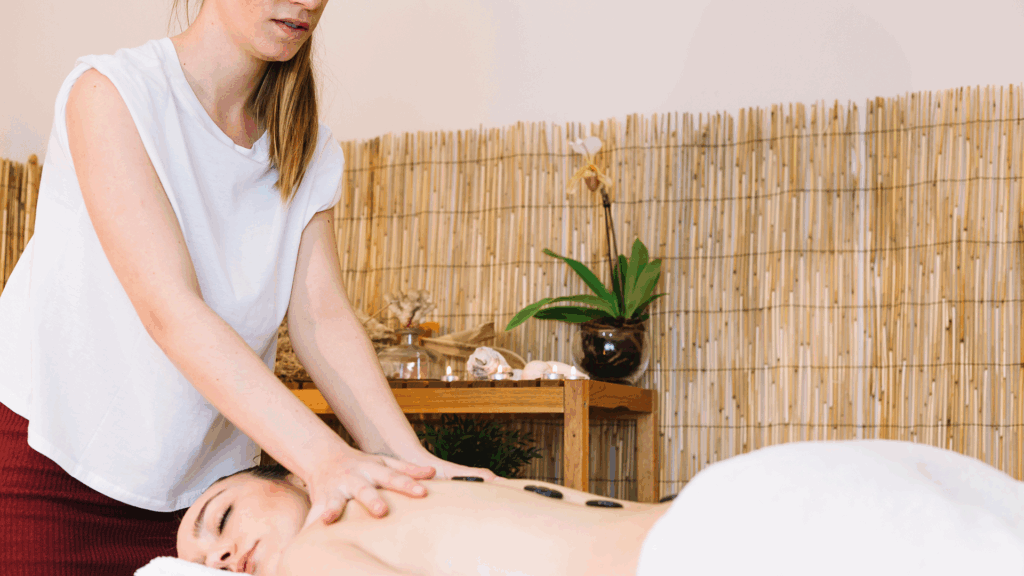
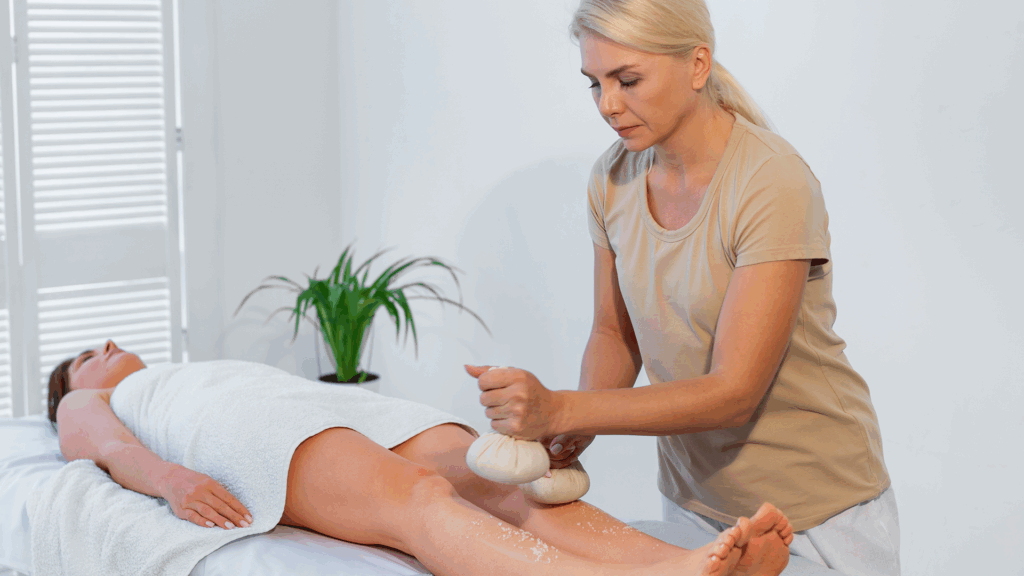
Swedish massage is the most widely recognised massage style and the one most people picture when they imagine a spa treatment. It was developed in the 19th century and built around five foundational techniques designed to relax the body from the outside in.
The Five Core Techniques
- Effleurage — Long, gliding strokes that warm up the muscles and encourage blood flow.
- Petrissage — Kneading movements that lift and compress the soft tissue.
- Tapotement — Rhythmic tapping or percussive strokes that stimulate the muscles.
- Friction — Circular pressure applied around joints and areas of surface tension.
- Vibration — Rapid shaking movements that encourage the nervous system to settle.
Together, these create a flowing, full-body treatment that is genuinely restorative without venturing into the deeper layers of muscle tissue.
Who Is Swedish Massage Best For?
Swedish massage is a strong fit for anyone who:
- Is new to massage therapy and wants a comfortable introduction.
- Needs to decompress after a stressful week.
- Is dealing with mild muscle tightness or general fatigue.
- Wants to improve sleep quality or manage anxiety.
- Is looking for a regular maintenance treatment between more intensive sessions.
Pressure can be adjusted throughout, from very light to moderately firm, so the experience stays within whatever comfort level feels right.
What Is Deep Tissue Massage?

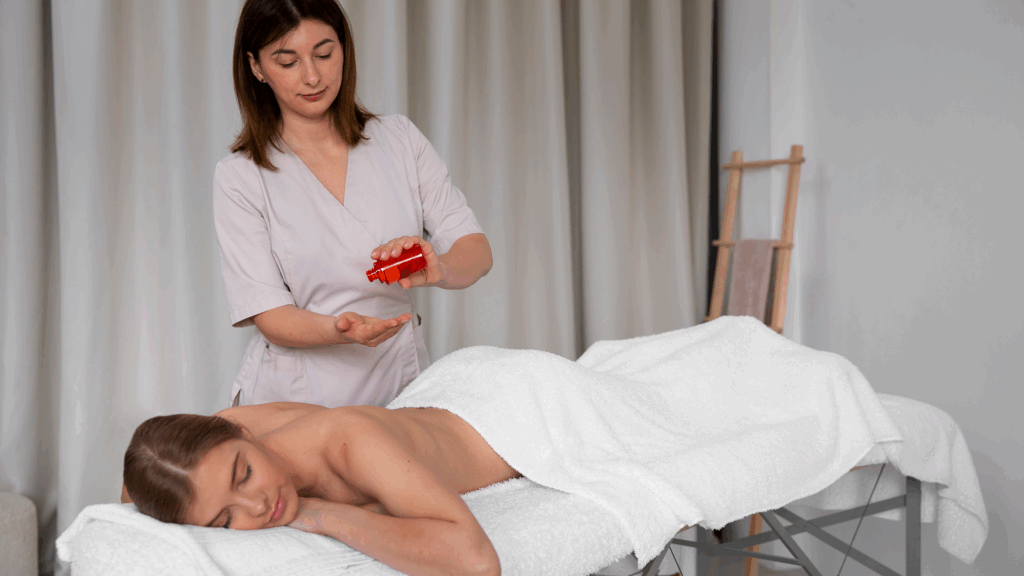
Deep tissue massage is a more targeted, results-driven technique. It uses slow, deliberate strokes and sustained firm pressure to reach the deeper layers of muscle and fascia (the connective tissue surrounding the muscles). Rather than promoting general relaxation, it is working toward something specific.
How Deep Tissue Massage Works
The therapist starts by warming up the surface layers, then uses fingers, thumbs, knuckles, forearms, and sometimes elbows to sink into the tissue underneath. The goal is to break up adhesions (areas where muscle fibres have contracted and are not releasing), restore blood flow to restricted tissue, and relieve the kind of tension that does not respond to lighter work.
Who Is Deep Tissue Massage Best For?
Deep tissue massage tends to work best for people who:
- Live with chronic lower back pain, neck stiffness, or persistent shoulder tension.
- Recover from a sports injury or physical strain
- Sit at a desk for long hours can cause postural tension as a result.
- Have muscle spasms, scar tissue, or tightness from repetitive movement.
- Want targeted, corrective work rather than broad relaxation.
Some soreness in the treated areas after the session is normal and typically fades within 24 to 48 hours. It is a sign the tissue has been worked, not that anything has gone wrong.
Swedish Massage vs Deep Tissue Massage: Side-by-Side Comparison
| Swedish Massage | Deep Tissue Massage | |
| Pressure level | Light to medium | Firm to intense |
| Muscle depth | Surface layers | Deep muscle and fascia |
| Primary goal | Relaxation and stress relief | Pain relief and injury recovery |
| Technique pace | Flowing and rhythmic | Slow and deliberate |
| Best for | General wellbeing, first-timers | Chronic pain, athletes, injury recovery |
| Post-session feeling | Relaxed and refreshed | Possibly tender, but relieved |
| Typical session length | 60 to 90 minutes | 60 to 120 minutes |
| Suitable for beginners | Yes | With guidance |
Which One Should You Choose?
There is no universal right answer here. It really comes down to what your body is actually dealing with right now.
Choose Swedish Massage If…
There is no specific injury or chronic pain to work through. Swedish is the right choice when the goal is to genuinely switch off, relieve accumulated stress, and walk out feeling lighter. It is also the better option if sleep has been disrupted, anxiety has been building, or the body just feels run-down without any one identifiable source of tension.
Choose Deep Tissue Massage If…
Something has been persisting for a while. A stubborn knot that never fully releases, recurring lower back ache, a shoulder that tightens up no matter what, or postural issues from long hours at a screen. Deep tissue is purposeful, corrective work. It may feel more intense during the session, but for chronic issues, the results go well beyond what lighter pressure can achieve.
Not Sure Which to Book?
Starting with a Swedish massage is a reasonable first step. It gives the therapist a chance to assess how the body holds tension before deciding whether deeper work is appropriate. Many practitioners also offer blended sessions, using Swedish techniques for the majority of the treatment while applying deeper pressure to specific problem areas. It is worth asking about this before the session begins.
What to Expect in Your Session
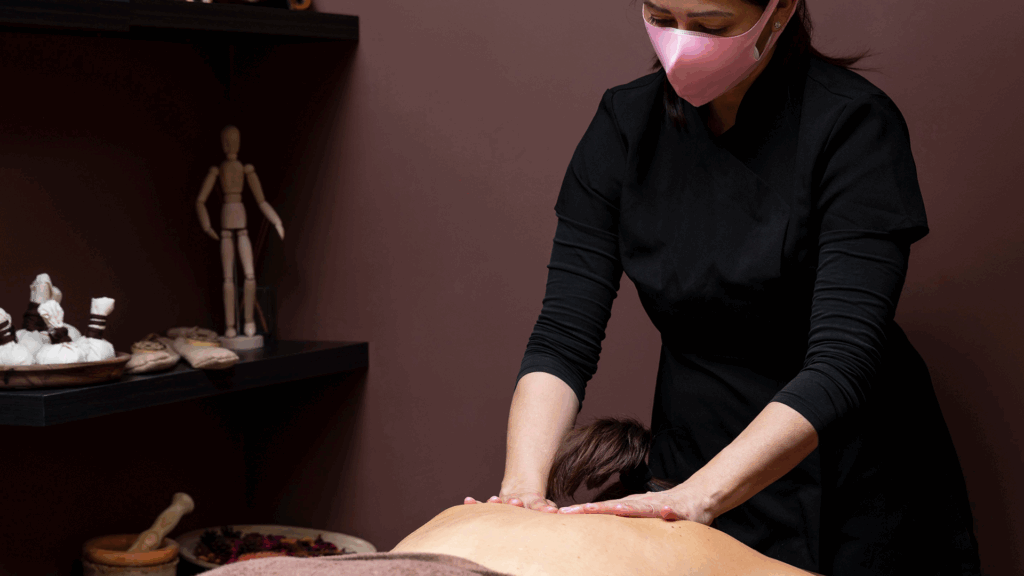
Regardless of which style is chosen, a few things stay consistent across both.
Before the Session
Arrive well-hydrated and avoid eating a heavy meal beforehand. The therapist will begin with a short consultation covering health history, areas of concern, and treatment goals. This shapes everything that follows.
During the Treatment
Communication matters throughout. Speaking up when pressure feels too firm or not firm enough is always encouraged. For deep tissue work, especially, the sensation should feel productive rather than sharp. A common description is a “good hurt,” noticeable but not distressing.
After the Massage
Drinking water after the session helps the body process the changes. For deep tissue work, avoiding strenuous exercise on the same day is worth considering. Mild soreness is normal and brief.
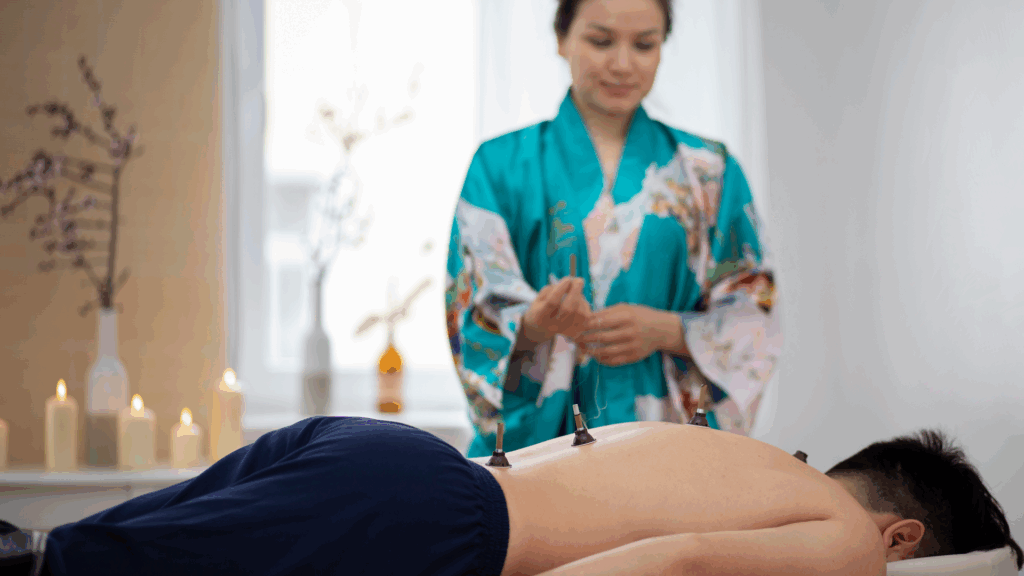
Pairing massage with complementary treatments can also extend the benefits. Cupping and Hijama therapy, for example, work in a complementary way to massage by decompressing the fascia and drawing fresh blood flow into restricted areas. Many clients find the combination accelerates results noticeably.
FAQs
Is deep tissue massage painful?
It can feel intense, particularly in areas of significant tension, but it should never be sharply painful. Discomfort during the session is common and usually feels productive rather than distressing. Some soreness afterwards, typically lasting a day or two, is a normal part of the process.
Can Swedish and deep tissue techniques be combined in one session?
Yes, and it is actually a popular approach. Many therapists use Swedish techniques across the body to encourage relaxation and blood flow, then shift into deeper work on specific areas that need it. If this sounds like a good fit, it is worth mentioning during the pre-session consultation.
How often should a massage be booked?
For general stress management and maintenance, once every two to four weeks works well for Swedish massage. For chronic pain or ongoing injury recovery, deep tissue sessions are often more effective when booked weekly or fortnightly at first, then spaced out as the condition improves.
Choosing between Swedish massage and deep tissue massage does not have to be complicated. Swedish brings calm, improved circulation, and genuine stress relief. Deep tissue gets to the source of persistent tension and chronic pain. Some people will always prefer one; many people find they move between both depending on what their body needs that week.
The best starting point is a conversation with a therapist who can listen to what is going on and guide the session accordingly. Book an appointment at Serenova Treatments and take the first step toward feeling properly at ease in your body again.