hronic stress, this drop matters enormously. Lower cortisol in the evening allows melatonin to rise at the appropriate time, which means both the ability to fall asleep and the quality of sleep once it arrives tend to improve noticeably.
Releasing the Physical Tension That Keeps the Body Alert
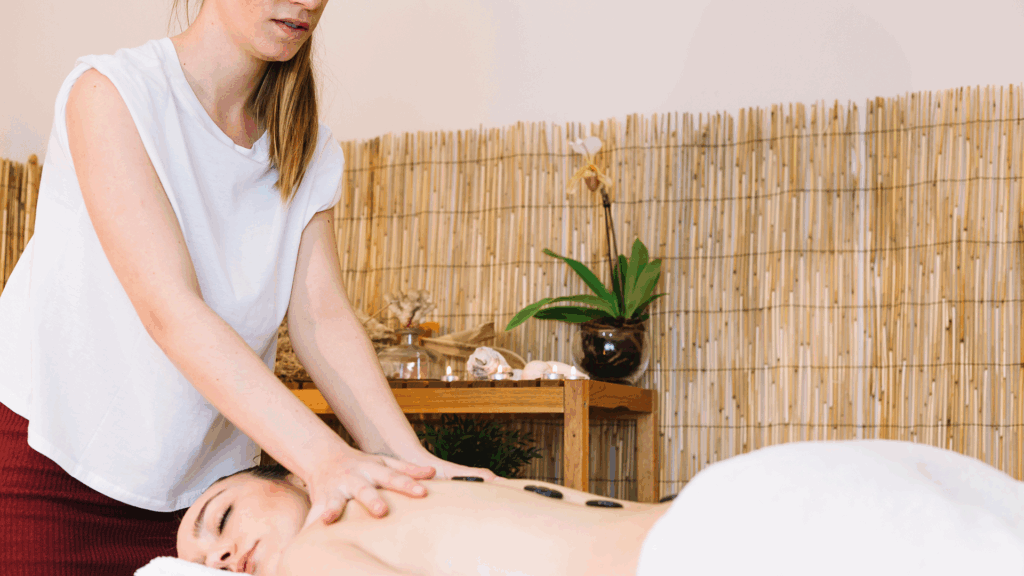
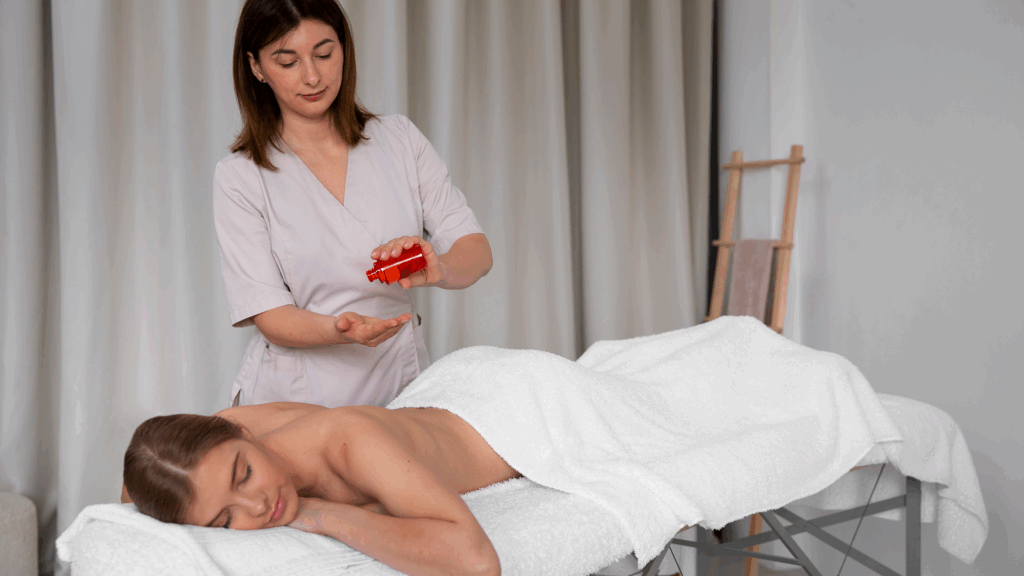
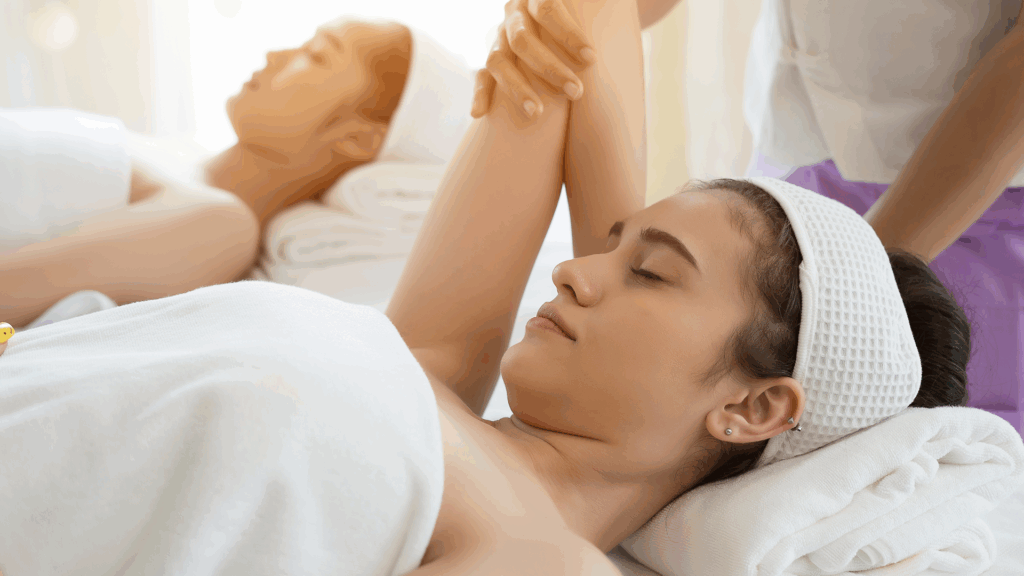
Muscle tension isn’t just uncomfortable — it’s informational. The body interprets sustained tension as a signal that something is wrong, which keeps the stress response partially activated. Swedish massage works through the layers of soft tissue, using kneading and friction techniques to release held tension in areas like the trapezius, the neck, and the lumbar region. When the body physically softens, the message it sends to the brain changes too.
What the Research Says
The evidence behind massage and sleep isn’t just anecdotal. Studies have found that massage therapy improves sleep quality across a range of populations — from people with insomnia and anxiety disorders to cancer patients and those with chronic pain. One consistent finding is that massage increases delta wave activity in sleep, meaning the time spent in the deepest, most restorative stages of sleep increases. That’s not a minor effect — delta sleep is when the body does the majority of its cellular repair.
When to Book a Session for Sleep Benefits
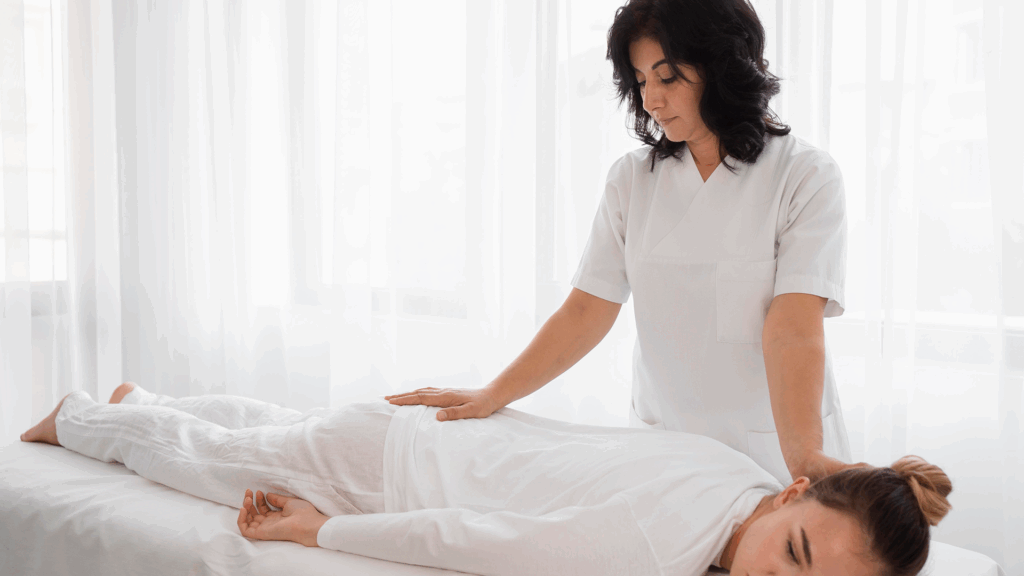
Timing matters here. A Swedish massage in the late afternoon or early evening, a few hours before bed, tends to produce the strongest sleep-related effects. This gives the nervous system time to settle into the parasympathetic state before the transition to sleep. Morning sessions still offer valuable relaxation and tension relief throughout the day, but the direct pre-sleep window amplifies the sleep benefits specifically.
Consistency also plays a role. A single session will often produce noticeably better sleep that night, but the cumulative effect of regular monthly — or fortnightly — sessions is where more lasting improvement tends to take hold.
Pairing Swedish Massage with Other Holistic Therapies for Sleep
Swedish massage works well on its own, but for people whose sleep difficulties are connected to deeper stress, hormonal imbalance, or chronic pain, combining it with other therapies can be particularly effective.
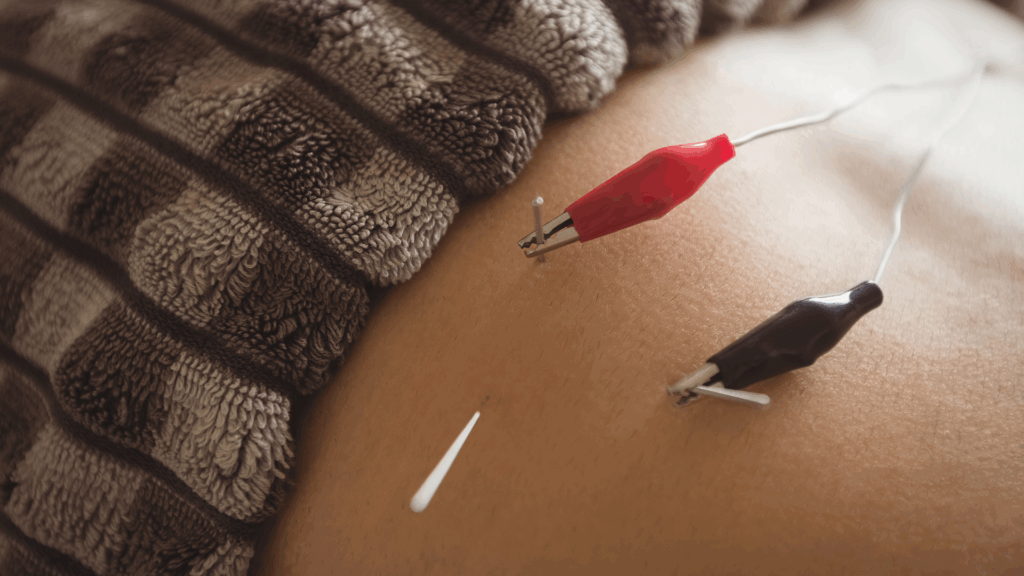
- Acupuncture directly influences the body’s regulation of sleep hormones and nervous system activity — a natural complement to the physical relaxation that massage provides.
- Reiki healing works at an energetic level, addressing the underlying tension and emotional residue that physical massage alone may not fully reach.
- Cupping therapy can help release deeper layers of muscular and fascial restriction, particularly in the back and shoulders — areas that hold chronic tension and directly affect sleep posture and comfort.
For anyone wanting to understand more about the wider benefits of cupping therapy as part of a sleep-focused wellness plan, it’s worth exploring how the two approaches differ and overlap.
FAQs
How soon after a Swedish massage will sleep improve?
Most people notice a difference the very same night, particularly in how quickly they fall asleep and how deeply they rest. Longer-term improvements in sleep consistency tend to emerge after several sessions.
Is a Swedish massage for sleep purposes different from a regular session?
Not structurally. The same five core techniques are used. However, a therapist informed about sleep goals may place particular emphasis on calming effleurage and spend more time on areas like the neck, shoulders, and scalp — regions closely connected to nervous system tension.
How many sessions are typically needed to see meaningful sleep improvements?
One session can produce immediate results, but three to six sessions over six to eight weeks tends to create more sustained change — particularly for people dealing with chronic stress or long-standing sleep disruption.
Can Swedish massage help if sleep difficulties are anxiety-related?
Yes — and this is one of its strongest applications. The cortisol-lowering and serotonin-boosting effects of Swedish massage directly address the neurochemical basis of anxiety-related sleep issues. It won’t replace clinical support where that’s needed, but it can be a meaningful and effective part of managing anxiety’s physical toll.
Sleep problems are rarely solved by a single fix, but Swedish massage consistently proves to be one of the most effective physical interventions available. It works with the body’s own systems — lowering stress hormones, activating the rest response, and clearing the muscular tension that quietly signals the nervous system to stay on guard. For anyone whose sleep has been suffering, it’s a treatment worth taking seriously.
To find out how massage therapy at Serenova Treatments can support better sleep as part of a personalised wellness plan, book an appointment and take the first step toward genuinely restorative rest.