Ovulation is the central event of the reproductive cycle. Without it, conception is not possible. Acupuncture for ovulation is gaining real traction as a way to support this process, particularly for those whose cycles are irregular, unpredictable, or disrupted by a condition like PCOS.
The reasons ovulation falters vary widely. Hormonal imbalances, thyroid dysfunction, chronic stress, and elevated androgens are among the most common. Acupuncture for ovulation works through several physiological pathways that address these causes directly, not just the symptoms that sit alongside them.
Key Takeaways
- Acupuncture for ovulation works by regulating the hormonal axis that triggers egg release each cycle.
- It is particularly well-evidenced for those with PCOS, where hormonal imbalance disrupts or prevents ovulation.
- Chronic stress is a direct suppressor of ovulation. Acupuncture addresses this at a physiological level, not just a psychological one.
- Results are cumulative. Consistent treatment over several cycles produces better outcomes than isolated sessions.
- Acupuncture for ovulation works alongside conventional treatment, including ovulation induction medication.
- The menstrual cycle as a whole responds to acupuncture, not just the ovulation event itself.
Why Ovulation Fails or Becomes Irregular

Ovulation is triggered by a precise hormonal sequence. The hypothalamus releases GnRH, which signals the pituitary to release LH and FSH. Those hormones stimulate follicle growth in the ovaries. When a follicle reaches maturity, a surge in LH triggers its release.
Any disruption to that sequence can delay, prevent, or produce poor-quality ovulation. The most common disruptors include elevated androgens in PCOS, thyroid irregularities, high cortisol from chronic stress, and low body weight.
The Role of Stress in Anovulation
Stress deserves particular attention here. When the body is under sustained stress, cortisol rises, and the hypothalamus responds by pulling resources away from reproductive function. GnRH pulses become irregular, LH surges are dampened, and ovulation either does not occur or occurs much later in the cycle than expected.
This is not a psychological quirk. It is a hard-wired physiological trade-off. Acupuncture’s direct influence on the nervous system and stress hormones makes it one of the more targeted tools available for stress-related ovulatory disruption.
How Acupuncture for Ovulation Works Physiologically
Regulating the HPO Axis
The hypothalamic-pituitary-ovarian (HPO) axis is the hormonal control system for ovulation. Acupuncture for ovulation has been shown to influence this axis at multiple points, improving the regularity and quality of the hormonal signals that drive follicle development and egg release.
For those with irregular cycles, this is where consistent fertility acupuncture tends to produce the most noticeable results. Cycles that were previously unpredictable often become more regular within two to three months of weekly treatment.
Supporting Follicle Development
Before ovulation can occur, a follicle must develop to maturity. That process depends on good blood supply to the ovaries and a healthy hormonal environment throughout the follicular phase.
Improved blood circulation to the uterus with Acupuncture is one of the more consistent findings in fertility acupuncture research. Better blood flow means better-nourished follicles, which support both the quality of ovulation and the quality of the egg released.
Reducing Androgens in PCOS
PCOS is the most common cause of anovulation. It is characterised by elevated androgens, insulin resistance, and disrupted LH-to-FSH ratios, all of which interfere with the follicle development and ovulation process.
Acupuncture for ovulation in PCOS has been studied specifically in this context. Research indicates that regular acupuncture can lower testosterone levels, improve LH-to-FSH ratios, and increase the frequency of ovulation in women with PCOS. The results are not instant, but they are meaningful over a sustained course of treatment.
Reducing Inflammation
Low-grade chronic inflammation is increasingly recognised as a factor in ovulatory dysfunction, particularly in conditions like endometriosis and PCOS. The inflammatory environment affects both the follicle and the hormonal signals that trigger its release.
Acupuncture reduces systemic inflammation and creates a less hostile hormonal environment for ovulation to occur. This is particularly relevant for those whose irregular ovulation sits alongside a diagnosed inflammatory condition.
Balancing the Menstrual Cycle Overall
How acupuncture supports ovulation cannot be separated from how it supports the cycle as a whole. Ovulation sits at the midpoint of the cycle, and what happens before and after it is equally important.
The luteal phase, which follows ovulation, needs adequate progesterone and stable blood flow to the uterine lining. Acupuncture’s role in supporting overall reproductive health spans the entire cycle, not just the ovulation event itself.
What to Expect From Treatment

How Long Before Results Show
Acupuncture for ovulation is not a one-session fix. Meaningful hormonal change takes time, and most practitioners recommend a minimum of three months of consistent treatment before drawing conclusions.
For those with PCOS or significantly disrupted cycles, this timeline is even more important. The body needs time to shift out of established hormonal patterns. Weekly sessions in the first two months, tapering to fortnightly once the cycle begins to regulate, is a common structure.
What Treatment Looks Like
Sessions typically last 45 to 60 minutes, including an initial consultation where your cycle history, symptoms, and any diagnoses are discussed in detail. Acupuncture within Traditional Chinese Medicine views the menstrual cycle as a window into the body’s overall balance, so the questions asked in that first session go well beyond cycle dates.
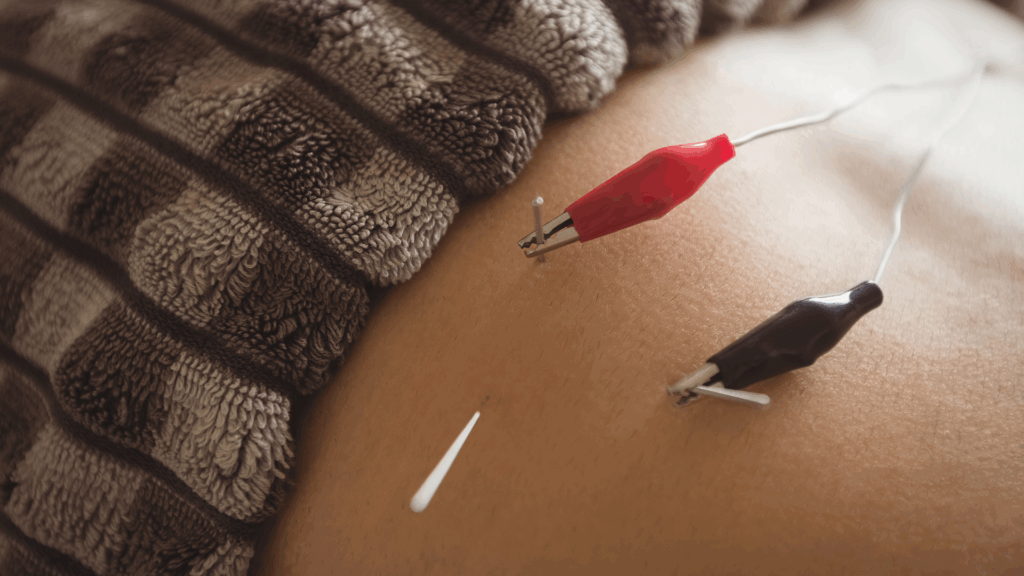
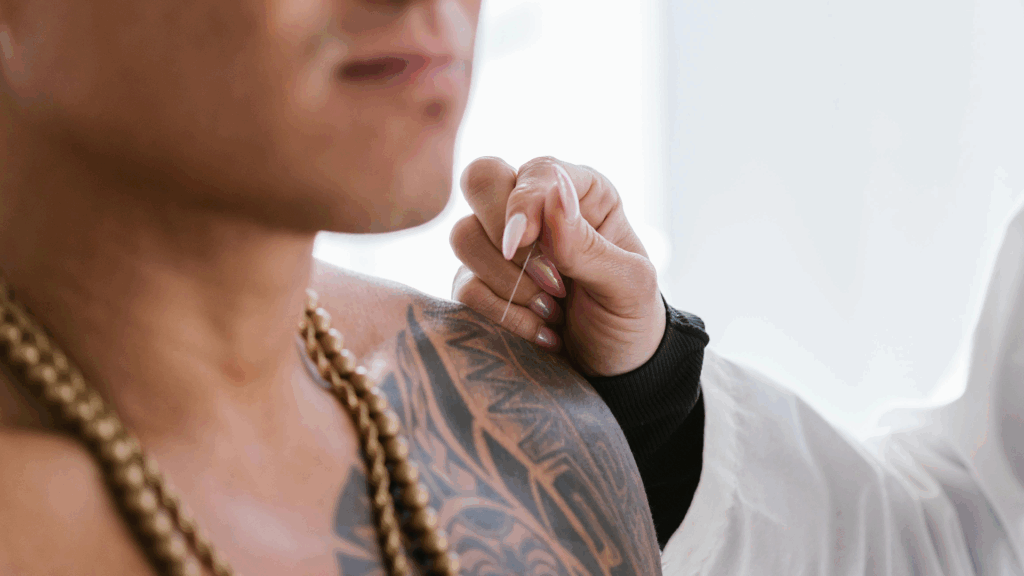
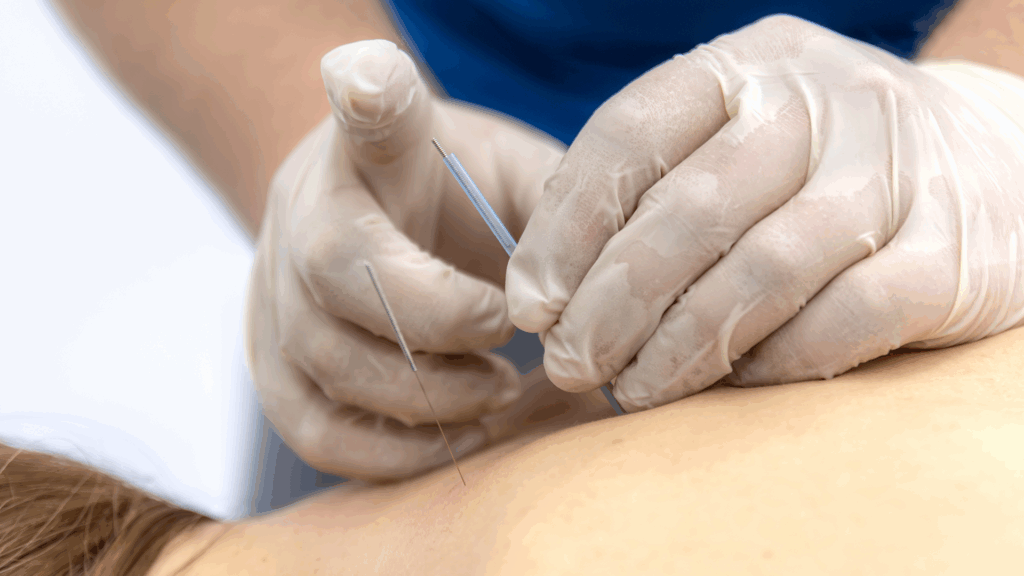
Needles are placed on points relevant to ovarian and hormonal function, often on the lower abdomen, legs, and lower back. Sessions during the follicular phase, the two weeks before ovulation, tend to be the most active for ovulation-specific support.
Combining Acupuncture With Ovulation Induction
For those taking Clomid, Letrozole, or injectable gonadotrophins to trigger ovulation, acupuncture sits comfortably alongside these medications. It does not interfere with how they work. Many practitioners time sessions to complement the medication protocol, supporting the body’s response to treatment rather than working independently of it.
Some people also find that mind and body therapies alongside acupuncture, particularly when stress is a significant factor, provide additional support for the broader hormonal picture.
Frequently Asked Questions
How does acupuncture for ovulation help someone with PCOS?
Acupuncture for ovulation in PCOS works primarily by reducing androgen levels, improving the LH-to-FSH ratio, and supporting more regular follicle development. It also addresses the insulin resistance and stress response that often sit alongside PCOS. Results are typically seen after two to three months of weekly treatment, and some people see cycle regularity return within that window without additional medication.
Can acupuncture help if I am ovulating but the timing is off?
Yes. Late ovulation is a common problem that affects both natural conception and fertility treatment cycles. When ovulation consistently occurs after day 18 or 20, it often points to a sluggish follicular phase or elevated stress hormones. Acupuncture for ovulation timing works through its effect on the HPO axis, bringing the hormonal sequence back into a more regular rhythm across consecutive cycles.
How many sessions do I need before ovulation improves?
Most people begin to notice cycle changes within six to eight weeks of weekly sessions. Meaningful and sustained improvement in ovulation, particularly in cases involving PCOS or anovulation, generally requires three months of consistent treatment. Starting acupuncture earlier in the process and committing to a planned course gives the best outcomes, compared to ad-hoc sessions around a single cycle.
Ovulation is not something that simply happens or does not happen. It is the result of a hormonal sequence that responds to the conditions around it. At Serenova Treatments, our approach to acupuncture for ovulation is built around understanding your individual cycle, identifying what is disrupting it, and working consistently to shift that pattern. If your cycles are irregular or ovulation has become unpredictable, book a consultation at Serenova and let us put together a plan that works with your body.