The two week wait is the stretch between embryo transfer and your pregnancy test. It is widely considered the hardest part of an IVF cycle. You have done everything asked of you. Now there is nothing left to do but wait.
Most people find this period far more difficult than they expected. The uncertainty is relentless, the physical symptoms are confusing, and the urge to look for signs is exhausting. Acupuncture during the two week wait gives you something genuinely useful to do with that time.
Key Takeaways
- Acupuncture for fertility during the two week wait is not about forcing implantation. It is about creating the best possible internal conditions for it.
- The nervous system, progesterone levels, uterine blood flow, and sleep quality all remain relevant after transfer. Acupuncture supports all of them.
- Anxiety during the TWW is not just emotional. It has measurable hormonal effects that can interfere with early implantation.
- Sessions in this phase are gentle and focused. This is not the time for strong treatment.
- Acupuncture also helps manage the physical side effects of progesterone supplementation, which are often significant.
- It provides structure and support during a period when most people feel completely passive.
Why the Two Week Wait Is So Hard
After the transfer, you are asked to go home and live normally. But nothing about the situation feels normal. You are hyper-aware of every twinge, every cramp, every wave of nausea or absence of it.
The progesterone supplements prescribed after transfer cause symptoms that closely mirror early pregnancy signs. That overlap makes the wait even harder to navigate. It becomes almost impossible to read your own body with any confidence.
What Is Actually Happening Internally
The embryo, if it has implanted, is beginning to produce hCG. The uterine lining needs to remain receptive and well-supplied with blood. Progesterone levels need to hold steady throughout the luteal phase.
These are not passive processes. They require a physiological environment that supports them. Acupuncture during the two week wait is aimed at maintaining exactly that environment.
How Acupuncture During the Two Week Wait Helps

Keeping the Uterus Well-Supplied
Blood flow to the uterus remains important in the days and weeks following transfer. A well-nourished endometrium supports the early stages of implantation and the development that follows.
Acupuncture increases blood flow to the uterus and maintains that circulation after transfer. It is one of the more direct physiological contributions it makes during this phase.
Supporting Progesterone Levels
Progesterone is essential in the two week wait. It stabilises the uterine lining and supports the early pregnancy environment. Low or unstable progesterone is associated with implantation failure and early miscarriage.
Acupuncture influences the hormonal axis that regulates progesterone production. Acupuncture helps with reproductive hormone balance. Moreover, it is low risk in this window and a practical way to help maintain the luteal phase conditions your body needs.
Calming the Stress Response
Stress after transfer is not just uncomfortable. Elevated cortisol suppresses the reproductive hormones that the early implantation process depends on. The body’s stress response and its reproductive function are genuinely in competition with each other.
Acupuncture calms the nervous system by shifting the body away from sympathetic activation and toward a more regulated, restful state. That shift has real downstream effects on the hormonal environment during the TWW.
Managing Progesterone Side Effects
Most people taking progesterone supplements after transfer experience side effects. These are not trivial. They include:
- Bloating and abdominal fullness, which can be difficult to distinguish from cramping
- Breast tenderness is often significant
- Fatigue, which combines with poor sleep to compound the emotional difficulty
- Mood changes, including low mood and irritability
- Headaches, particularly in the first week after transfer
Acupuncture during the two week wait is well-suited to managing all of these. It does not eliminate the side effects, but it reduces their intensity and makes them more manageable day to day.
Improving Sleep
Sleep during the TWW is frequently disrupted. Anxiety keeps people awake at night, and fatigue during the day creates a cycle that is hard to break.
Poor sleep raises cortisol, which loops back into the stress-fertility connection. Acupuncture’s effects on mental well-being and sleep are among the most consistently reported benefits, and in the context of the two week wait, better sleep is genuinely therapeutic.
Reducing Inflammation
Low-level inflammation in the uterine environment can interfere with implantation. While a degree of inflammatory activity is part of the normal implantation process, excessive inflammation is not helpful.
The body’s ability to regulate inflammation through acupuncture makes it relevant here, particularly for those with conditions such as endometriosis or a history of implantation failure.
What Sessions Look Like During This Phase
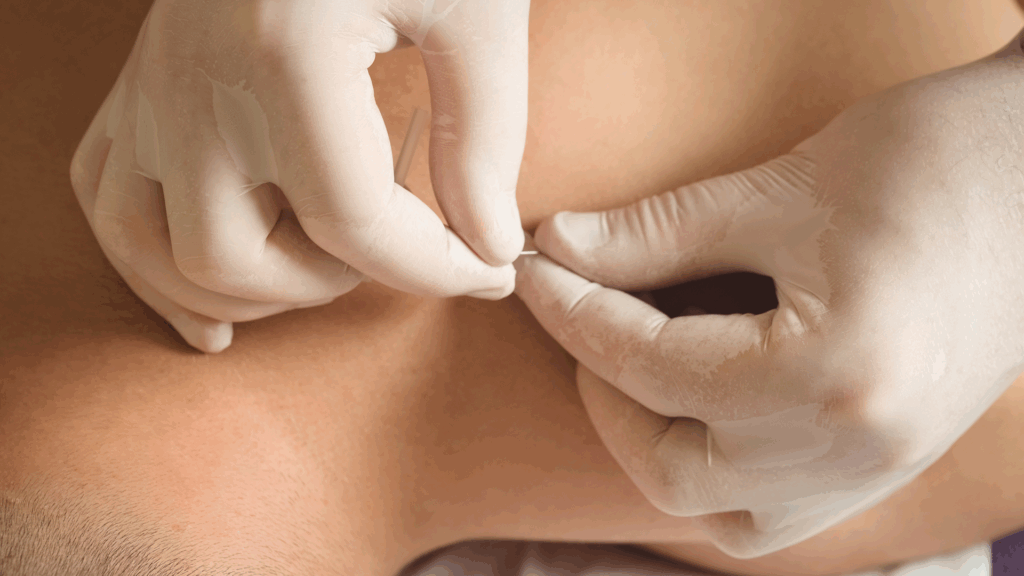
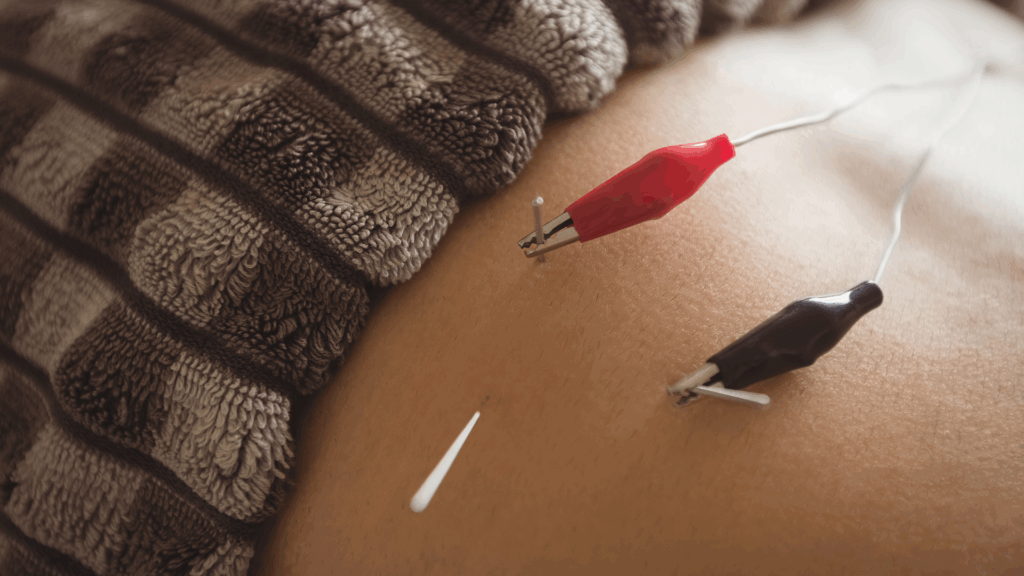
Acupuncture during the two week wait is intentionally gentle. Sessions use fewer points and lighter stimulation than earlier phases of treatment. The aim is to hold a calm, supportive physiological state, not to provoke a strong response.
Points are typically located on the legs, feet, lower back, and hands. The abdomen may be used selectively depending on the practitioner’s approach and how far post-transfer you are. Most sessions last around 25 to 30 minutes.
People consistently describe feeling calmer and sleeping better after sessions in this phase. That alone, given what the two week wait puts people through, has real value.
How Often Should You Have Acupuncture in the TWW

For most people, one to two sessions during the two week wait is appropriate. The first is ideally within two to three days of transfer. A second session around day seven to ten of the wait can provide ongoing support through the second half.
This works best as a continuation of fertility acupuncture that started before the cycle, not as a standalone intervention added in at the last minute. A practitioner who knows your history can adjust the approach based on how you are responding.
Some people also find that pairing a TWW acupuncture session with a massage therapy session helps manage the physical tension and emotional weight that builds during the wait. The two work well together when you need more than one hour of quiet.
Frequently Asked Questions
Can acupuncture during the two week wait affect the embryo?
No. The needles do not reach the uterus and do not interact with the embryo directly. Treatment is targeted at circulation, nervous system regulation, and hormonal support. It is a non-invasive therapy with a well-established safety record in the context of fertility treatment.
Is it safe to have acupuncture after a fresh and a frozen transfer?
Yes to both. Acupuncture during the two week wait is appropriate whether you have had a fresh or frozen embryo transfer. The goals are the same: supporting the uterine environment, managing side effects, and keeping the nervous system settled. Always make sure your practitioner knows the specifics of your transfer and medication protocol.
What if I feel worse after a session during the TWW?
Mild fatigue or a brief increase in pelvic sensation after acupuncture is normal and typically resolves within 24 hours. It reflects the body responding to treatment, not anything going wrong. If you experience anything more pronounced, contact your practitioner. Serious adverse effects from acupuncture are rare, and any concerns should always be reported and assessed.
The two week wait is not a time to sit passively and hope. At Serenova Treatments, acupuncture sessions during this phase are specifically designed to support the physiological conditions that matter most after transfer. If you are in a cycle or planning one, book a consultation at Serenova Wellness and let us put together a plan that carries you through every stage of the process.