Meridians are the invisible channels through which Qi flows in the body. They connect organs, tissues, and systems into one integrated network. Traditional Chinese Medicine maps 20 of these channels across the entire body. Twelve are primary meridians, each tied to a specific organ system.
The remaining eight act as reservoirs that regulate energy across the whole network. Acupuncture works by accessing these channels at specific points along their path. When a channel is blocked or weak, the organ it serves suffers. Understanding how meridians work explains why acupuncture produces effects far beyond the needle site.
Key Takeaways
- Meridians are pathways that carry Qi through the entire body.
- Twelve primary meridians each correspond to a specific organ system.
- Eight extraordinary meridians act as reservoirs that regulate the primary channels.
- Acupoints are locations where Qi is closest to the surface and most accessible.
- Blocked meridians produce pain, illness, and emotional imbalance.
- Needling, cupping, and massage all work directly through the meridian network.
What Are Meridians?
The Basic Concept
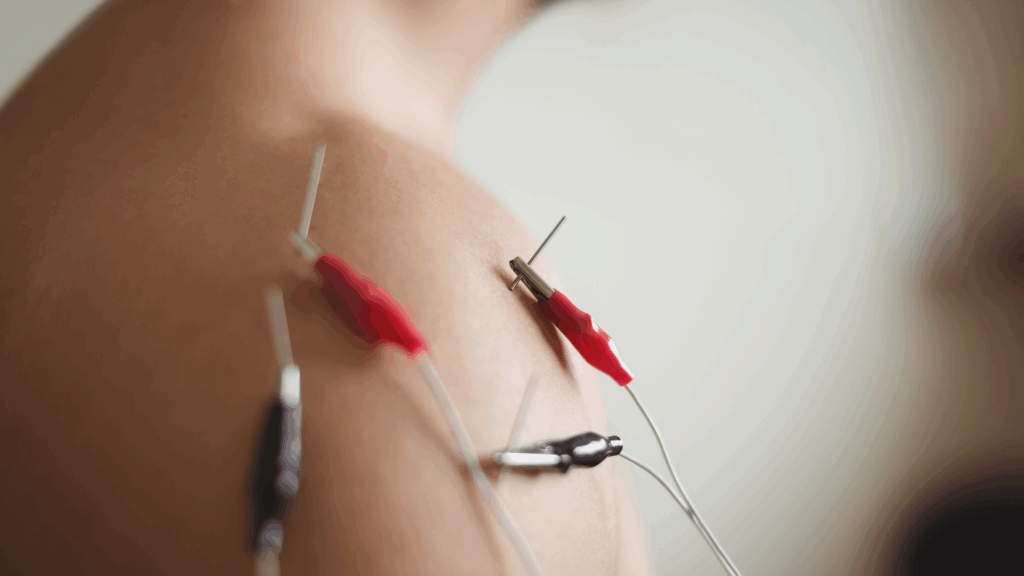
Meridians are not blood vessels or nerves, though they run alongside them. They carry Qi and Blood through the body in a continuous cycle. Without free meridian flow, organs cannot receive the energy they need.
Where the Idea Comes From
The meridian system was first mapped in the Huangdi Neijing around 200 BCE. Physicians observed patterns in how illness spread and how treatment in one area affected another. Those observations, refined over centuries, form the clinical map used today.
Are Meridians Real?
Modern research has found structural correlates along classical meridian paths. Dr Helene Langevin’s work shows that acupuncture needle manipulation changes connective tissue, or fascia. Fascia forms a continuous body-wide network that closely mirrors the meridian map.
The Twelve Primary Meridians

How They Are Organised
The twelve primary meridians run bilaterally through the body from head to foot. Six are Yin meridians, and six are Yang, paired by organ relationship. Each pair works together to maintain balance within its system.
The Yin Meridians
Yin meridians run along the inner surfaces of the limbs and torso. They are linked to organs that store and nourish: the lung, Spleen, Heart, Kidney, Pericardium, and Liver. Deficiency, fatigue, and nourishment issues typically involve these channels.
The Yang Meridians
Yang meridians run along the outer surfaces of the limbs and the back. They connect to organs that process and transform: Large Intestine, Stomach, Small Intestine, Bladder, San Jiao, and Gallbladder. These organs respond well to acupuncture for reducing inflammation.
Meridians and Organ Clocks
Each meridian has a two-hour window when its Qi is at peak strength, the Liver meridian peaks between 1 am and 3 am, for example. Waking repeatedly at that time can signal Liver Qi stagnation needing attention.
The Eight Extraordinary Meridians
Their Role in the System
The eight extraordinary meridians do not connect to a specific organ. They act as reservoirs that absorb overflow and supply deficiency across the primary channels. Two of the most important are the Du Mai and the Ren Mai.
Du Mai and Ren Mai
The Du Mai runs up the spine and governs all Yang meridians in the body. The Ren Mai runs up the front midline and governs all Yin meridians. Together, they regulate the fundamental Yin and Yang balance of the whole system.
Acupuncture Points
What They Are
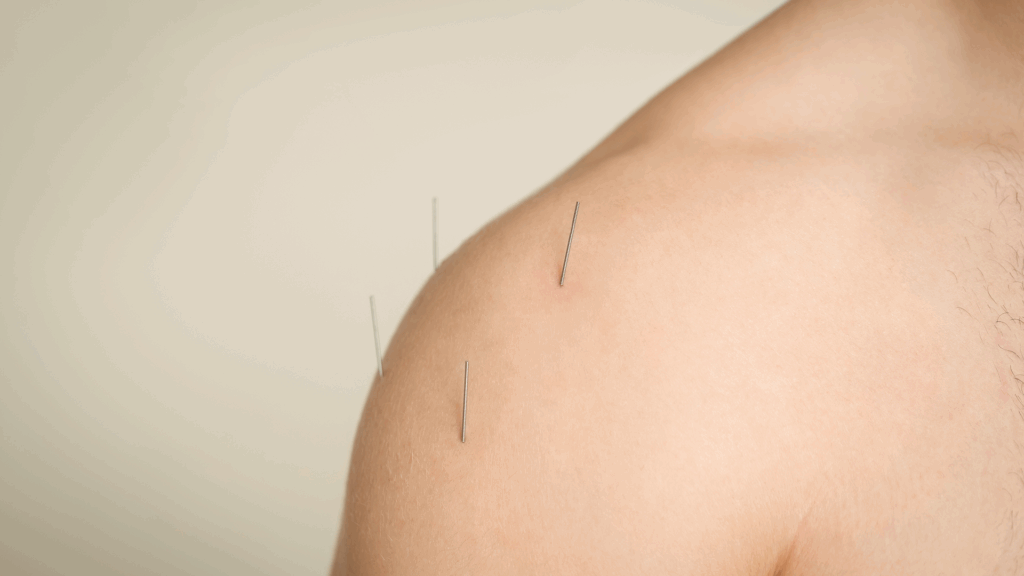
Acupoints are specific locations where Qi surfaces and can be directly accessed. There are over 360 classical points mapped across the meridian system. Each point has a defined function, such as moving stagnation, tonifying deficiency, or clearing heat.
How Needling Works
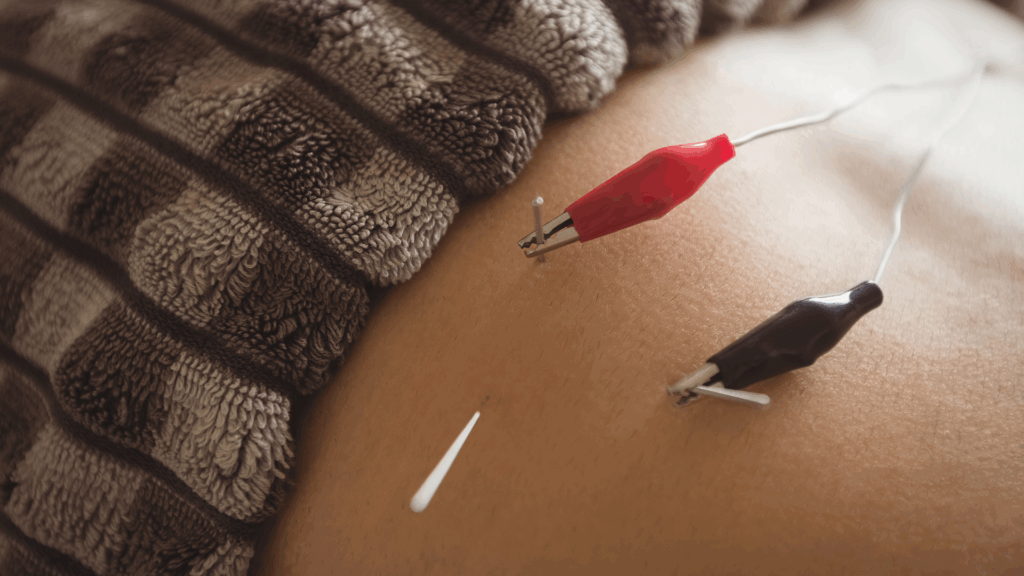
A fine needle at the right acupoint stimulates Qi movement along the channel. The signal travels the full length of the meridian, reaching the associated organ. This is why needling a point on the foot can affect the Liver or the eyes.
Point Selection Is Individual
No two treatment plans look the same, even for the same condition. A practitioner chooses points based on the specific pattern of Qi imbalance. Understanding your pattern fully is the basis of every acupuncture treatment.
What Blocks a Meridian?
Physical Causes
Injury, poor posture, and muscle tension all restrict Qi flow mechanically. Cold and damp environments cause the channels to contract and slow. This is why people seeking acupuncture for pain relief often report symptoms that shift with the seasons.
Emotional Causes
Every emotion in TCM is linked to a specific organ and its meridian. Prolonged stress stagnates the Liver meridian; grief constricts the Lung channel. This is central to how acupuncture addresses mental well-being, treating emotional and physical blocks.
Lifestyle Causes
Overwork depletes Kidney Qi, the root of constitutional energy in TCM. Poor diet weakens the Spleen and Stomach meridians over time. Insufficient sleep prevents the nightly Qi replenishment these channels depend on.
Treatments That Work Through Meridians
Acupuncture
Acupuncture is the most precise meridian-based treatment available. Needles reach specific depths within the channel to direct Qi intentionally. The full range of conditions addressed through acupuncture and Chinese medicine maps directly onto this system.
Cupping
Cupping creates suction that draws stagnant Qi and Blood to the surface. It works most effectively on the broad Yang meridians of the back and shoulders. Serenova offers both dry and wet cupping and Hijama as standalone or combined treatments.
Massage and Bodywork
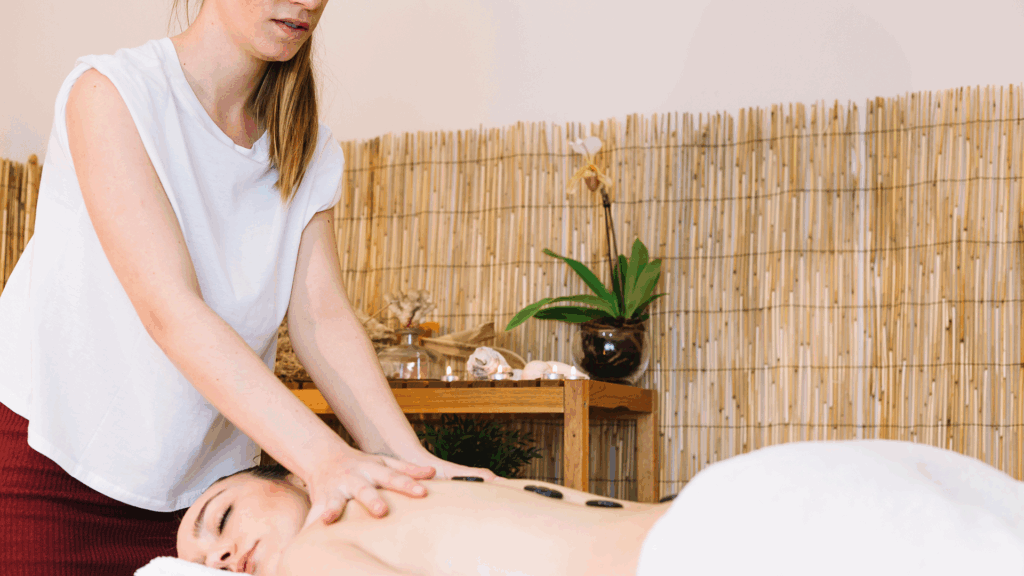
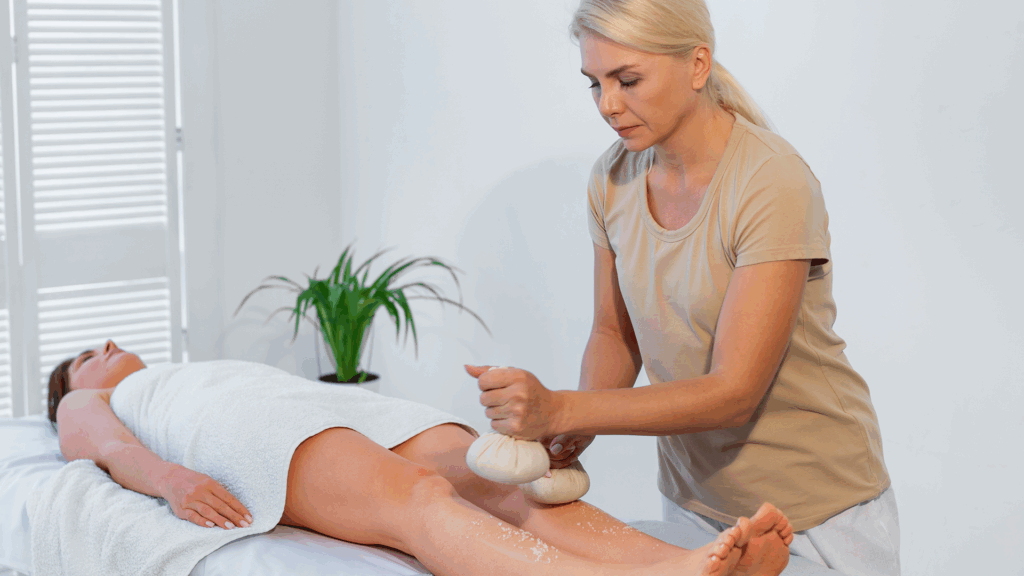
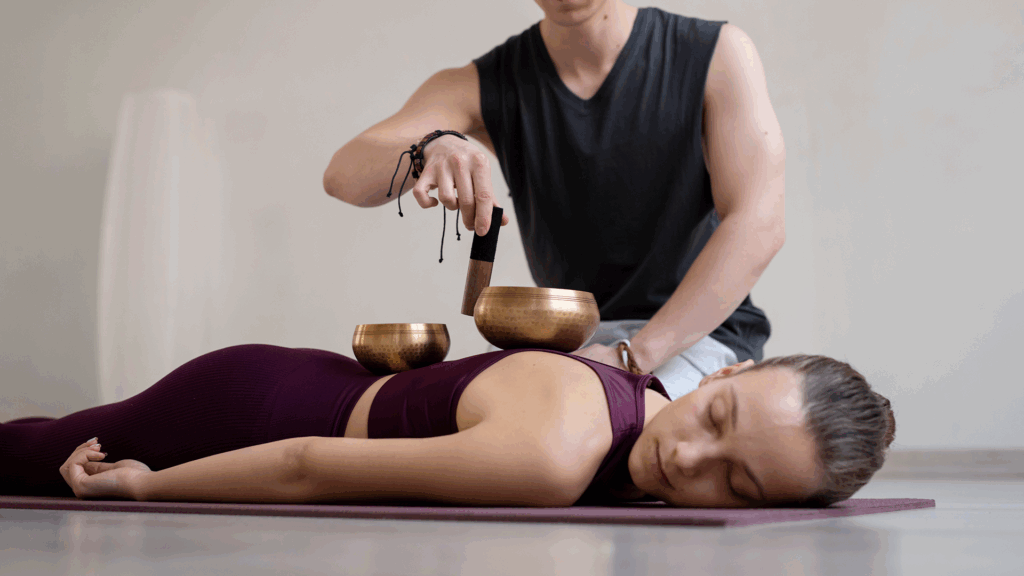
Massage along meridian pathways moves Qi without needles. Mind, body and massage treatments at Serenova incorporate acupressure points alongside muscle work. This makes them effective for clients who are new to TCM or needle-averse.
Fertility and the Meridians
The Kidney, Liver, and Spleen meridians are central to reproductive health in TCM. Kidney meridian Qi governs hormonal reserves and egg quality. Fertility acupuncture targets these specific channels to support conception and IVF outcomes.
Frequently Asked Questions
How does a practitioner find blocked meridians?
Pulse diagnosis reveals the relative strength of each organ’s meridian Qi. The tongue shows the condition of Blood and internal organ health. Together, these tools identify exactly which channels need clearing or strengthening.
Can I feel the meridians during treatment?
Many people feel a dull ache, warmth, or travelling sensation during needling. This is called De Qi, the arrival of Qi at the point. It is a sign that the channel has been activated and Qi is moving.
How many meridians connect to the head?
All twelve primary meridians have branches that reach the head and face. This explains why acupuncture treats headaches, jaw tension, and sinus issues effectively. It also underpins facial acupuncture as a systemic skin health treatment.
Does cupping work on the same meridians as acupuncture?
Yes, cupping is applied along the same meridian pathways used in acupuncture. It is especially effective for the Bladder meridian, which runs down the back. The full benefits of cupping therapy go beyond muscle relief into systemic Qi regulation.The meridian system gives TCM a complete map of how the body communicates with itself. Understanding it explains why treatment in one area produces changes somewhere else entirely. To find out which channels may need support in your body, book a session at Serenova Wellness.