
Yin and Yang are the two opposing forces that govern all life in TCM. Every organ, tissue, and body process carries a Yin or Yang quality. Health exists when these two forces remain in dynamic balance with each other.
Ancient Chinese thinkers observed that nothing in nature is purely one thing. Day turns into night; heat gives way to cold; activity requires rest. The body follows these same rhythms, and illness arises when balance breaks down.
Understanding Yin and Yang is not abstract philosophy. It is a practical clinical tool that shapes every diagnosis and treatment decision.
Key Takeaways
- Yin represents rest, nourishment, coolness, and substance in TCM.
- Yang represents activity, warmth, transformation, and function.
- Every organ has both Yin and Yang aspects that must stay balanced.
- Deficiency or excess in either force produces recognisable symptom patterns.
- Acupuncture, cupping, and massage restore Yin and Yang balance directly.
- Lifestyle, diet, and sleep all affect Yin and Yang daily.
What Yin and Yang Actually Mean
The Core Qualities of Each
Yin is associated with rest, coolness, moisture, darkness, and nourishment. Yang is associated with activity, warmth, dryness, brightness, and transformation. Neither is superior; the body needs both to function well.
They Are Relative, Not Absolute
Nothing is purely Yin or purely Yang in TCM. The kidney is Yin relative to the heart, but Yang relative to bone marrow. Context always determines which quality is being described.
The Symbol and What It Represents
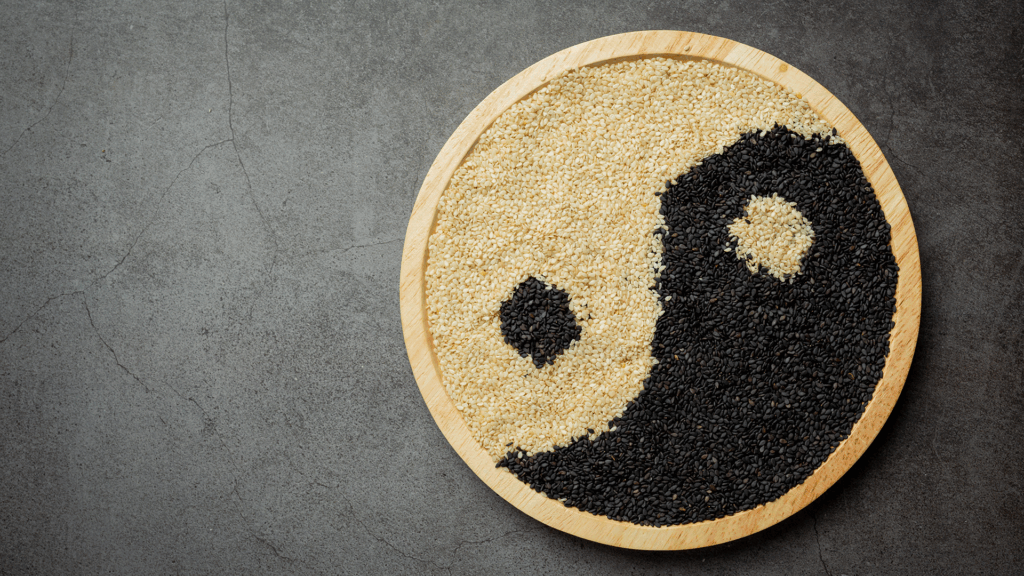
The Taijitu symbol shows Yin and Yang as two halves of one circle. Each half contains a small dot of the opposite colour, showing they are never absolute. Imbalance always begins internally before it becomes visible as symptoms.
Yin and Yang in the Body
Organ Pairs
Every organ in TCM is paired with a Yin or Yang partner. The Lung pairs with the Large Intestine; the Heart pairs with the Small Intestine. Treatment often works through these pairings to restore balance across both channels.
Structure Versus Function
Yin governs the physical structures of the body: tissues, fluids, and organs. Yang governs the functions these structures perform: digestion, circulation, and warmth. Depleted Yin breaks down form; depleted Yang slows function.
The Role of Qi
Qi sits at the intersection of Yin and Yang, carrying both qualities simultaneously. How Qi moves through the body is inseparable from understanding what Qi is in TCM. Together, the three form the foundation of every TCM assessment.
What Happens When Balance Breaks Down
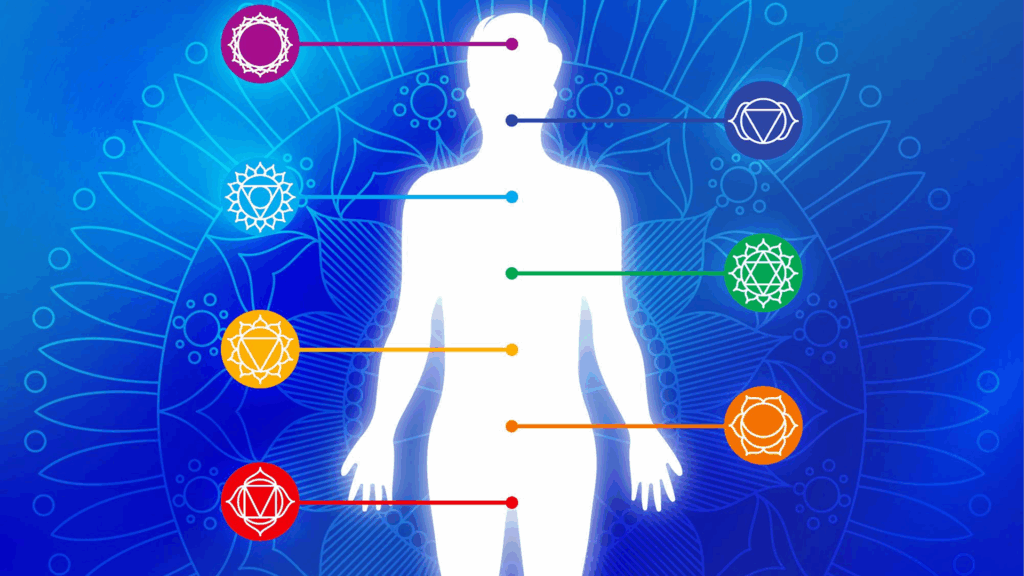
Yin Deficiency
Yin deficiency means the body lacks moisture, substance, and cooling capacity. Classic signs include night sweats, hot palms and soles, dry mouth, and restless sleep. The Heat felt is not true Yang excess; it is the absence of Yin to anchor it.
Yang Deficiency
Yang deficiency means the body lacks warmth, drive, and the energy to transform. Signs include persistent cold limbs, low metabolism, fatigue, low libido, and loose stools. The reproductive health implications of Yang deficiency are significant, particularly Kidney Yang weakness.
Yin Excess
Yin excess is less common but produces heaviness, fluid retention, and cold stagnation. The body becomes sluggish, circulation slows, and damp accumulates in the joints. Cupping therapy is particularly effective at shifting damp and cold stagnation from the channels.
Yang Excess
Yang excess generates heat, inflammation, agitation, and redness. Skin eruptions, high blood pressure, headaches, and anger are common presentations. This is one pattern where acupuncture’s role in reducing inflammation works by clearing excess Yang heat from the affected channels.
Yin and Yang in Diagnosis
Reading the Tongue
The tongue is one of the primary diagnostic tools in TCM. A red, dry tongue with little coating suggests Yin deficiency and heat. A pale, swollen tongue with a wet coating points toward Yang deficiency and cold.
Reading the Pulse
A rapid, thin pulse typically reflects Yin deficiency with internal heat. A deep, slow pulse suggests Yang deficiency and insufficient warming energy. Each wrist carries three positions, giving practitioners six readings per consultation.
Patterns, Not Symptoms
TCM never treats isolated symptoms without identifying the underlying Yin and Yang pattern. Two people with the same headache may have opposite patterns requiring opposite treatments. This is why acupuncture treatment begins with a full pattern diagnosis before any needles are placed.
How Treatments Restore Balance
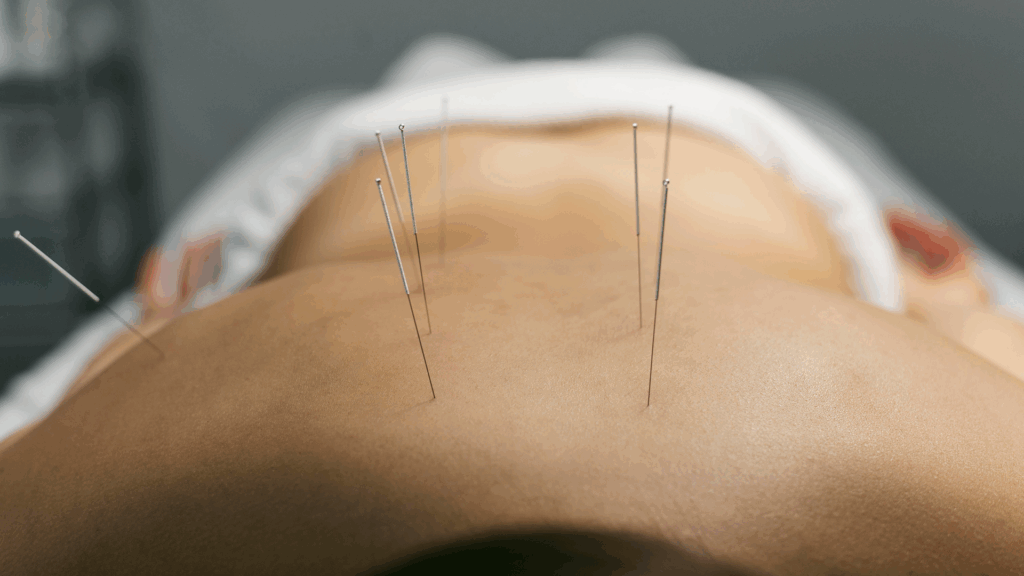
Acupuncture
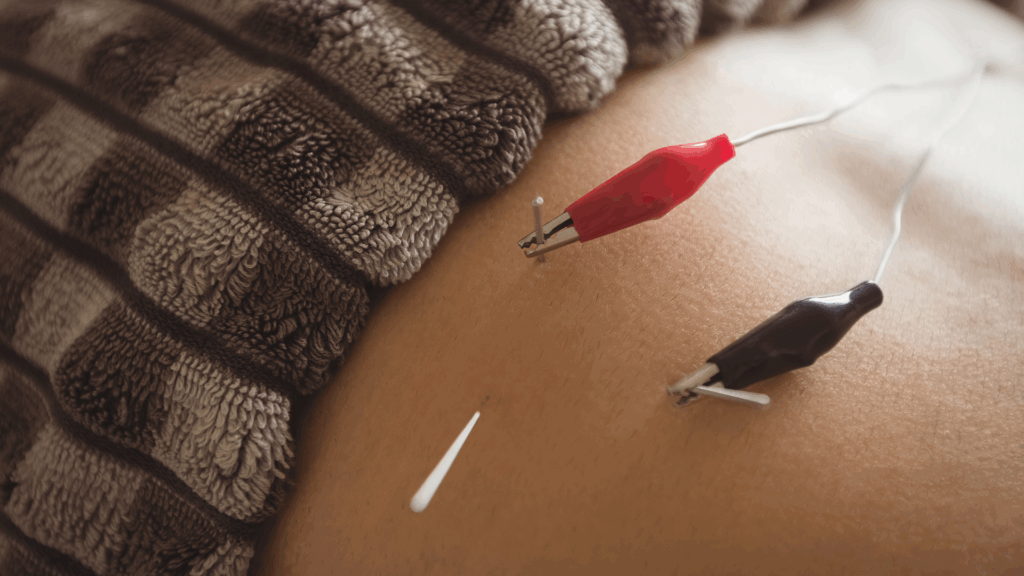
Specific acupoints tonify Yin or Yang depending on how they are needled. A practitioner can strengthen deficient Yin without disturbing Yang, and vice versa. This precision is what makes acupuncture & Chinese medicine effective across such a wide range of conditions.
Massage and Bodywork
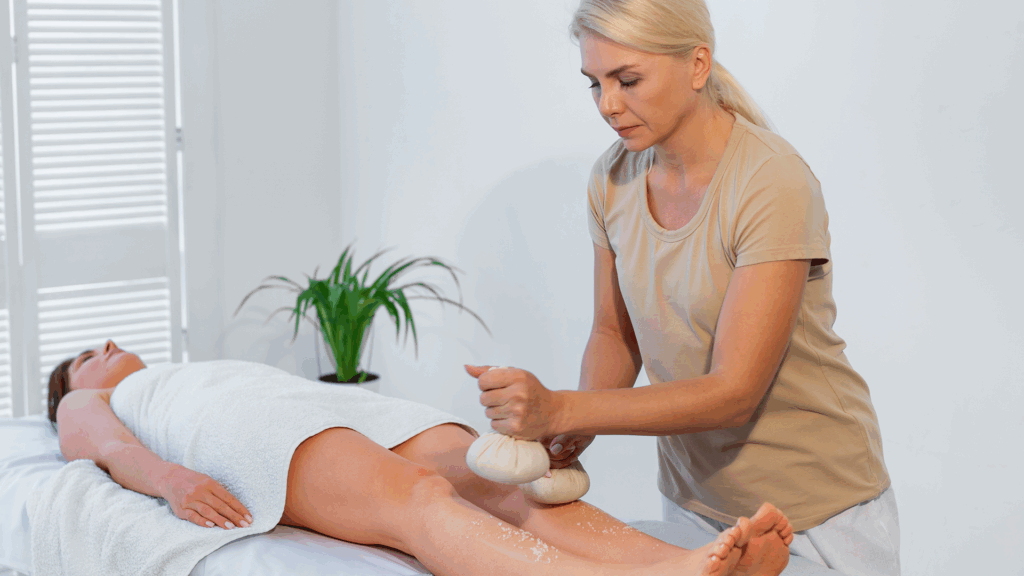
Gentle, nourishing massage techniques build Yin by calming the nervous system. Deeper, stimulating work activates Yang and moves stagnant energy. Mind, body and massage sessions at Serenova are adapted to your pattern, not applied as a standard formula.
Facial Acupuncture and Skin
In TCM, ageing skin often reflects declining Yin, particularly in the Blood and Kidney. Loss of moisture, elasticity, and radiance are classic Yin deficiency signs on the face. Facial acupuncture restores Yin nourishment to the skin from the inside out.
Supporting Yin and Yang Through Daily Life
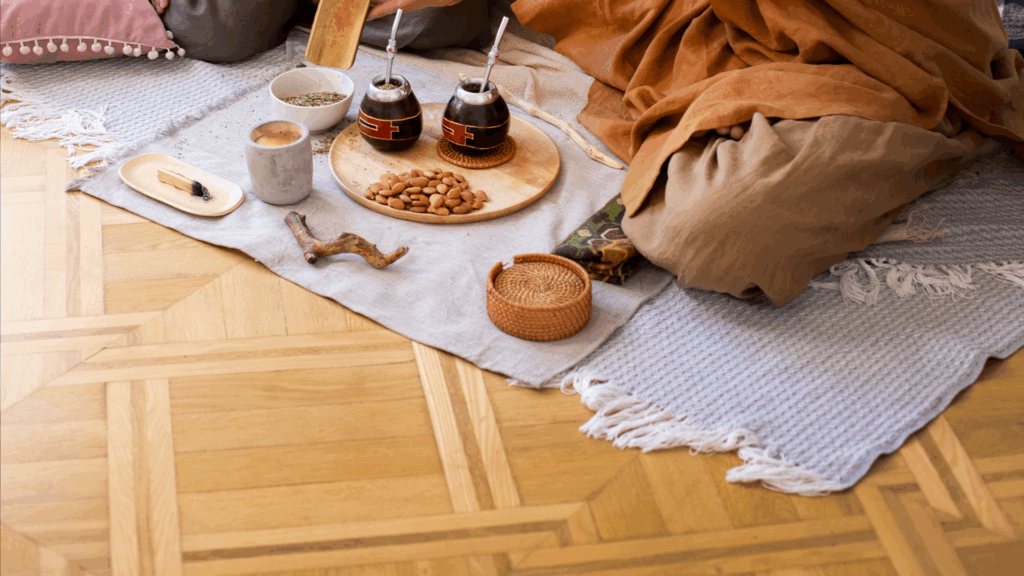
Protecting Yin
Yin is damaged by overwork, chronic stress, and insufficient sleep. Late nights and constant stimulation deplete it steadily over the years. Regular rest and early sleep are the simplest ways to maintain it.
Supporting Yang
Yang is weakened by cold exposure, sedentary habits, and excess raw or cold food. Warm cooked meals, regular movement, and time in sunlight all support it. These habits form part of every treatment conversation at Serenova.
Balance as a Daily Practice
Neither Yin nor Yang can be permanently fixed by treatment alone. Consistent lifestyle choices either maintain or undermine whatever a session achieves. Habits and clinical care always work together at Serenova.
Frequently Asked Questions
Is Yin and Yang the same as masculine and feminine?
Yin and Yang are not gender concepts in TCM. Both qualities exist in every person regardless of sex. The balance between them shifts with age, health, and season.
Can I have both Yin and Yang deficiency at once?
Yes, this is called a Yin and Yang dual deficiency pattern. It is common in older patients or those with long-term chronic illness. Treatment addresses whichever deficiency is causing the most immediate harm first.
How does stress affect Yin and Yang?
Chronic stress depletes Yin by overactivating Yang energy continuously. Over time, Yang burns out too, leaving both forces deficient. Acupuncture for mental well-being addresses this by calming Yang excess and rebuilding the Yin it has consumed.
How quickly can Yin and Yang be rebalanced?
Yang deficiency often responds faster than Yin deficiency to treatment. Yin takes longer to rebuild because it governs substance and structure. Deep Yin depletion typically needs eight to twelve sessions to resolve.
Yin and Yang give TCM its most powerful diagnostic lens. Every symptom reflects a shift in the balance between them. To find out which force needs support, book an appointment at Serenova Wellness.