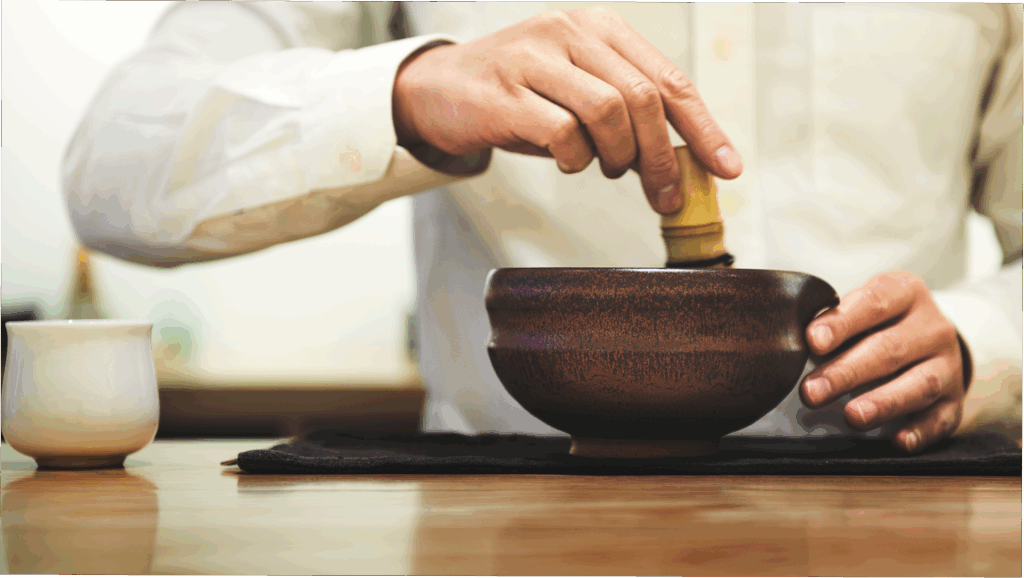
If you have ever tried acupuncture, cupping, or any form of Traditional Chinese Medicine (TCM), you will almost certainly have come across the concept of Qi (pronounced ‘chee’). It is a word that appears everywhere in holistic wellness circles, yet its meaning often remains elusive, particularly for those approaching it from a Western healthcare background.
Qi is the cornerstone of Traditional Chinese Medicine. It is the invisible force that practitioners believe animates all living things, flows through the body along defined pathways, and when balanced and unobstructed, maintains health, vitality, and emotional well-being. When Qi becomes deficient, stagnant, or disrupted, illness and disharmony are understood to follow.
This article explores the true meaning of Qi, its origins, how it functions in the body according to TCM, and how the therapies at Serenova Wellness in Studley help support and restore your Qi for a healthier, more balanced life.
Key Takeaways
- Qi is the life force flowing through all living beings in TCM.
- It travels via meridians, invisible channels connecting organs and tissues.
- Blocked or deficient Qi is seen as the root of most illnesses.
- Six distinct types of Qi each serve a different body function.
- Acupuncture, cupping, and massage all work to regulate Qi directly.
- Modern research links acupuncture’s effects to real neurological and tissue changes.
The Origins of Qi
Rooted in Ancient Philosophy
Qi comes from Taoist and Confucian thinking about the nature of existence. Ancient thinkers saw Qi as the substance underlying everything in the universe. The heavens, the earth, and all living things were expressions of it.
The Yellow Emperor’s Classic
The Huangdi Neijing, compiled around 200 BCE, first described Qi as medicine. It mapped the meridian system and linked Qi to every organ function. Practitioners today still diagnose using principles from that same text.
What Is Qi?
A Substance and a Function
Qi is both the raw material of life and the activity sustaining it. As substance, it is the refined essence drawn from food and air. As a function, it warms, protects, transforms, and holds the body in place.
Yin, Yang, and Balance
Qi moves between the opposing forces of Yin and Yang constantly. Yin governs stillness and nourishment, while Yang governs activity and warmth. Stress, poor diet, or trauma disrupts this balance and causes illness.
The Six Types of Qi
Yuan Qi (Original Qi)
Yuan Qi is the constitutional energy inherited from your parents at birth. It is stored in the Kidneys and is finite once used up. Healthy habits and regular treatment help conserve it over a lifetime.
Gu Qi (Grain Qi)
Gu Qi is extracted from food and drink during the digestive process. The Spleen and Stomach refine it and pass it to the Lungs. This is why diet is treated as a pillar of TCM health.
Zong Qi (Gathering Qi)
Zong Qi forms in the chest from digested food energy and breath. It drives the heartbeat and powers the Lungs’ function in breathing. Weakness here shows as breathlessness, chronic fatigue, or a weak voice.
Ying Qi (Nutritive Qi)
Ying Qi flows through blood vessels and meridians, nourishing the body. It is closely linked to Blood and is considered Yin in nature. Deficiency often appears as fatigue, pale skin, poor sleep, or poor focus.
Wei Qi (Defensive Qi)
Wei Qi circulates under the skin, protecting the body from illness. It regulates body temperature and controls pore opening and closing. Frequent colds, allergies, and weather sensitivity point to weak Wei Qi.
Zheng Qi (Upright Qi)
Zheng Qi is the collective healthy energy the body uses to fight disease. When strong, it prevents pathogens from establishing a foothold. Recovery from any illness involves rebuilding and strengthening this energy.
The Meridian System
What Meridians Are
Meridians are the invisible channels through which Qi circulates in the body. The twelve primary meridians each correspond to a specific organ system. Eight extraordinary meridians act as reservoirs, regulating flow across the whole network.
Acupuncture Points
Acupoints are locations where Qi rises closest to the body’s surface. A needle at the right point directs, tonifies, or clears Qi flow. The conditions treated through acupuncture and Chinese medicine span every organ system.
When Qi Is Imbalanced
Qi Deficiency
Deficient Qi means the body lacks energy for its basic functions. Common signs include persistent fatigue, pale skin, low immunity, and a weak voice. Treatment tonifies Qi through acupuncture, diet, and herbal support.
Qi Stagnation
Stagnation happens when Qi is blocked and cannot move through the channels. Stress is the most common cause, producing pain, irritability, and digestive issues. Acupuncture for pain unblocks the stagnant channels and restores free Qi movement.
Rebellious and Excess Qi
Rebellious Qi moves in the wrong direction, causing reflux, nausea, or coughing. Excess Qi, often with heat, drives inflammation, fever, and skin eruptions. This is how acupuncture reduces inflammation systemically, beyond the site of pain.
How Serenova Treatments Work With Qi
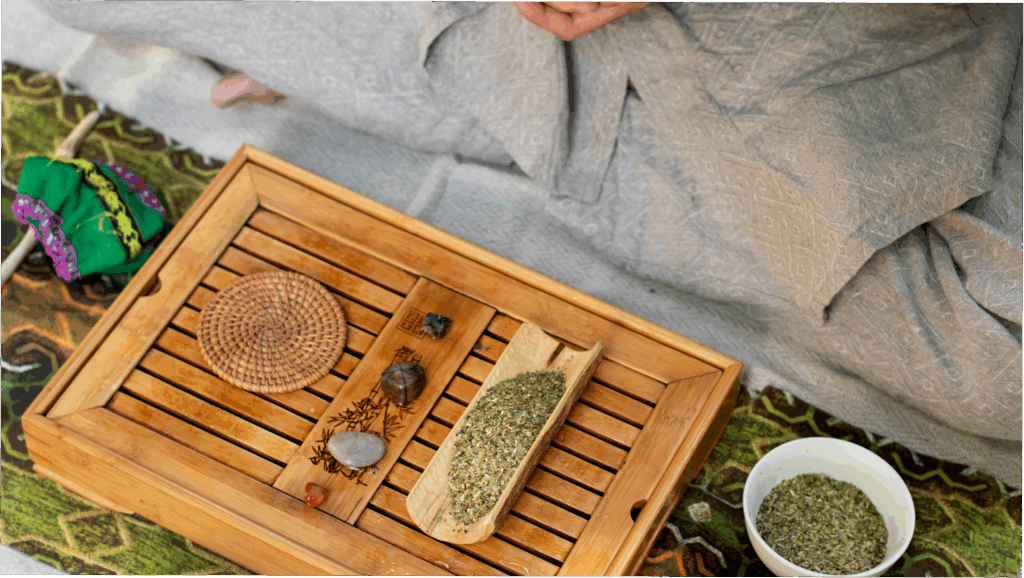
Acupuncture
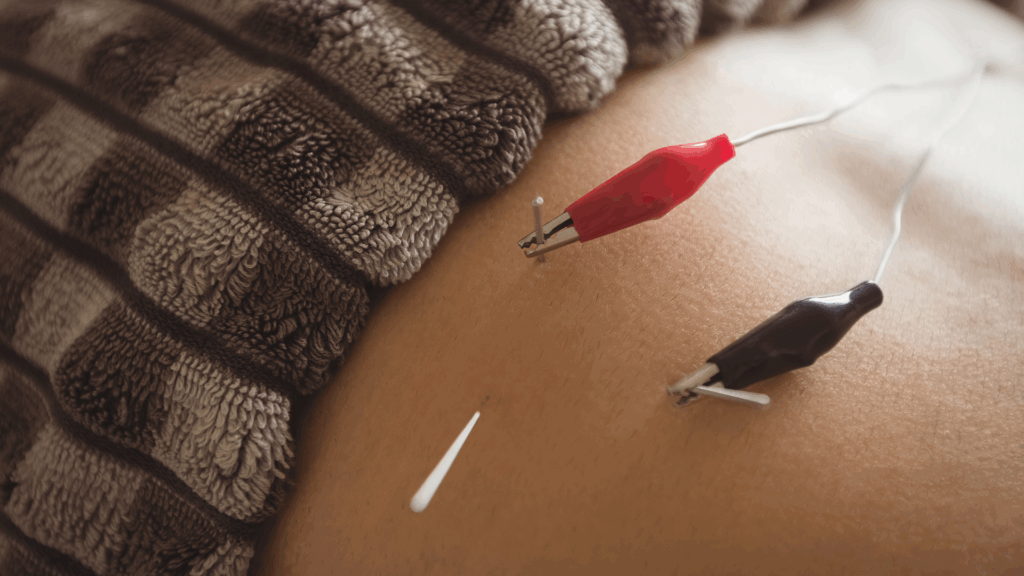
Fine needles inserted at specific acupoints restore and regulate Qi directly. Every acupuncture session at Serenova begins with a full TCM pattern assessment. Two people with the same diagnosis may receive very different treatments.
Fertility Acupuncture
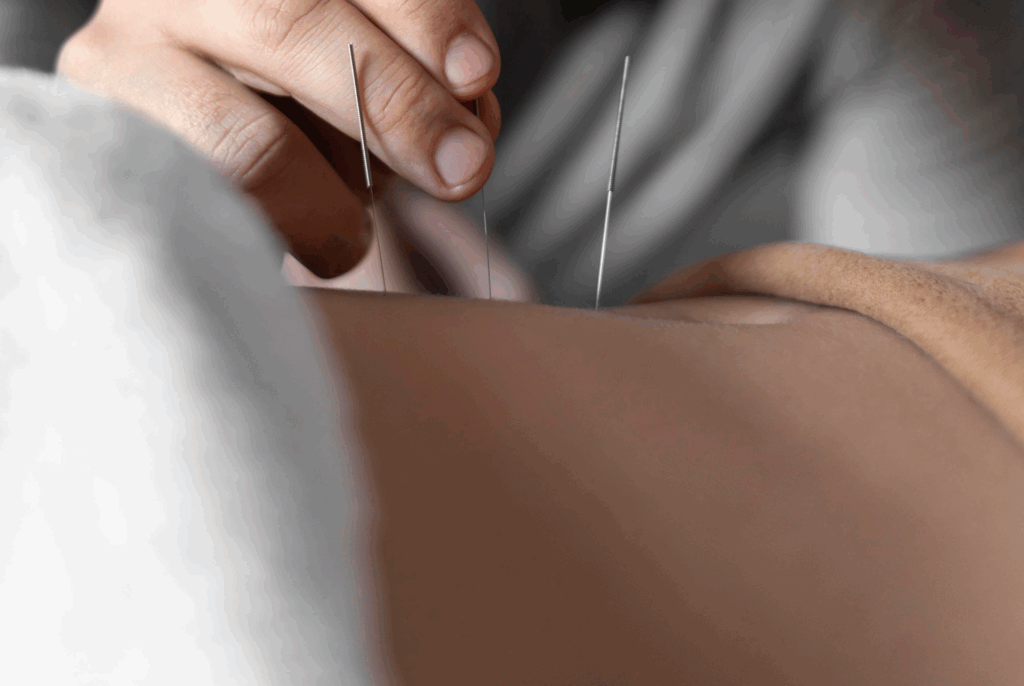
Fertility acupuncture targets Kidney Qi, Liver stagnation, and Blood quality simultaneously. It creates a stronger hormonal environment for natural conception or IVF. This connects to how acupuncture supports reproductive health beyond fertility treatment alone.
Cupping and Hijama
Cupping draws stagnant Qi and Blood to the surface of the skin. It relieves deep muscle tension and improves circulation through the meridians. Serenova offers dry and wet Hijama cupping therapy to suit different treatment needs.
Massage and Bodywork
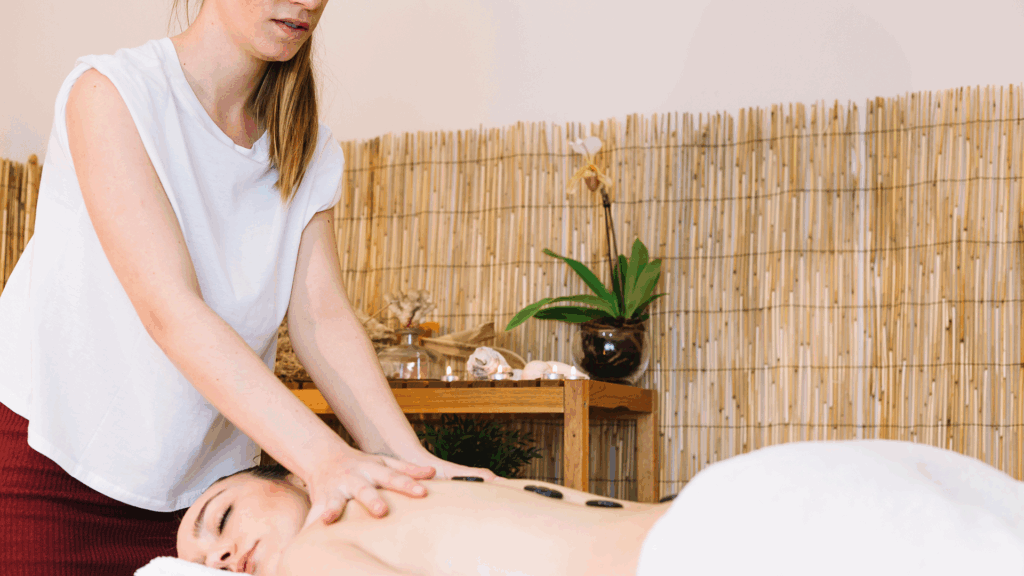
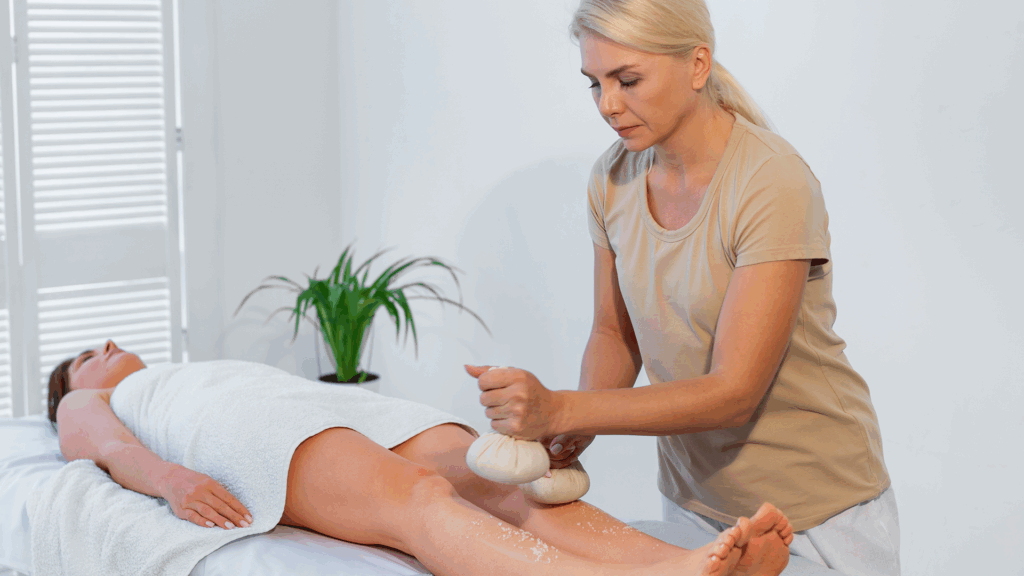
Massage at Serenova targets meridian pathways to move Qi alongside muscle tension. Regular sessions reduce Liver Qi stagnation caused by chronic daily stress. Reiki is also available for clients wanting to address emotional Qi patterns.
Facial Acupuncture
In TCM, the skin reflects the quality of Qi and Blood within. Facial acupuncture improves circulation and collagen by addressing internal Qi patterns. Dull skin and fine lines often signal Qi or Blood deficiency.
Acupuncture for Mental Health
Each emotion depletes or stagnates the Qi of a specific organ. Acupuncture for mental well-being shifts mood, sleep, and resilience through the organ pattern. Results often extend well beyond basic stress relief.
What the Research Shows
Fascia and Meridians
Dr Helene Langevin found that needling produces measurable changes in the fascia. Fascia is a body-wide network that coordinates inflammation and mechanical signalling. This may explain why meridian pathways correspond to real anatomical structures.
Neuroscience and Pain
Functional MRI studies show that needling changes activity in the limbic brain. This region governs pain, stress, and emotional processing. Needling also triggers the natural release of opioids and serotonin.
Supporting Your Qi Daily
Movement and Sleep
Qigong and Tai Chi were designed to cultivate and circulate Qi deliberately. Any regular movement, such as walking, yoga, or swimming, prevents stagnation over time. Sleep is when Qi replenishes internally; poor sleep depletes it steadily.
Diet and Stress
Warm, cooked foods support Spleen Qi; cold and raw foods weaken it. Irregular meals and overwork drain Qi faster than most people realise. Managing stress matters equally, since emotion directly disrupts organ Qi.
Regular Treatment
Preventive treatment keeps Qi balanced before imbalances develop into illness. Many Serenova clients come to maintain health, not just treat problems. To discuss your goals, reach out to the team and book directly.
Frequently Asked Questions
Is Qi scientifically proven?
Qi has not been identified as a measurable substance in a laboratory. Acupuncture does produce real neurological, immunological, and connective tissue effects. Most researchers treat Qi as a functional model, not a metaphysical claim.
How does a practitioner assess Qi?
Pulse diagnosis and tongue observation are the primary assessment tools in TCM. Each wrist position corresponds to a different organ system and its Qi. These, combined with your health history, reveal the pattern guiding treatment.
Does cupping also work with Qi?
Cupping moves stagnant Qi and Blood in the superficial meridian channels. Acupuncture reaches deeper organ patterns; the two are often used together. The benefits of cupping therapy page details which conditions each method addresses best.
How many sessions are needed?
Acute issues often improve within one to three acupuncture sessions. Chronic patterns typically need a course of six to twelve sessions. Your practitioner outlines a realistic plan at the very first appointment.
Qi is a working model for the body functioning as a connected system. Serenova Wellness uses TCM therapies to find and address your specific pattern. Book your appointment at Serenova Wellness to start the conversation with your practitioner.