Moving cupping therapy combines ancient healing with massage techniques. This dynamic approach offers unique therapeutic advantages. Understanding the technique helps you explore its powerful benefits.
This guide covers everything about moving cupping therapy. Learn the process, discover the benefits, and see how it differs from traditional methods.
What Is Moving Cupping?
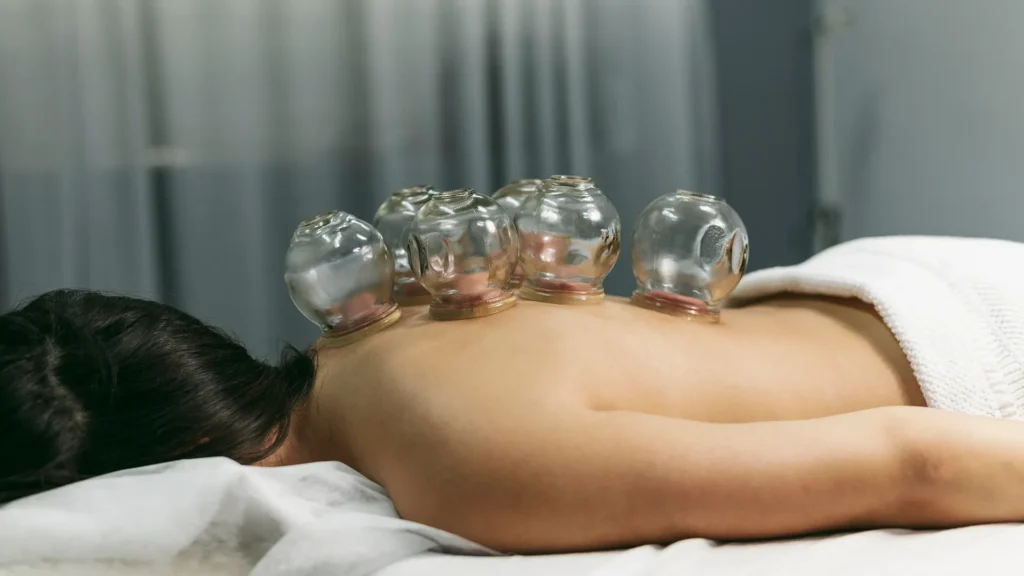
Moving cupping therapy involves gliding cups across the skin. Unlike stationary cupping, the cups remain in continuous motion. Oil applied to the skin allows smooth, fluid movement.
The Moving Cupping Technique
Cups are placed on oiled skin initially. Gentle suction is created through pumps or squeezing. The practitioner then slides the cups along muscle groups.
The gliding motion follows muscle fibres and fascia lines. Pressure remains consistent throughout the movement. The technique combines cupping benefits with massage therapy.
Historical Background
Traditional Chinese Medicine developed moving cupping centuries ago. Practitioners called it “sliding cupping” or “massage cupping.” Modern wellness has revived and refined this method globally.
Moving Cupping vs Stationary Cupping
Understanding the differences helps determine the right approach. Each method serves distinct therapeutic purposes. The moving cupping process offers unique advantages.
Key Differences
Stationary cupping keeps cups fixed for 5-15 minutes. It targets specific trigger points. Moving cupping therapy involves continuous cup movement covering larger treatment areas.
When to Choose Moving Cupping
Large muscle groups benefit from moving cupping. Back, thighs, and shoulders respond particularly well. Athletes often prefer this recovery method.
Fascial restrictions release more effectively with movement. Tight, knotted muscles loosen throughout the gliding motion. The technique suits those who enjoy massage.
The Moving Cupping Process
Knowing what happens during treatment reduces anxiety. Sessions follow a specific sequence for optimal results. The moving cupping process is systematic and thorough.
Preparation Phase
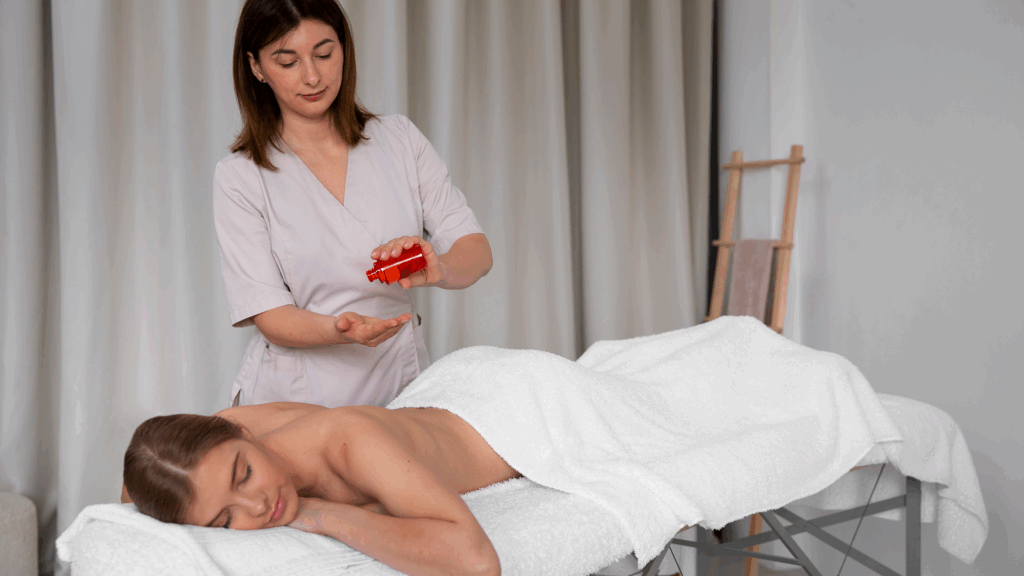
The treatment area is cleaned thoroughly. Oil is applied generously for smooth gliding. Cups are selected based on treatment areas, with silicone or glass working best.
Treatment Application
Cups are applied with light to medium suction. Long, flowing strokes follow muscle lines with consistent pressure. Treatment covers the entire muscle group systematically with multiple passes.
Post-Treatment Response
Skin appears pink or red, indicating increased blood flow. Temporary marks are lighter than stationary cupping. The treated area feels warm and relaxed with decreased muscle tension.
Benefits of Moving Cupping
Research and practice reveal numerous advantages. The benefits of moving cupping extend beyond traditional cupping. Many conditions respond exceptionally well.
Enhanced Circulation
Blood flow increases dramatically during treatment. Fresh blood, oxygen, and nutrients reach tissues efficiently. Stagnant blood and metabolic waste get mobilised quickly.
Deep Fascial Release
Fascia responds powerfully to moving cupping therapy. Adhesions between tissue layers break up effectively. The gliding action separates stuck fascial planes and improves the range of motion.
Muscle Tension Relief
Chronic muscle tightness releases during moving cupping. The technique reaches deeper layers than massage alone. Muscle fibres realign, and tension patterns get reset completely.
Pain Reduction
Moving cupping therapy provides significant pain relief for back, neck, and shoulder pain. Inflammatory markers are reduced,e and endorphins are released. Many report decreased pain medication needs over time.
Improved Athletic Performance
Athletes use moving cupping for enhanced recovery. Post-workout soreness diminishes quickly, and training readiness returns faster. Flexibility, range of motion, and injury prevention all improve significantly.
Ideal Candidates for Moving Cupping
Certain people benefit most from this technique. Physical conditions and preferences guide selection. The moving cupping process suits specific needs.
Best Suited For
Athletes seeking recovery optimisation. Office workers with chronic tension. Those with large areas of muscle tightness want fascial release work.
Conditions That Respond Well
Upper and lower back pain. IT band syndrome and hip tightness. Shoulder tension, plantar fasciitis, and post-surgical scar tissue restrictions.
Safety and Contraindications
Moving cupping therapy is generally safe when performed correctly. However, certain conditions require caution. Awareness prevents potential complications.
Who Should Avoid Moving Cupping
Pregnant women, people with active skin infections, and those with bleeding disorders should avoid treatment. Blood thinner users and recent surgery patients need medical clearance first.
Potential Side Effects
Temporary redness and marking are normal. Soreness similar to post-massage may occur. Bruising can happen with excessive pressure, resolving within 24-48 hours.
Combining Moving Cupping With Other Therapies
Integration enhances overall therapeutic results. Many practitioners use combined approaches. Synergy between methods amplifies benefits.
With Traditional Massage
Moving cupping prepares tissues for deeper massage. Many therapists alternate between techniques. The combination addresses multiple tissue layers with superior results.
With Acupuncture
Acupuncture and moving cupping complement each other beautifully. Cups can follow meridian pathways. Some practitioners combine both to address energy and physical blockages.
With Stretching and Exercise
Moving cupping before stretching enhances flexibility. Tissues release more readily when warmed. Post-exercise cupping accelerates recovery and clears metabolic waste efficiently.
Home Moving Cupping: Is It Possible?
Self-treatment with moving cupping is technically possible. However, professional treatment offers significant advantages. Safety and effectiveness depend on proper technique.
Home Treatment Considerations
Silicone cups work best for self-application with adequate oil. Reaching certain body areas proves challenging. Results are limited compared to professional sessions.
When to Choose Professional Treatment
Complex muscle patterns require expert assessment. Professionals understand anatomy and proper technique. First-timers should always start professionally before considering home treatment.
FAQs
How Does Moving Cupping Therapy Differ From Regular Massage?
Moving cupping therapy uses suction to lift tissues. Massage uses pressure to compress them. The mechanisms are opposite but complementary.
Cupping reaches deeper fascial layers effectively. Massage works surface to moderately deep. Many find cupping more intense than massage.
Does Moving Cupping Hurt?
Moving cupping therapy should feel comfortable. The sensation is pulling and gliding. Properly performed treatment isn’t painful.
Some areas may feel tender initially. This indicates muscle tightness or restriction. Communicate immediately if discomfort occurs.
How Long Do Moving Cupping Sessions Last?
Typical sessions run 30-60 minutes. Duration depends on treatment area size. Focused treatments are shorter than full-body sessions.
First appointments often include assessment time. Follow-up sessions may be more efficient. Discuss timing with your practitioner beforehand.
Can Moving Cupping Help With Scars?
Moving cupping therapy can improve scar tissue mobility. The technique breaks up adhesions effectively. Flexibility around scars often increases.
Multiple sessions are necessary for results. Mature scars respond better than fresh ones. Always wait until wounds heal completely.
How Often Should You Get Moving Cupping Therapy?
Treatment frequency depends on individual needs. Acute issues may need weekly sessions. Chronic conditions benefit from consistent treatment.
Athletes might receive moving cupping therapy twice weekly. Maintenance sessions could be monthly. Listen to your body’s response always.
Experience the dynamic healing power of moving cupping therapy. This innovative technique combines ancient wisdom with contemporary understanding. Professional application ensures safe, effective treatment.
Serenova Wellness offers expert moving cupping therapy for various conditions. Skilled practitioners customise each session for optimal outcomes. Whether addressing chronic pain, athletic recovery, or fascial restrictions, professional care delivers results.Ready to discover the benefits of moving cupping? Book your session at Serenova Wellness today. Take the next step towards improved mobility and enhanced wellness.