Dry cupping therapy is gaining widespread attention. This ancient healing method offers modern wellness benefits. Understanding how it works helps you decide.
This guide breaks down everything about dry cupping therapy. Learn the process, benefits, and what makes it different.
What Is Dry Cupping Therapy?
Dry cupping therapy uses suction cups on the skin. No punctures, incisions, or bloodletting are involved. It’s the most common cupping method practised today.
The technique creates negative pressure on targeted areas. This suction draws blood to the surface. Increased circulation promotes natural healing processes.
The History Behind Dry Cupping
Ancient civilisations used cupping for thousands of years. Egyptian, Chinese, and Greek cultures all practised variations. Traditional Chinese Medicine made it standard practice.
How Dry Cupping Therapy Works
The process is straightforward yet effective. Cups create a vacuum pressure on the skin. This mechanical action triggers multiple physiological responses.
The Suction Mechanism
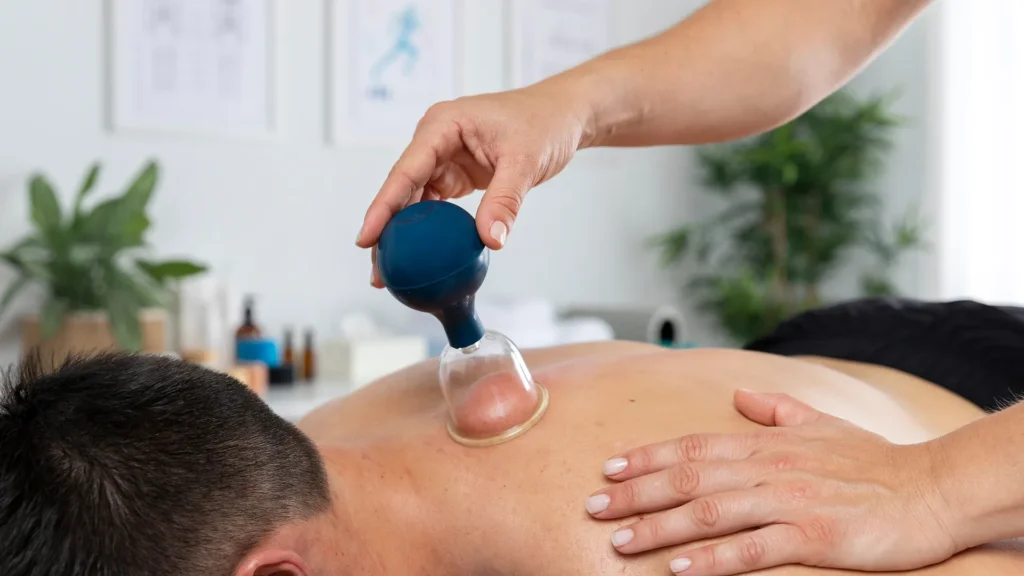
Practitioners use various methods to create suction. Glass cups with fire are traditional. Modern silicone or plastic cups with pumps offer alternatives.
The vacuum pulls skin and superficial muscle upward. Blood vessels expand in response. Fresh, oxygenated blood rushes to the area.
Physiological Effects
Dry cupping therapy significantly increases local blood circulation. Stagnant blood and cellular debris get mobilised. Fascia and connective tissue loosen under suction.
The body interprets cupping as mild trauma. This triggers anti-inflammatory responses naturally. Pain signals may be reduced through various mechanisms.
Types of Dry Cupping Techniques
Different dry cupping methods serve various purposes. Each approach offers unique therapeutic benefits. Practitioners choose based on individual needs.
Stationary Dry Cupping
Cups remain fixed in one position. They stay in place for 5-15 minutes. This method targets specific tight areas effectively.
Multiple cups can be applied simultaneously. Treatment areas might include the back, shoulders, or legs. The technique is deeply relaxing for most people.
Sliding or Massage Cupping
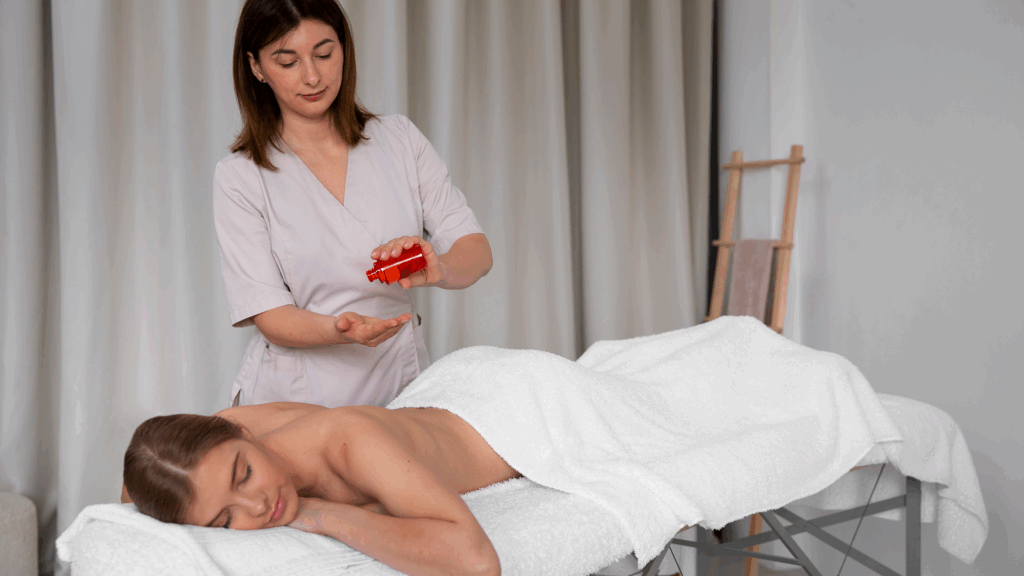
Oil is applied to the skin first. Cups glide smoothly across muscle groups. This combines cupping benefits with massage effects.
The sliding motion releases larger areas. Fascial adhesions break up more effectively. Many find this technique particularly therapeutic.
Benefits of Dry Cupping Therapy
Research supports numerous dry cupping benefits. Both traditional claims and modern studies align. People report significant improvements across conditions.
Pain Relief
Dry cupping therapy excels at reducing pain. Muscle aches and tension respond particularly well. Chronic pain conditions show improvement with regular treatment.
Back pain decreases in many patients. Neck and shoulder tension are released effectively. Joint pain may also diminish over time.
Studies demonstrate measurable pain reduction. Effects can last weeks after treatment. Many reduce reliance on pain medications.
Enhanced Athletic Recovery
Athletes increasingly use dry cupping therapy. Post-workout recovery accelerates noticeably. Muscle soreness decreases faster than normal.
Professional sports teams employ cupping specialists. Olympic athletes display cupping marks proudly. The competitive advantage is well-recognised.
Stress Reduction
The treatment activates the parasympathetic nervous system. Stress hormones decrease during sessions. Deep relaxation occurs naturally.
Mental clarity often improves afterwards. Sleep quality may be enhanced significantly. Anxiety levels can drop with regular treatment.
Improved Mobility
Stiff joints and restricted movement improve. The range of motion typically increases. Flexibility gains occur over treatment series.
Adhesions in fascia release under suction. Muscle fibres regain proper alignment. Movement becomes easier and more fluid.
The Dry Cupping Treatment Process
Knowing what to expect reduces anxiety. Sessions follow a predictable pattern. The experience is generally comfortable throughout.
Initial Consultation
Practitioners assess your health history thoroughly. Treatment goals are established clearly. The therapist explains the process completely.
During the Session
You’ll lie comfortably on a padded table. Cups are then applied strategically. A pulling sensation develops immediately.
The feeling is unusual but not painful. Sessions typically last 20-45 minutes. Cups remain in place for 5-15 minutes each.
Post-Treatment Experience
Circular marks appear where cups were placed. These aren’t bruises in the traditional sense. Some people feel immediate relief.
Hydration is important after treatment. Mild soreness is possible for 24 hours. This is normal and temporary.
Dry Cupping vs. Wet Cupping
Understanding the differences helps with treatment choice. The key distinction involves bloodletting. Dry cupping therapy involves no incisions.
Wet cupping includes controlled bleeding. Small cuts are made before cupping. Dry cupping suits most people well and is less invasive.
Most Western practitioners offer dry cupping only. It’s considered safer for general use. Therapeutic benefits are comparable for most conditions.
Safety and Side Effects
Dry cupping therapy is generally very safe. Proper technique minimises risk significantly. Understanding potential effects helps with preparation.
Common Side Effects
The circular marks are most noticeable. They fade within 3-10 days naturally. Temporary soreness can occur in treated areas.
Mild dizziness sometimes occurs after treatment. Drinking water helps tremendously. Rare bruising may happen with excessive suction.
Who Should Avoid Dry Cupping
Pregnant women should skip cupping treatments. People with bleeding disorders need medical clearance. Blood thinner users require a doctor’s approval.
Active skin conditions contraindicate cupping. Recent surgery patients should wait. Communication with practitioners is essential.
Maximising Your Results
Getting the most from dry cupping therapy requires preparation. Certain practices enhance benefits significantly. Follow-through matters for lasting results.
Before Treatment
Arrive well-hydrated for your appointment. Avoid alcohol for 24 hours prior. Wear loose, comfortable clothing to sessions.
After Treatment
Drink plenty of water post-treatment. Avoid caffeine immediately after sessions. Skip intense workouts for 24 hours.
Keep treated areas warm and covered. Avoid extreme temperatures for a day. Gentle movement, like walking, is beneficial.
Treatment Frequency
Most people start with weekly sessions. Frequency adjusts based on response. Acute issues might resolve in 3-5 sessions.
FAQs
How Does Dry Cupping Therapy Differ From Massage?
Dry cupping therapy uses negative pressure to lift tissues. Massage uses positive pressure to compress them. The effects complement each other well.
Cupping reaches deeper fascial layers effectively. Massage works surface to moderately deep. Many therapists combine both approaches.
Are the Marks From Dry Cupping Permanent?
The marks are completely temporary. They fade naturally within days. No permanent discolouration occurs.
Regular treatment often produces lighter marks. This indicates improved circulation. First-time marks are typically darkest.
Can Dry Cupping Therapy Help With Cellulite?
Some people report cellulite improvement. The increased circulation may help. Lymphatic drainage can reduce fluid retention.
Results vary significantly between individuals. It’s not a proven cellulite treatment. Realistic expectations are important.
Is Dry Cupping Therapy Painful?
The treatment should not hurt. Most people find it comfortable. The sensation is pulling, not painful.
If pain occurs, the suction is too strong. Therapists adjust pressure immediately. Communication ensures comfort throughout.
Ready to experience the powerful benefits of dry cupping therapy? This ancient technique offers modern solutions for pain, stress, and recovery. Professional treatment ensures safe, effective results.
Serenova Wellness specialises in dry cupping therapy for various conditions. Experienced practitioners customise each session for optimal outcomes. Whether addressing chronic pain, athletic recovery, or general wellness, expert care makes the difference.Book your dry cupping therapy session at Serenova Wellness today. Discover natural healing through this time-tested approach. Experience professional cupping in a relaxing, supportive environment.