Trying to conceive can feel like an emotional marathon. Every negative test, every delayed period, every well-meaning question from relatives. It’s exhausting, isn’t it?
Many couples are now turning to acupuncture alongside their fertility journey. And it’s not just about relaxation or “alternative therapy” anymore. There’s real science showing how those tiny needles might actually help.
Let’s explore what’s really happening when acupuncture meets fertility treatment. No fluff, just honest information to help you decide.
What Is Acupuncture for Fertility?
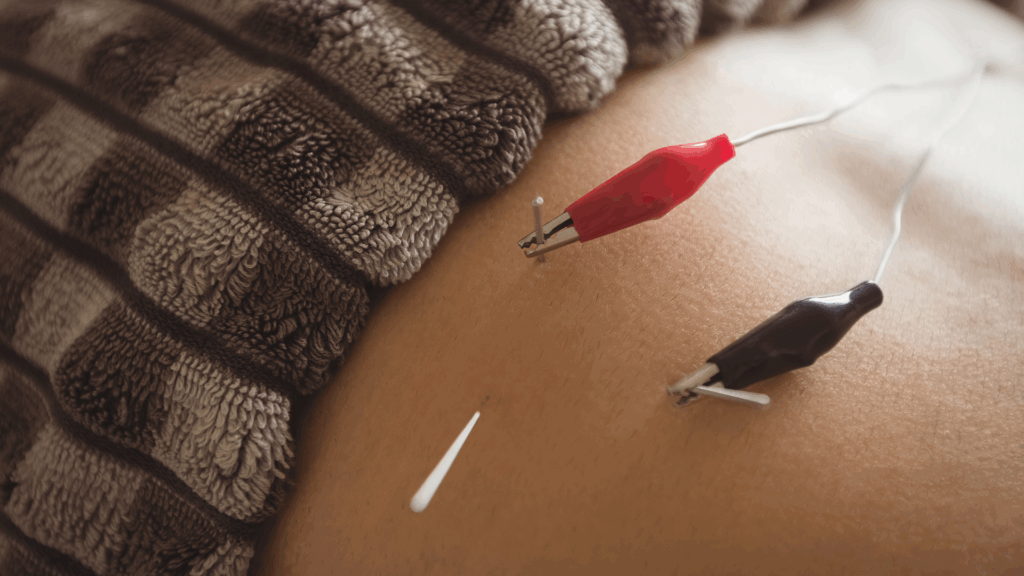
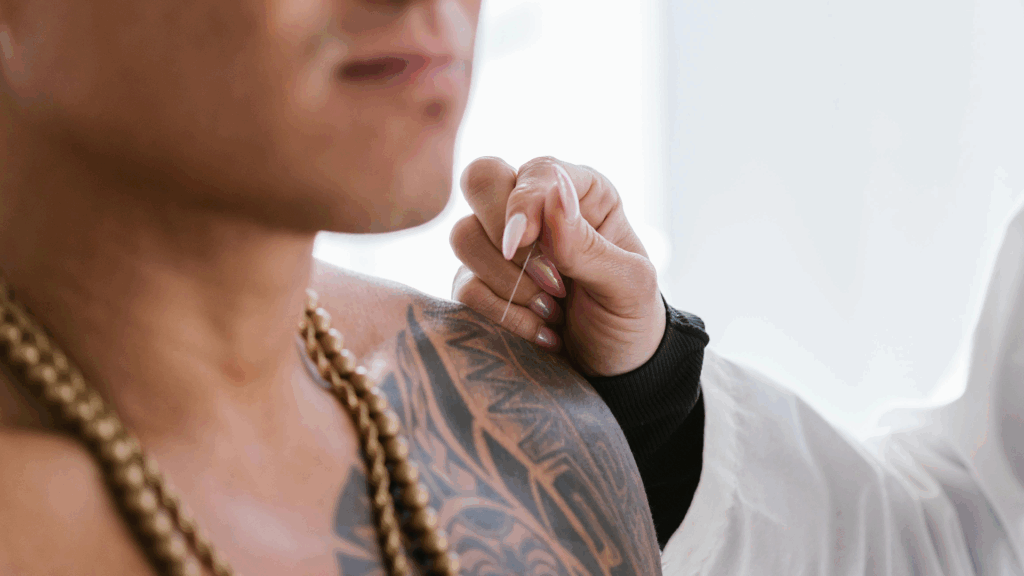
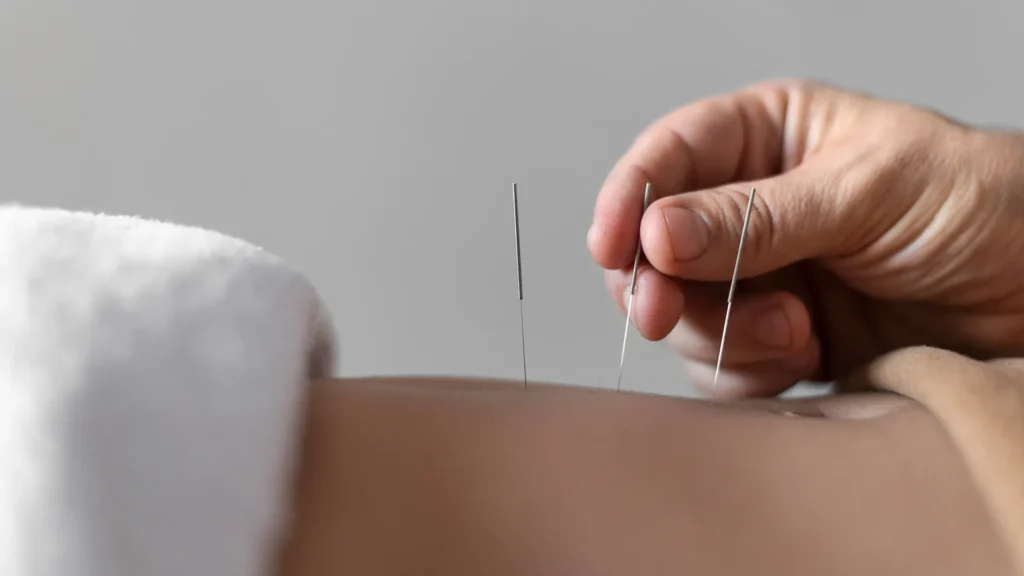
Picture this: hair-thin needles gently inserted into specific points on your body. Sounds intimidating, but most people barely feel them. The practice comes from ancient China, though modern fertility acupuncture is all about results.
Today’s practitioners blend traditional wisdom with current research. They target points that influence your reproductive hormones and blood flow. The needles are so fine, they’re nothing like the injections you might already be doing.
The Science Behind Fertility Acupuncture
Here’s what researchers have discovered about how acupuncture actually works. Blood flow to your ovaries and uterus increases noticeably during treatment. That means more nutrients reaching exactly where they’re needed.
Your nervous system releases feel-good chemicals called endorphins. At the same time, stress hormones like cortisol drop. It’s like giving your body permission to relax and focus on baby-making.
There’s also something called the hypothalamic-pituitary-ovarian axis. Fancy name, but it’s basically your hormone control centre. Acupuncture helps regulate it, leading to better egg quality and more regular cycles.
How Acupuncture Enhances Reproductive Health
Regulating Hormones Naturally
Hormonal balance is crucial when you’re trying to conceive. Acupuncture helps normalise follicle-stimulating hormone (FSH) levels. High FSH often signals diminished ovarian reserve, so this matters.
Luteinising hormone (LH) also responds to treatment. Too much LH can prevent eggs from developing properly. Studies show acupuncture brings LH down in women with hormonal imbalances.
Testosterone levels decrease with regular sessions, too. This particularly helps women with polycystic ovary syndrome. Lower androgens mean better ovulation rates and more regular periods.
Improving Blood Flow to Reproductive Organs
Better circulation makes a real difference to fertility outcomes. Acupuncture dilates blood vessels to your uterus and ovaries. More blood flow means better nutrient delivery and waste removal.
Your uterine lining benefits enormously from increased circulation. A thick, healthy endometrium gives embryos the best chance of implanting. Improved ovarian blood flow also helps you respond better to fertility medications.
Research shows measurable changes in uterine artery resistance after acupuncture. Lower resistance means better flow. These improvements create ideal conditions for pregnancy.
Reducing Stress and Anxiety
Let’s be honest: fertility struggles are emotionally draining. Stress hormones can actually interfere with your reproductive function. Acupuncture activates your parasympathetic nervous system, promoting deep relaxation.
The treatment triggers endorphin release throughout your body. Many people describe feeling “acu-stoned” afterwards. This relaxed state helps manage the emotional rollercoaster of fertility treatment.
Lower stress levels are linked to improved pregnancy rates. Women report feeling more in control during their fertility journey. Mental wellbeing supports physical reproductive health in powerful ways.
Acupuncture for Specific Fertility Challenges
Polycystic Ovary Syndrome (PCOS)
PCOS affects up to 10% of women of reproductive age. It causes hormonal imbalances and irregular ovulation. If you’ve got PCOS, acupuncture offers targeted support.
Studies show acupuncture significantly improves ovulation rates in PCOS patients. One trial found 78% ovulation rates with acupuncture versus 50% without. Pregnancy rates also increased notably.
Regular sessions reduce testosterone levels in women with PCOS. Acupuncture also improves insulin sensitivity. Better glucose metabolism helps restore hormonal balance naturally.
Menstrual cycles become more regular with consistent treatment. You’ll experience fewer cycles where you don’t ovulate. These improvements enhance your chances of conceiving naturally.
Supporting IVF and IUI Treatments
Acupuncture complements assisted reproductive technology beautifully. Many fertility clinics now recommend it alongside IVF. Timing and frequency of sessions matter significantly.
Research shows the most benefit comes from multiple sessions. Women receiving 13-15 treatments had double the success rates. Those with just two sessions showed only modest improvements.
Starting acupuncture during the suppression phase yields best results. Continuing through stimulation enhances your medication response. Sessions before and after embryo transfer support implantation directly.
One study found 30% higher live birth rates with acupuncture. The protocol involved treatments throughout the entire IVF cycle. Acupuncture also reduces side effects from fertility medications significantly.
Addressing Endometriosis and Egg Quality
Endometriosis creates painful inflammation that affects fertility. Acupuncture helps manage both the pain and reproductive challenges. The anti-inflammatory effects support healing throughout your body.
Improved blood flow helps reduce endometrial tissue buildup. Pain levels decrease with regular treatment sessions. Many women report better quality of life alongside fertility benefits.
Egg quality naturally declines with age. Acupuncture supports the 90-day egg development cycle. Starting treatment three months before trying to conceive optimises results.
Enhanced ovarian blood flow delivers vital nutrients to developing eggs. Reduced oxidative stress protects egg DNA integrity. Research shows improved embryo quality in women receiving acupuncture.
Male Fertility and Acupuncture
Male factors contribute to 40% of infertility cases. Acupuncture benefits men’s reproductive health significantly too. Sperm count, motility, and morphology all improve with treatment.
Studies demonstrate measurable increases in sperm parameters. Testosterone levels normalise in men with hormonal imbalances. Better circulation to the testes supports sperm production.
The stress-reducing effects benefit men just as much. Lower cortisol levels support healthier sperm development. Many couples pursue acupuncture together for optimal results.
Weekly treatments for 8-12 weeks show significant improvements. The sperm development cycle takes about 74 days. Combining acupuncture with lifestyle changes amplifies benefits considerably.
What to Expect During Treatment
Your First Session and Treatment Plans
Initial consultations typically last 60-90 minutes. Your practitioner will review your medical history, test results, and lifestyle thoroughly. Questions about diet, sleep, and stress levels provide important context.
Physical assessments include tongue observation and pulse reading. These traditional methods guide your treatment planning. A customised protocol emerges based on your individual needs.
Most fertility patients attend weekly or twice-weekly sessions. Treatment plans typically span 3-6 months minimum. This timeline aligns with egg and sperm development cycles.
Sessions last 30-45 minutes on average. Most people feel minimal discomfort from needle insertion. Relaxation often happens within 5-10 minutes of treatment starting.
Consistency matters more than intensity for fertility acupuncture. Regular sessions maintain hormonal balance and blood flow improvements. Missing appointments can delay your progress.
Combining With Other Therapies
Acupuncture works well alongside conventional fertility treatments. Most reproductive endocrinologists support complementary approaches. Communication between your healthcare providers enhances coordinated care.
Herbal medicine often complements acupuncture protocols effectively. Chinese herbs address specific fertility imbalances naturally. Always inform all your healthcare providers about supplements and medications.
Lifestyle modifications amplify acupuncture’s effectiveness dramatically. Nutrition, exercise, and stress management create powerful synergy. A holistic approach yields the best possible results.
Treatment Timelines and Safety
Beginning treatment before trying to conceive offers maximum benefit. The 90-day preparation period optimises egg and sperm quality. Earlier intervention creates a stronger foundation.
Women already undergoing fertility treatments can start anytime. Even beginning during an IVF cycle shows measurable benefits. However, earlier treatment provides more comprehensive support.
Those with chronic conditions like PCOS or endometriosis need longer timelines. Six months to a year of treatment may be necessary. Patience and consistency prove essential for complex cases.
Acupuncture has an excellent safety record when performed properly. Licensed practitioners use sterile, single-use needles exclusively. Infection risk remains extremely low with proper techniques.
Minor side effects occasionally happen but are generally mild. Slight bruising at needle sites occurs sometimes. Temporary fatigue or mild dizziness may follow treatment.
Look for practitioners with fertility-specific training and certification. Fellowship in the American Board of Oriental Medicine demonstrates expertise. Experience treating fertility patients matters significantly.
Integration with conventional medical care indicates quality practice. The best acupuncturists maintain relationships with fertility clinics. Collaborative care provides comprehensive support throughout your journey.
FAQs
How many acupuncture sessions are needed for fertility?
Most practitioners recommend weekly sessions for at least 3 months. This timeline aligns with your natural egg development cycle. Research suggests 13-15 sessions provide optimal IVF support.
Does acupuncture hurt?
The needles are extremely thin, much finer than injection needles. Most people feel minimal discomfort during insertion. Many patients actually fall asleep during treatment sessions.
Can acupuncture help with recurrent miscarriage?
Research suggests acupuncture may reduce miscarriage rates. Improved blood flow supports healthy placental development. However, medical evaluation for recurrent loss remains essential.
When should I continue acupuncture during pregnancy?
Many women continue maternity acupuncture throughout pregnancy. First trimester treatments help prevent miscarriage and reduce nausea. Always inform your acupuncturist immediately upon confirming pregnancy.
Taking the Next Step
Acupuncture offers evidence-based support for fertility challenges. The treatment addresses multiple factors affecting conception simultaneously. Benefits extend to your physical, emotional, and mental well-being.
Whether you’re pursuing natural conception or assisted reproduction, acupuncture provides valuable support. The key lies in finding experienced practitioners and committing to consistent treatment. With patience and proper care, many couples achieve their parenthood goals.
Serenova Wellness specialises in acupuncture for fertility and reproductive health. Treatment plans are customised to address your individual needs and circumstances. Whether preparing for conception, supporting IVF, or managing conditions like PCOS, Serenova offers comprehensive care.The team works collaboratively with fertility specialists to provide integrated support. Sessions focus on optimising reproductive health whilst reducing stress. Ready to explore how acupuncture can support your fertility goals? Contact Serenova Wellness to schedule a consultation and begin your journey towards parenthood.