Chronic pain affects over 20% of adults worldwide. Many patients struggle with medication side effects or diminishing effectiveness. Others seek alternatives to invasive procedures.
Acupuncture for pain relief has emerged as a clinically validated approach. This evidence-based treatment addresses pain at its neurological source. Unlike symptomatic treatments, acupuncture targets underlying mechanisms.
Consistent clinical outcomes show meaningful improvements when patients understand how the therapy works and what realistic results to expect.
The Science Behind Acupuncture: Understanding the Mechanism
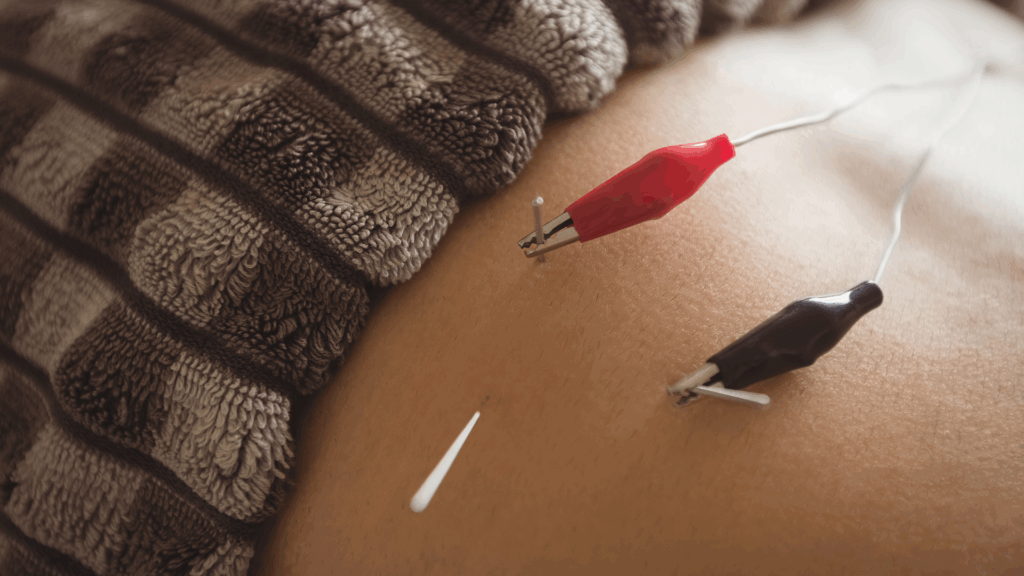
Acupuncture involves inserting thin needles into specific body points. These points lie along energy pathways called meridians. Modern research shows the treatment triggers pain-relieving responses and improves blood flow.
Needle stimulation activates specific nerve fibres that send signals to the brain, initiating physiological changes that help regulate pain.
Neurological Pathways: How Acupuncture Modulates Pain Signals
The needles stimulate the nervous system and release natural painkillers such as endorphins. Blood circulation increases to affected areas, supporting tissue repair. Research also indicates reduced inflammation.
Sessions mostly last 30 to 60 minutes. Most patients require 6 to 12 sessions for optimal results. Relief often begins after 3 to 4 treatments.
Clinical Application: Treating Lower Back Pain with Acupuncture
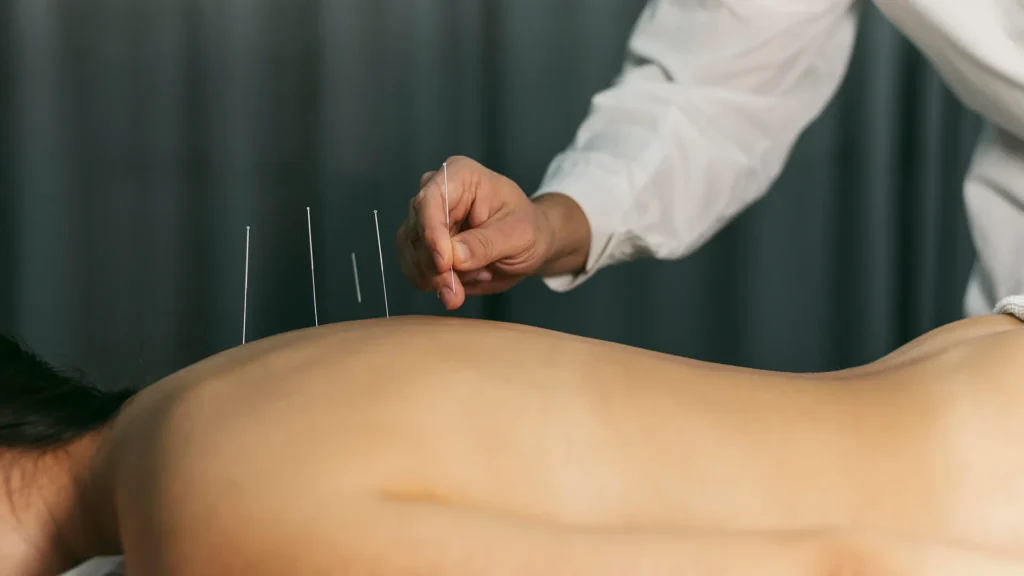
Back pain is one of the most common reasons people seek acupuncture. Treatment focuses on specific points along the spine, with needles placed in the lower back, hips, and legs.
Acupuncture for back pain in Studley helps many patients reduce medication reliance. Studies show 60–70% experience significant improvement. Results typically appear within 4 to 6 weeks.
The treatment is particularly effective for chronic lower back pain. Early relief may occur within the first few sessions, with full benefits developing over 8 to 10 treatments.
Sciatica Treatment Protocol: Addressing Nerve Pain
Sciatica causes shooting pain down your leg. The sciatic nerve runs from lower back to feet. Inflammation or compression triggers intense discomfort.
Treatment targets pressure points along the nerve pathway to reduce inflammation and muscle tightness. Acupuncture for sciatica in Studley provides non-surgical relief for many patients.
Clinical outcomes show average pain reductions of 40–60%. Improvement is often noticeable within 2 to 3 weeks. Most patients benefit from 8 to 12 sessions.
Managing Chronic Headaches: A Targeted Approach
Chronic headaches can significantly disrupt daily life. Tension headaches and migraines respond particularly well to acupuncture because treatment addresses underlying triggers rather than only symptoms.
Needles are placed on the head, neck, shoulders, and occasionally the hands and feet. Acupuncture for chronic headache in Studley offers an option for individuals who have not responded well to medication.
Patients commonly report a 50–60% reduction in headache frequency. Treatment generally requires 10 to 15 sessions, with noticeable improvements after 4 to 5 visits.
If persistent headaches are affecting daily life, booking a consultation can help determine suitable treatment options.
Your First Session: What Happens During Treatment
The first visit includes a detailed health assessment and review of symptoms and medical history. Patients lie comfortably on a treatment table while needles are inserted at specific points.
Most people experience minimal discomfort. The needles remain in place for 20 to 40 minutes.
Common sensations include tingling, warmth, or heaviness. Normal activities can typically resume immediately afterward. Some individuals feel relaxed, while others feel energized.
Treatment Progression: Expected Timeline for Results
- Week 1–2: Initial assessment and early treatments begin. Mild improvements or temporary soreness may occur.
- Week 3–6: Pain reduction becomes more noticeable. Sessions are often scheduled twice weekly.
- Week 7–12: Significant relief develops for many patients. Frequency usually reduces to once weekly.
- Maintenance: Monthly sessions may help sustain long-term results. Outcomes vary depending on condition severity.
Safety Profile and Clinical Limitations
Acupuncture is generally very safe when performed by trained professionals. Minor bruising or soreness may occur at needle sites and typically resolves within 24 to 48 hours.
Serious complications are rare. Sterile, single-use needles minimise infection risk. Choosing qualified, licensed practitioners is essential.
It is important to note that acupuncture is not effective for everyone. Approximately 20–30% of patients experience minimal improvement. Structural conditions such as herniated discs may require surgical or medical intervention.
Costs typically range from £40 to £80 per session. Insurance coverage may be limited, so checking policy details beforehand is recommended.
Accessing Quality Acupuncture Care in Studley
Finding experienced practitioners is crucial. Acupuncture for back pain and related conditions requires specialised training and certification.
Studley residents have access to qualified specialists. Visit Serenova Wellness in Studley to explore whether acupuncture fits your treatment plan. Initial consultations help determine suitability.
Patient Selection: Determining Candidacy for Acupuncture
Acupuncture may be appropriate when medications are not providing sufficient relief or when patients prefer to avoid surgery.
Ideal candidates typically have chronic pain lasting longer than three months and are willing to commit to multiple sessions. Realistic expectations about gradual improvement are important.
Treatment may not be suitable for individuals with bleeding disorders. Pregnant patients should inform practitioners in advance. Speaking with a specialist can clarify whether acupuncture is appropriate for a specific condition.
Professional Guidance: Making an Informed Treatment Decision
Acupuncture offers measurable benefits for many pain-related conditions when delivered by qualified professionals. Outcomes depend on practitioner expertise, treatment consistency, and patient commitment.
Researching credentials and discussing expectations beforehand supports better results. Many patients find the investment worthwhile after completing a full course of treatment.
Frequently Asked Questions
Does acupuncture hurt?
Most people feel minimal discomfort during needle insertion. Mild tingling or dull aching may occur briefly. The needles are much thinner than injection needles, and sessions are generally relaxing.
How many sessions are needed for pain relief?
Initial relief often appears after 3 to 4 sessions. Most conditions require 8 to 12 treatments, while chronic pain may need 15 or more. Treatment plans are personalised and adjusted based on progress.
Can acupuncture be combined with medications?
Yes, acupuncture is generally safe alongside most medications. Some patients reduce medication use over time under medical supervision. Always inform healthcare providers about all treatments.
How long do the effects last?
Early benefits may last a few days. After 6 to 8 sessions, relief typically becomes longer-lasting. Maintenance sessions can extend results. Lifestyle factors such as exercise and stress management also influence outcomes.Ready to explore natural pain relief options? Book a consultation at Serenova Wellness to discuss whether acupuncture is right for you.